Top 10 Cutest Dog Breeds in the World – With High-Quality Images
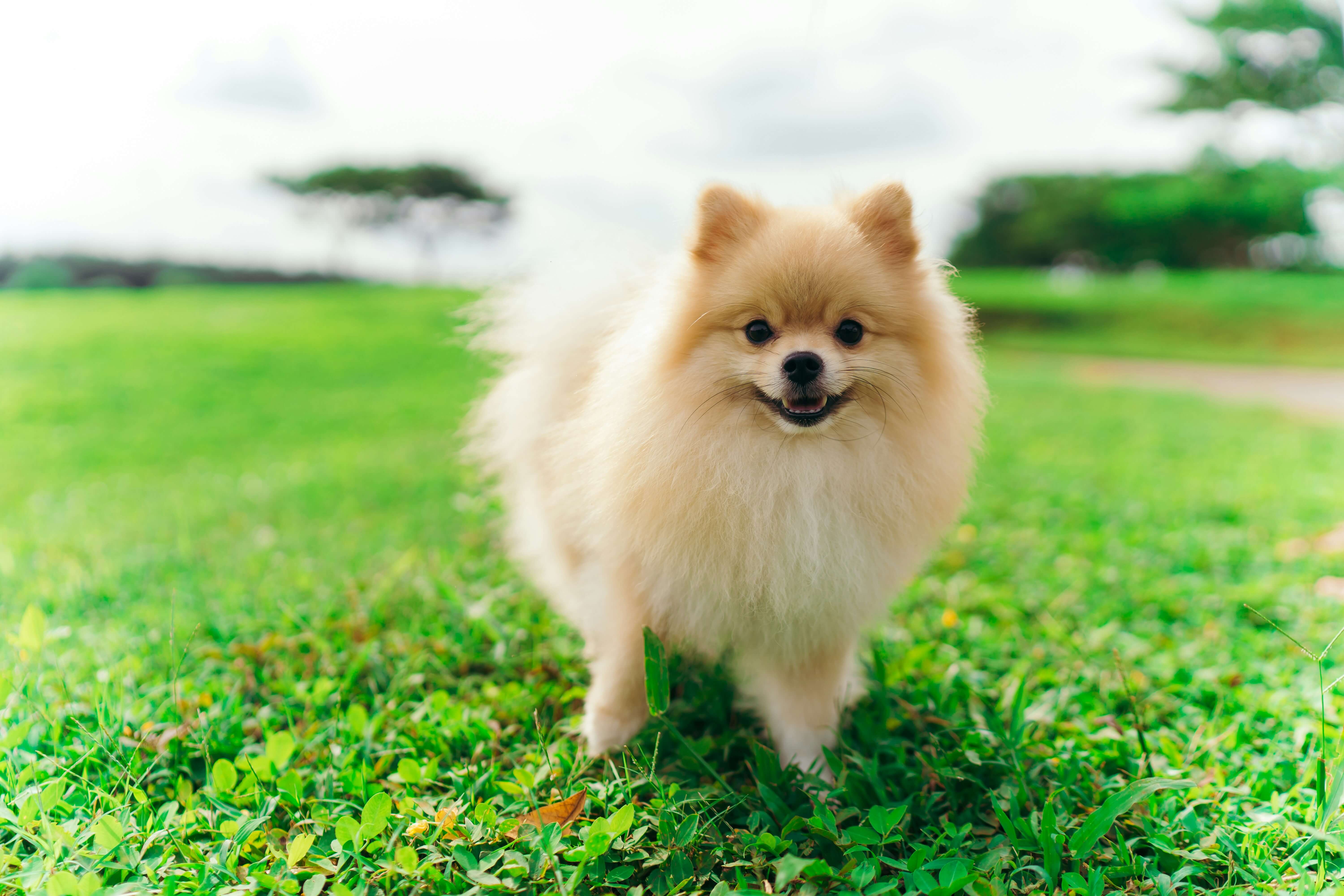
I'll never forget the first time I saw a Pomeranian puppy at the dog park. This tiny ball of fluff trotted over with such confidence and charm that everyone stopped to watch. That's the power of cuteness - it transcends logic and goes straight to the heart. Some dog breeds are just scientifically, objectively adorable, and I'm here to celebrate them.
This comprehensive guide showcases the 10 cutest dog breeds in the world with stunning high-quality images. You'll learn what makes each breed irresistibly adorable, their temperament and care requirements, and whether their cuteness comes with any challenges. Because let's be honest - just because a dog is cute doesn't automatically make them the right fit for your lifestyle.
Quick Overview: World's Cutest Dog Breeds
- Cuteness factors: fluffy coats, expressive eyes, small size, unique features
- Pomeranians, Corgis, and Samoyeds top cuteness rankings
- Many cute breeds require significant grooming maintenance
- Small size doesn't always mean low exercise needs
- Brachycephalic (flat-faced) breeds have health considerations
- Cute breeds are often more expensive to purchase and maintain
- Temperament varies widely among cute breeds
- Right breed depends on lifestyle, not just appearance
What Makes a Dog Breed Cute?
Cuteness isn't random. There's actual science behind why we find certain dogs irresistible. Researchers have identified specific features that trigger our nurturing instincts:
- Large eyes relative to head size: Big, expressive eyes activate the same brain regions as when we see human babies
- Round faces and short snouts: Baby-like proportions trigger protective feelings
- Soft, fluffy coats: Texture that begs to be touched
- Small, compact bodies: Easier to cuddle and carry
- Playful, energetic movements: Bouncy, happy behavior increases perceived cuteness
- Unique physical features: Distinctive traits like curly tails, floppy ears, or unusual coloring
The breeds on this list possess multiple cuteness factors that make them universally adored. Let's dive into each one.
Cuteness Factors: What Makes These Breeds Irresistible
Based on canine behavioral research and public surveys
Soft, touchable coats trigger nurturing response
Large eyes relative to head size increase cuteness
Small, cuddly size enhances adorability factor
Happy, bouncy behavior increases perceived cuteness
Based on veterinary case studies and clinical research
Top 10 Cutest Dog Breeds (Ranked)
1. Pomeranian
Pomeranians are walking teddy bears. Their fluffy double coat, fox-like face, and tiny size (3-7 pounds) make them one of the most photogenic breeds. They come in more colors than almost any other breed - orange, black, white, cream, and parti-color combinations.
Temperament: Bold, confident, and energetic. Poms have big personalities in small bodies. They're loyal, playful, and sometimes yappy. They make excellent companions but need early socialization to prevent excessive barking.
Care requirements: That gorgeous coat needs brushing 2-3 times weekly to prevent mats. Professional grooming every 4-6 weeks. Despite their small size, Pomeranians are active and need daily walks and playtime. They're surprisingly trainable and excel in obedience and tricks.
2. Pembroke Welsh Corgi
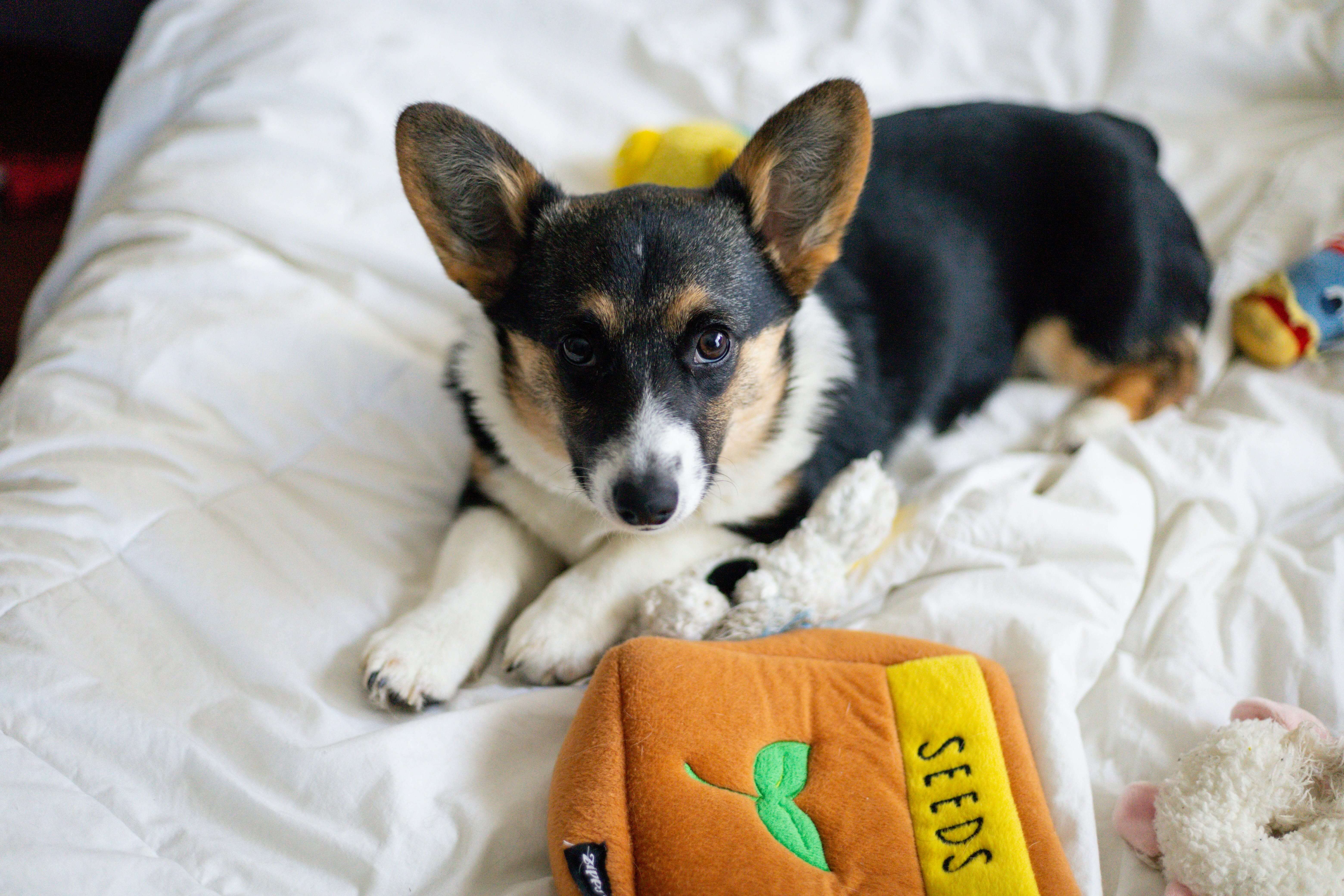
Corgis have achieved internet fame for good reason. Their short legs, long bodies, big ears, and perpetual smiles create an irresistibly cute package. That fluffy butt doesn't hurt either. Corgis look like they're smiling all the time, which enhances their appeal.
Temperament: Smart, affectionate, and surprisingly athletic. Originally bred to herd cattle, Corgis are intelligent working dogs. They're friendly with family but can be reserved with strangers. They have strong herding instincts and may try to herd children or other pets.
Care requirements: Moderate grooming needs - weekly brushing, more during shedding seasons. They shed heavily twice a year. Corgis need significant exercise (60+ minutes daily) despite their short legs. They're prone to back problems, so avoid letting them jump from heights or climb excessive stairs.
Pro Tip: Cute breeds often have specific care requirements and costs. Use our dog breed selector tool to understand grooming needs, exercise requirements, and temperament before falling for a cute face. The right breed matches your lifestyle, not just your aesthetic preferences.
3. Samoyed
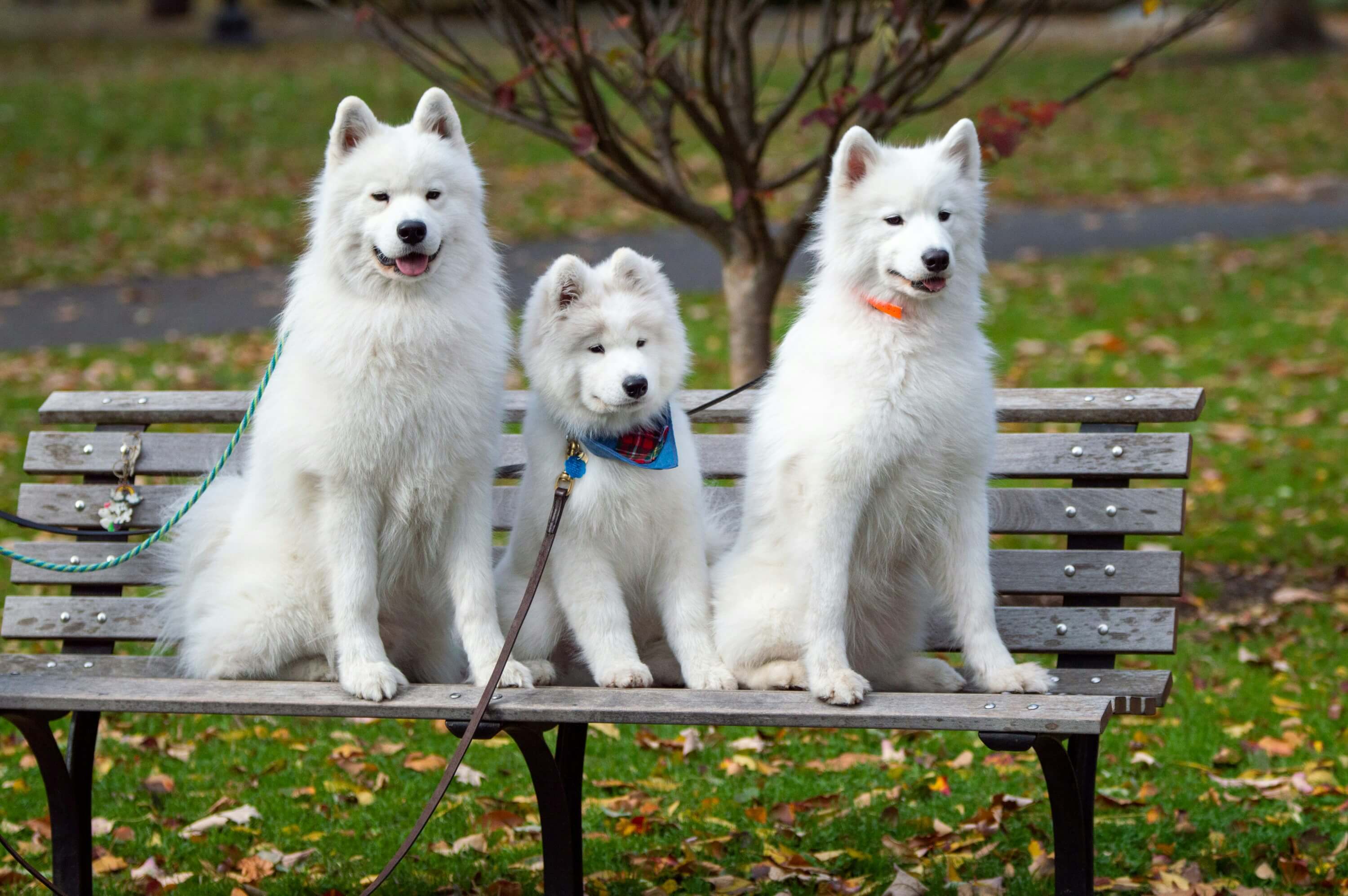
Samoyeds are cloud dogs. Their thick, white, fluffy coat and famous "Sammy smile" make them look like they walked out of a fairytale. That upturned mouth isn't just for show - it actually prevents drooling and icicle formation in their native Arctic environment.
Temperament: Gentle, friendly, and social. Samoyeds are excellent family dogs who love everyone. They're playful, patient with children, and generally good with other pets. However, they can be stubborn and independent, requiring consistent training.
Care requirements: Extensive grooming. That beautiful coat sheds heavily and needs daily brushing, with professional grooming every 6-8 weeks. Samoyeds are active dogs needing 60+ minutes of daily exercise. They don't do well in hot climates due to their thick coat. Budget significantly for grooming costs.
Cute Breed Characteristics Comparison
| Breed | Size | Grooming Needs | Exercise Level | Best For |
|---|---|---|---|---|
| Pomeranian | 3-7 lbs | High (2-3x/week) | Moderate | Apartments, Companions |
| Corgi | 25-30 lbs | Moderate (Weekly) | High (60+ min) | Active Families |
| Samoyed | 50-60 lbs | Very High (Daily) | High (60+ min) | Cold Climates |
| Golden Retriever | 55-75 lbs | Moderate-High | High (60+ min) | Families, First-time |
| Shiba Inu | 17-23 lbs | Moderate (Weekly) | Moderate | Experienced Owners |
4. Golden Retriever
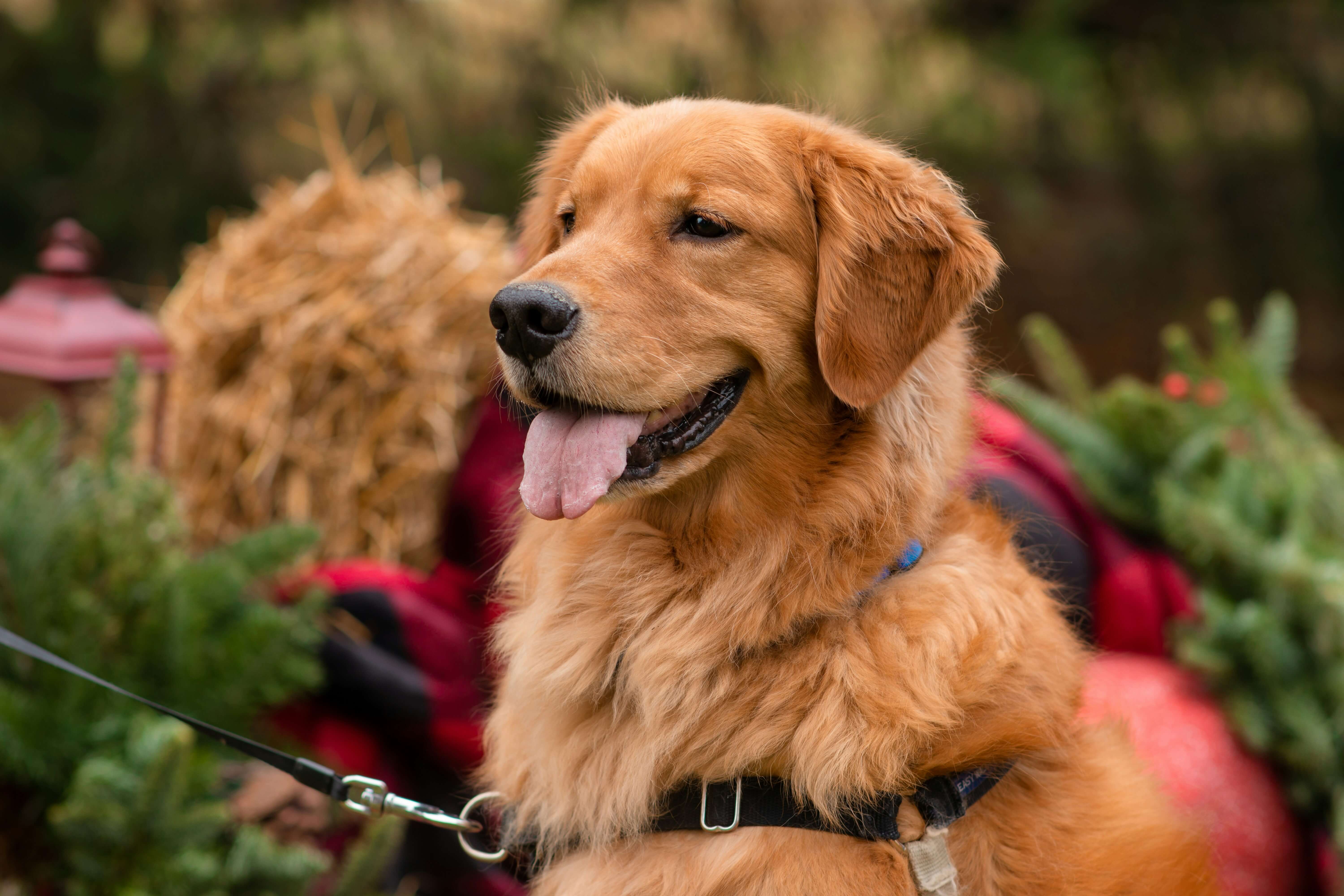
Golden Retrievers combine beauty with warmth. Their luxurious golden coat, gentle eyes, and perpetual happiness make them universally beloved. Goldens always look like they're smiling, especially when carrying something in their mouth (which is constantly, because retrievers gonna retrieve).
Temperament: Friendly, patient, and eager to please. Goldens are famously gentle and excellent with children. They're social butterflies who love everyone - not ideal guard dogs but perfect family companions. They remain playful and puppy-like well into adulthood.
Care requirements: Moderate to high grooming needs. Weekly brushing minimum, daily during shedding seasons. They need significant exercise (60+ minutes daily) and mental stimulation. Goldens are prone to obesity, so diet management is important. They're highly trainable and excel in obedience, making them popular service dogs.
5. Shiba Inu
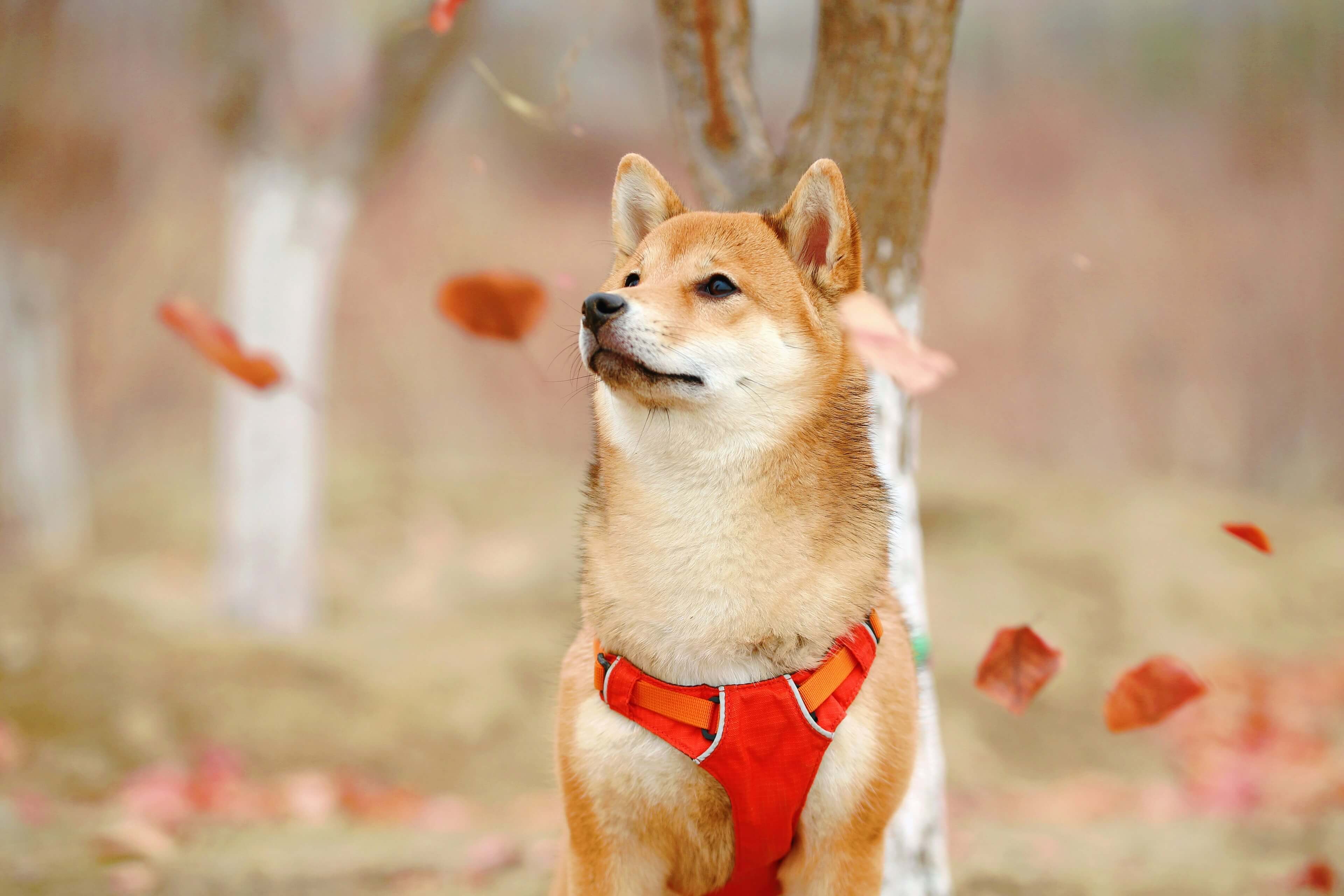
Shiba Inus are internet sensations for a reason. Their fox-like appearance, curly tail, and expressive faces make them incredibly photogenic. The classic red and white coloring is stunning, and their compact, muscular build is aesthetically perfect. Plus, the famous "Shiba scream" adds to their unique charm.
Temperament: Independent, confident, and cat-like. Shibas are clean, intelligent, and somewhat aloof. They're loyal to their families but not overly affectionate. They can be stubborn and challenging to train, requiring experienced owners who respect their independent nature.
Care requirements: Moderate grooming - weekly brushing, heavy shedding twice yearly. Shibas need daily exercise but are more manageable than high-energy breeds. They have strong prey drives and should be kept on leash or in fenced areas. Early socialization is crucial to prevent aggression toward other dogs.
Pro Tip: Active cute breeds need proper exercise for health and behavior. Use our dog exercise calculator to determine daily activity requirements for your chosen breed. An under-exercised dog, no matter how cute, becomes a behavioral problem.
6. Pug
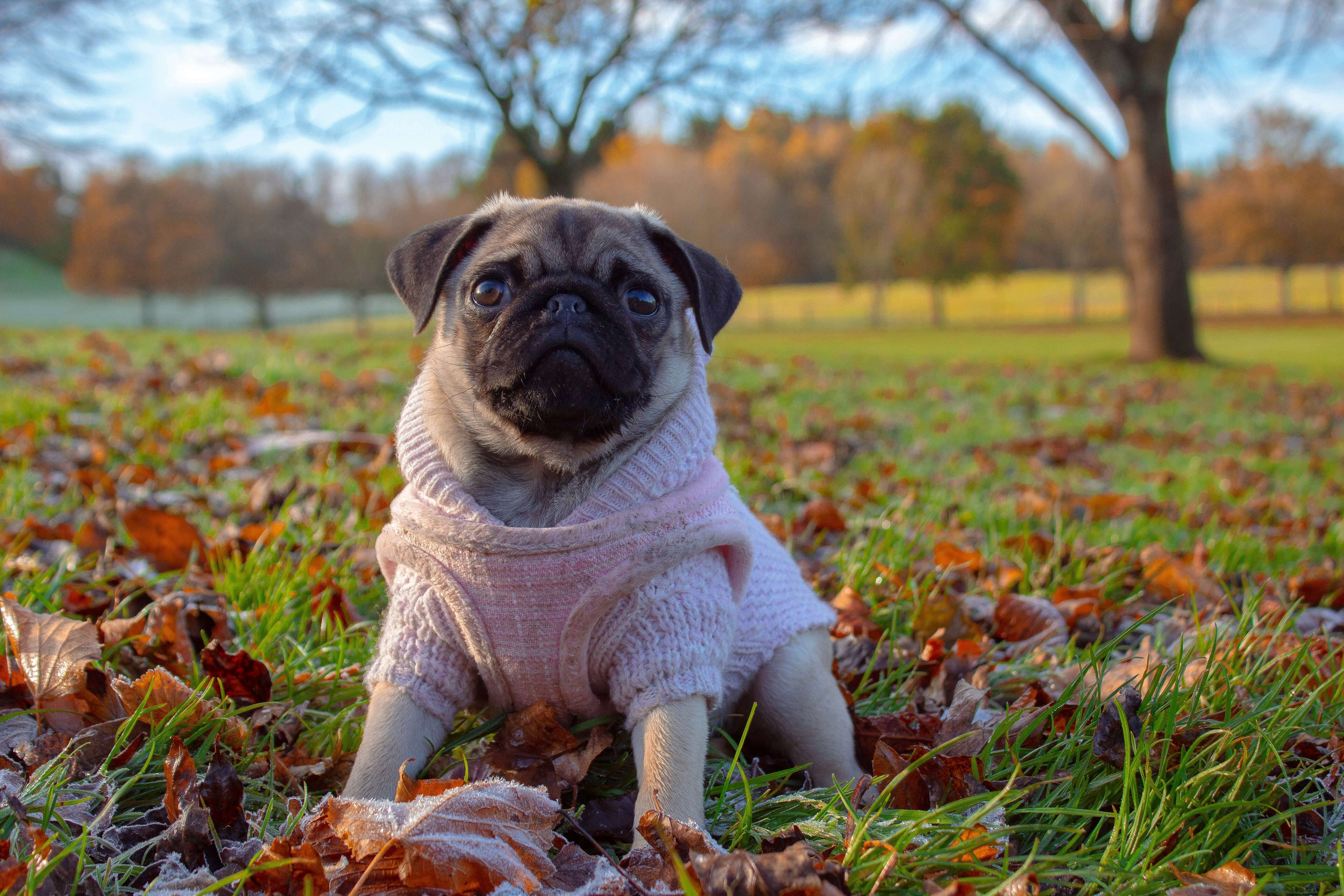
Pugs are comedy gold wrapped in a compact, wrinkly package. Their flat faces, big eyes, curly tails, and snorting sounds make them endlessly entertaining. The Latin phrase "multum in parvo" (much in little) perfectly describes Pugs - big personality in a small body.
Temperament: Charming, playful, and affectionate. Pugs are clowns who love making people laugh. They're excellent with children and other pets. They want to be with their people constantly and don't do well when left alone for long periods. Less active than many breeds, they're happy being couch potatoes.
Care requirements: Low grooming needs but high health considerations. That flat face causes breathing difficulties, especially in heat or during exercise. Clean facial wrinkles daily to prevent infections. Pugs are prone to obesity - monitor food intake carefully. They can't tolerate extreme temperatures and should live indoors with climate control.
7. Bichon Frisé

Bichon Frisés are living cotton balls. Their white, fluffy, curly coat and dark eyes create a striking contrast that's undeniably adorable. When properly groomed, they look like clouds with legs. Their cheerful, bouncy gait adds to their charm.
Temperament: Happy, playful, and adaptable. Bichons are gentle, friendly dogs that get along well with children and other pets. They're more trainable than many small breeds and less yappy. They bond strongly with their families and can develop separation anxiety if left alone too often.
Care requirements: High grooming maintenance. Professional grooming every 4-6 weeks is necessary to maintain that signature fluffy look. Daily brushing prevents mats. Bichons are considered hypoallergenic (though no dog truly is) because they don't shed much. They need moderate exercise - daily walks and playtime. Generally healthy but can be prone to bladder stones.
8. Siberian Husky
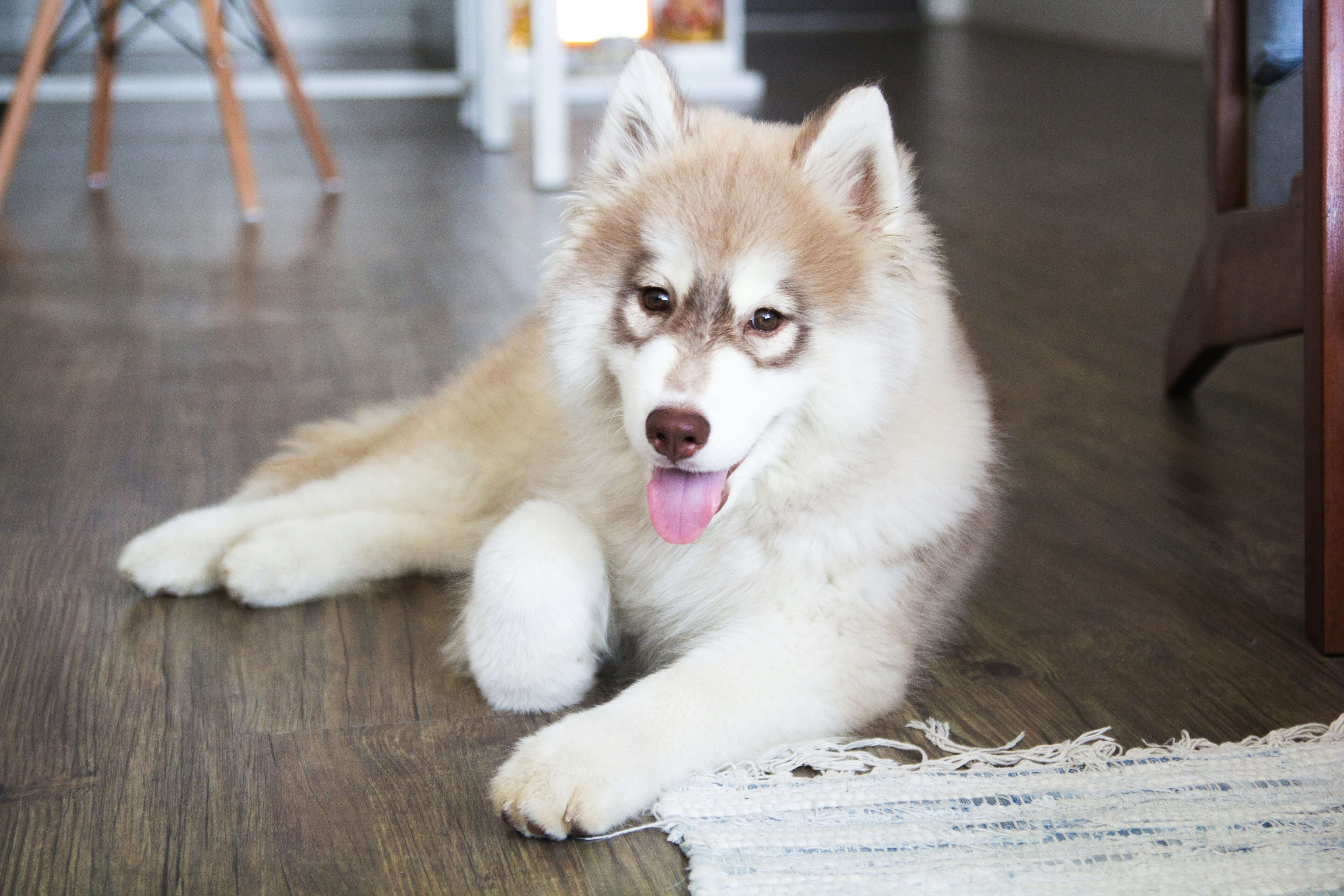
Siberian Huskies are strikingly beautiful. Those piercing blue eyes (or heterochromia - one blue, one brown), wolf-like features, and luxurious coat make them one of the most photogenic breeds. Their facial markings create unique patterns, and their expressive faces show remarkable emotional range.
Temperament: Friendly, energetic, and mischievous. Huskies are pack dogs who love people and other dogs. However, they're independent, stubborn, and notorious escape artists. They're bred to run for miles, so their energy level is extreme. Not recommended for first-time owners despite their beauty.
Care requirements: Heavy shedding - they blow their coat twice yearly, creating fur tumbleweeds throughout your home. Need 2+ hours of vigorous daily exercise. Huskies are intelligent but difficult to train due to stubbornness. They have strong prey drives and shouldn't be trusted off-leash. Require secure, tall fencing as they're expert escape artists.
9. Poodle (Toy and Miniature)
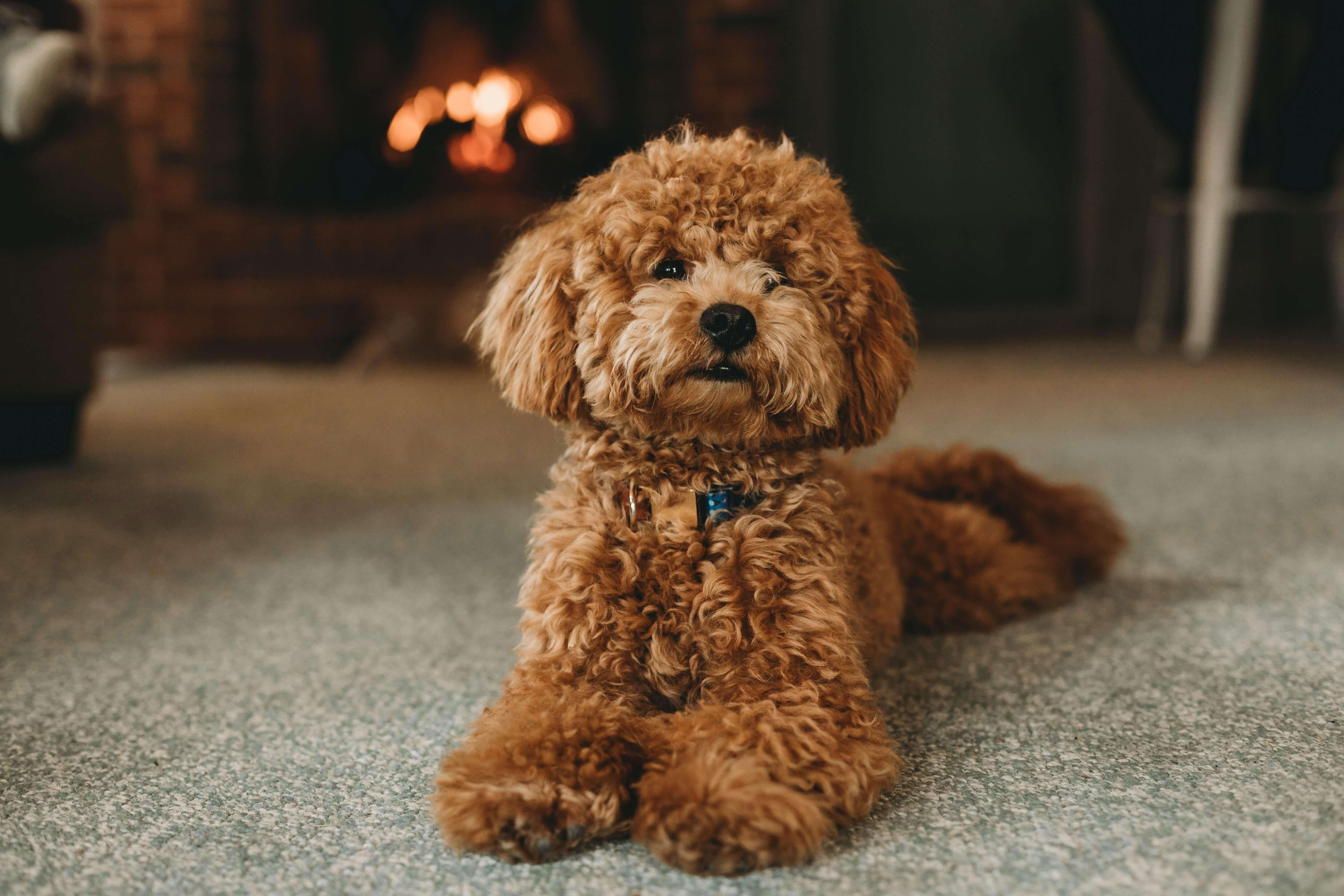
Poodles are elegant and cute simultaneously. Their curly, non-shedding coat can be styled in various ways, and their dark, intelligent eyes convey remarkable expressiveness. Toy and Miniature Poodles pack all the grace of Standard Poodles into compact, cuddle-sized packages.
Temperament: Intelligent, trainable, and active. Poodles rank among the smartest dog breeds. They're eager to please, excel in dog sports, and make excellent companions. They're friendly but can be reserved with strangers initially. More athletic than many people expect from their fancy appearance.
Care requirements: High grooming maintenance. Professional grooming every 4-8 weeks is essential. Daily brushing prevents mats in that curly coat. Poodles need significant mental and physical exercise despite their small size. They're highly trainable and require ongoing mental stimulation to prevent boredom. Generally healthy but can be prone to eye issues and hip dysplasia.
10. Chow Chow
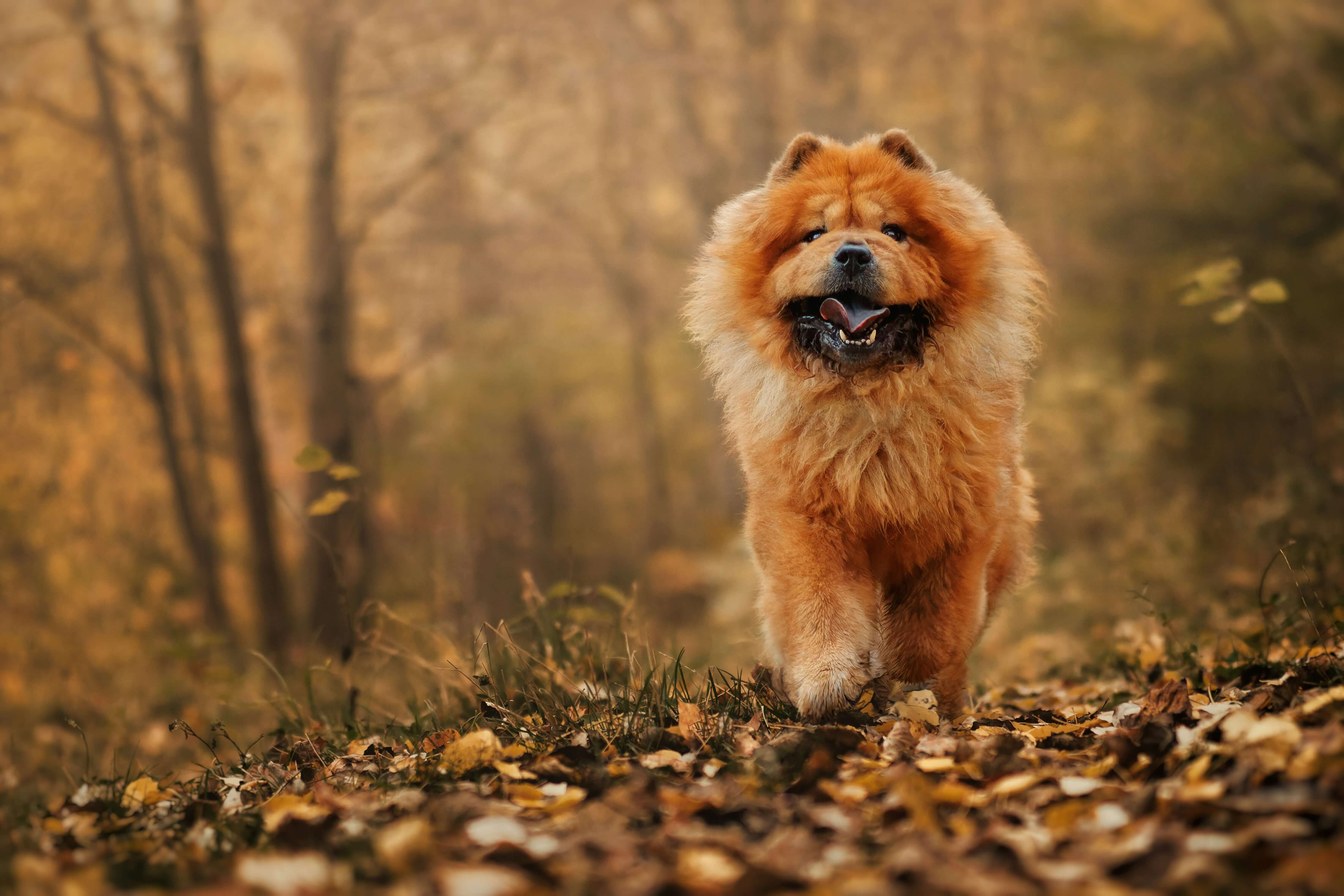
Chow Chows look like living teddy bears or miniature lions. Their thick, fluffy coat, mane-like ruff, and distinctive blue-black tongue make them unique. They have a scowling expression that somehow makes them even cuter - like permanently grumpy stuffed animals.
Temperament: Independent, dignified, and aloof. Chows are loyal to their families but reserved with strangers. They're not overly affectionate or playful - more like dignified companions. They can be stubborn and require experienced owners who understand their independent nature. Early socialization is crucial to prevent aggression.
Care requirements: Extensive grooming for that luxurious coat. Daily brushing during shedding seasons, professional grooming regularly. Moderate exercise needs but must avoid overheating due to thick coat. Training requires patience and consistency. Chows are prone to hip dysplasia and eyelid problems. Not recommended for first-time dog owners.
Pro Tip: Cute breeds often have higher purchase prices and ongoing costs. Use our dog adoption cost calculator to budget for grooming, health care, and maintenance expenses. Many cute breeds require professional grooming costing $600-1,200+ annually.
Breed Popularity Statistics
Global rankings based on AKC and international kennel club registrations
Consistently top 3 most popular breed worldwide
Rising popularity due to social media presence
Popular in urban areas and apartments
High demand but challenging for beginners
Based on veterinary case studies and clinical research
The Reality Behind the Cuteness
Before falling for a cute face, understand the responsibilities that come with these breeds:
Grooming Costs Add Up
Seven out of ten breeds on this list require professional grooming. At $50-100 per session every 4-8 weeks, you're looking at $600-1,200 annually just for grooming. Breeds like Poodles, Bichons, and Samoyeds can't skip this without developing painful mats and skin issues.
Health Issues in Flat-Faced Breeds
Pugs and other brachycephalic breeds struggle with breathing, overheating, and dental problems due to their flat faces. These aren't minor inconveniences - they're quality of life issues that require veterinary management and can lead to expensive surgeries.
Small Doesn't Mean Low Maintenance
Pomeranians, Shiba Inus, and Corgis need just as much exercise and mental stimulation as larger breeds. Don't assume a cute small dog will be a low-effort companion. Many small breeds have big energy and strong personalities.
Annual Ownership Cost Breakdown
| Breed | Grooming | Food | Vet Care | Total Est. |
|---|---|---|---|---|
| Pomeranian | $600-800 | $240-480 | $400-600 | $1,800-2,500 |
| Corgi | $400-600 | $480-840 | $500-700 | $2,000-3,000 |
| Samoyed | $800-1,200 | $720-1,200 | $600-900 | $2,800-4,000 |
| Golden Retriever | $500-800 | $840-1,440 | $600-900 | $2,500-3,800 |
| Pug | $300-500 | $360-600 | $800-1,200 | $2,200-3,500 |
Choosing the Right Cute Breed for You
Match the breed to your lifestyle, not just your aesthetic preferences:
- For apartment living: Pug, Bichon Frisé, Toy Poodle (lower exercise needs)
- For active families: Golden Retriever, Corgi, Siberian Husky (high energy)
- For first-time owners: Golden Retriever, Bichon Frisé, Pug (easier temperaments)
- For experienced owners: Shiba Inu, Chow Chow, Husky (independent, challenging)
- For allergy concerns: Poodle, Bichon Frisé (low-shedding coats)
- For hot climates: Pug, Corgi (shorter coats, though Pugs need AC)
- For cold climates: Samoyed, Siberian Husky, Chow Chow (thick coats)
Caring for Your Cute Companion
Regardless of which adorable breed you choose, these fundamentals apply:
Maintain That Beautiful Coat
Regular brushing prevents mats, reduces shedding, and keeps skin healthy. Invest in quality grooming tools appropriate for your dog's coat type. Budget for professional grooming if your breed requires it - this isn't optional.
Provide Appropriate Exercise
Even cute, small breeds need daily physical activity. Mental stimulation through training and puzzle toys is equally important. A bored dog, regardless of cuteness, becomes a destructive dog.
Regular Veterinary Care
Many cute breeds have specific health concerns. Annual checkups, vaccinations, and preventive care are essential. Budget for emergency vet funds because unexpected health issues happen to all dogs.
Frequently Asked Questions
What is the cutest dog breed in the world?
Pomeranians, Corgis, and Golden Retrievers are always among the cutest dog breeds in the world, even though cuteness is subjective. Pomeranians win because they look like fluffy teddy bears and are very small. Corgis are cute because they have short legs and always smile. Golden Retrievers are beautiful and have warm, friendly faces. It all comes down to what you like best. Some people like small, fluffy dogs, while others like big, majestic ones. All of the breeds on this list have more than one scientifically proven cuteness factor.
Are cute dog breeds more expensive to own?
Yes, a lot of cute breeds cost more to buy and take care of. Reputable breeders often charge $1,000 to $3,000 or more for popular cute breeds like Pomeranians, Samoyeds, and Pugs. Costs that happen all the time are higher because of grooming needs (breeds that need professional grooming cost $600 to $1,200 a year), possible health problems (flat-faced breeds have higher vet bills), and prices that change based on demand for everything from boarding to training. Plan to spend $1,500 to $3,000 or more a year on food, grooming, vet care, and other supplies for your cute breed.
Do cute dogs have more health problems?
Some cute breeds have health problems because of how cute they are. Pugs and other breeds with flat faces have trouble breathing, get too hot, and have dental problems. Pomeranians, which are bred to be very small, can have weak bones and dental problems. Corgis and other long-backed breeds are more likely to have back problems. Some cute breeds are healthy, though. For example, Golden Retrievers and Bichons are usually very healthy. Before you buy a dog, look into the health problems that are common in that breed. Only buy from breeders who test their dogs' health and put health ahead of looks.
What is the easiest cute dog breed for first-time owners?
Golden Retrievers and Bichon Frisés are the cutest breeds that are easy for beginners. Goldens are friendly, easy to train, and don't hold grudges against people who make mistakes. Bichons are smaller, more flexible, and less demanding than many toy breeds, but they are still very cute. Both breeds have good temperaments and are easy to train. Even though they are cute, don't get a Shiba Inu, Chow Chow, or Husky as your first dog. These breeds are independent, stubborn, and need to be handled by someone with experience.
How much grooming do cute fluffy breeds need?
Samoyeds, Pomeranians, and Bichons are fluffy breeds that need a lot of grooming. You should brush your dog every day or a few times a week to keep mats from forming and to control shedding. Every 4 to 8 weeks, professional grooming costs $50 to $100 per session, or $600 to $1,200 per year. Fluffy double-coated breeds like Samoyeds and Pomeranians shed a lot during shedding seasons, so they need to be brushed even more often. Set aside 30 to 60 minutes a week for grooming at home and by a professional. Not grooming your pet can lead to painful mats, skin infections, and costly emergency grooming.
Final Thoughts: Beauty and Responsibility
I've owned several breeds on this list, and I can confirm they're just as adorable in person as they appear in photos. But I've also learned that cuteness alone doesn't determine whether a dog is right for you. My Pomeranian is absolutely precious, but that fluffy coat requires hours of grooming monthly. My friend's Husky is stunning but destroyed her apartment before she understood the exercise requirements.
These cute breeds bring immense joy, but they also bring responsibility. Before choosing based on appearance, honestly assess your lifestyle. Can you commit to professional grooming? Do you have time for daily exercise? Can you afford breed-specific health care? Are you prepared for the personality traits that come with the breed?
The cutest dog for you is the one whose needs match what you can provide. A well-cared-for, happy dog is always more beautiful than a neglected one, regardless of breed. Choose wisely, prepare thoroughly, and you'll have an adorable companion who enriches your life for the next 10-15 years.
Remember - every dog is cute to someone who loves them. Mixed breeds, shelter dogs, and less conventionally attractive breeds make equally wonderful companions. Don't let cuteness rankings limit your options. The perfect dog for you might not be on any "cutest breeds" list.
Find Your Perfect Cute Companion
Cuteness is just one factor in choosing the right dog. Use our free tools to match breeds to your lifestyle, budget for care costs, and ensure you're ready for dog ownership. All tools are free with no signup required.
Related Articles
Smartest Dog Breeds Ranked – Based on Intelligence Tests
Discover which dog breeds rank highest in intelligence testing and what that means for training and daily care.
Choosing the Right Dog Breed for Your Lifestyle
Learn how to match dog breeds to your activity level, living space, and budget before making a commitment.
Low Maintenance Dog Breeds for Busy People
Find breeds that require minimal grooming and exercise while still being loving companions.
10 Things to Know Before Getting a Dog
Essential preparation tips every first-time dog owner needs before bringing home a new puppy.