Low-Maintenance Dog Breeds for Busy People
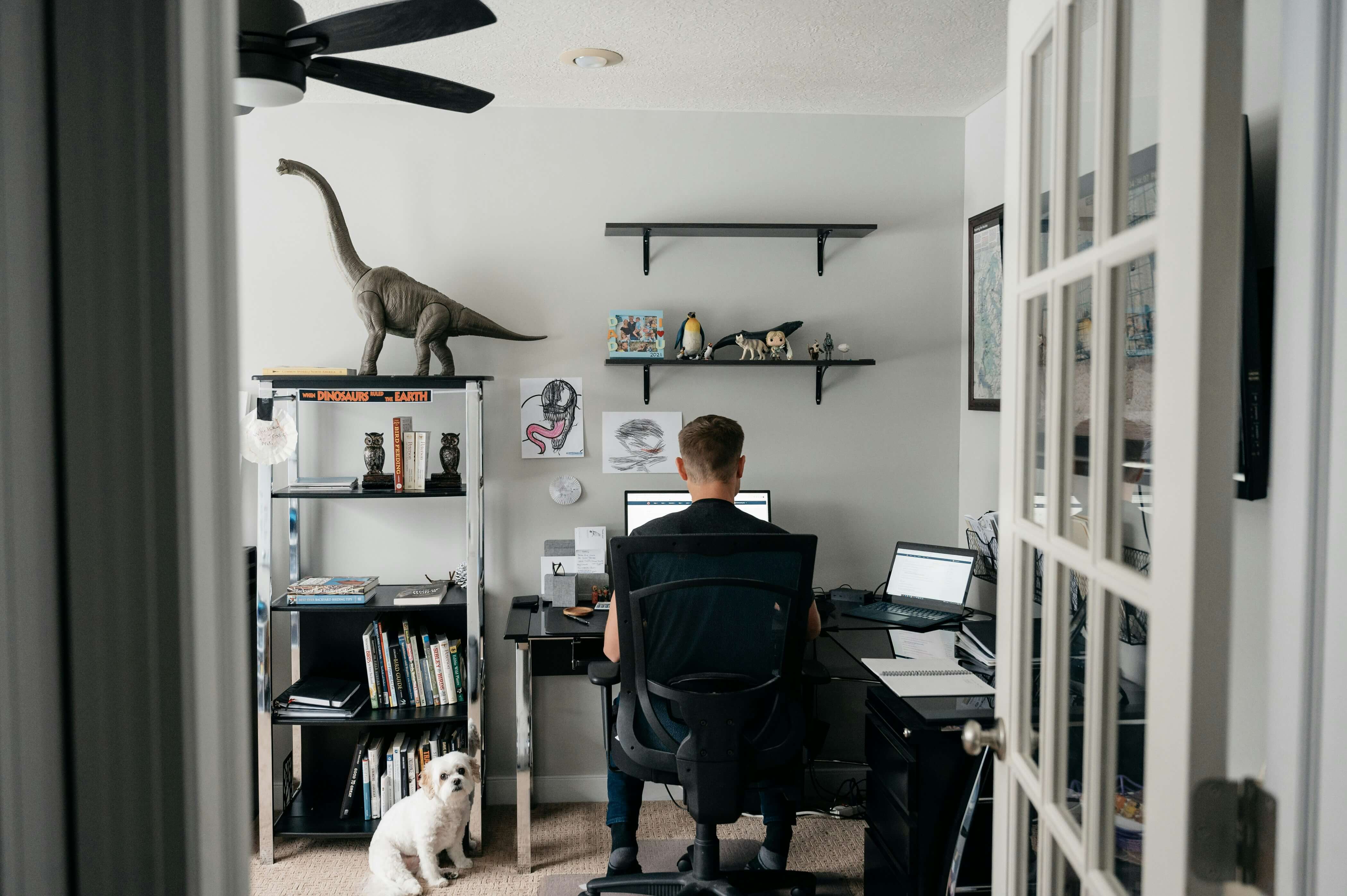
I work 50-hour weeks and travel twice a month for business. When I told my friends I wanted a dog, they looked at me like I was crazy. "You don't have time for a dog," they said. They were half right. I didn't have time for a high-maintenance dog. But I found a French Bulldog named Max who fits my life perfectly. He's happy, healthy, and we make it work because I chose a breed that matches my schedule.
If you're busy but want a dog, you're not being selfish or irresponsible. You just need to be smart about which breed you choose. This guide breaks down the best low-maintenance dog breeds for people with demanding schedules, what makes them easy to care for, and how to ensure they're happy even when you're busy.
What Makes a Dog Low-Maintenance?
- Moderate energy levels (30-45 minutes daily exercise)
- Minimal grooming requirements
- Independent personality (comfortable alone 6-8 hours)
- Easy to train with basic obedience
- Few breed-specific health issues
- Adaptable to apartment or house living
- Lower overall care costs
Understanding Low-Maintenance vs Neglect
Let's be clear about something first. Low-maintenance doesn't mean no maintenance. Every dog needs food, water, exercise, vet care, and attention. What low-maintenance means is that the breed doesn't require excessive grooming, hours of daily exercise, or constant entertainment.
A low-maintenance dog can handle your work schedule without developing anxiety or destructive behaviors. They're content with shorter walks, don't need professional grooming every six weeks, and can entertain themselves for reasonable periods.
If you work 12-hour days with a long commute, even low-maintenance breeds will struggle. You'll need a dog walker or daycare. But if you work standard hours and have some flexibility, these breeds adapt well to busy lifestyles.
Best Low-Maintenance Dog Breeds
French Bulldog
French Bulldogs are the ultimate low-maintenance companion for busy people. They need about 30 minutes of exercise daily, usually just two short walks. They're happy to sleep while you work and don't bark excessively. Grooming is minimal because of their short coat.
The downsides? They can have breathing issues due to their flat faces, which means vet bills can add up. They also don't do well in extreme heat, so you need air conditioning in summer. But for apartment living and busy schedules, they're hard to beat.
Best for: Apartment dwellers, people who work from home occasionally, those who prefer calm dogs over energetic ones.
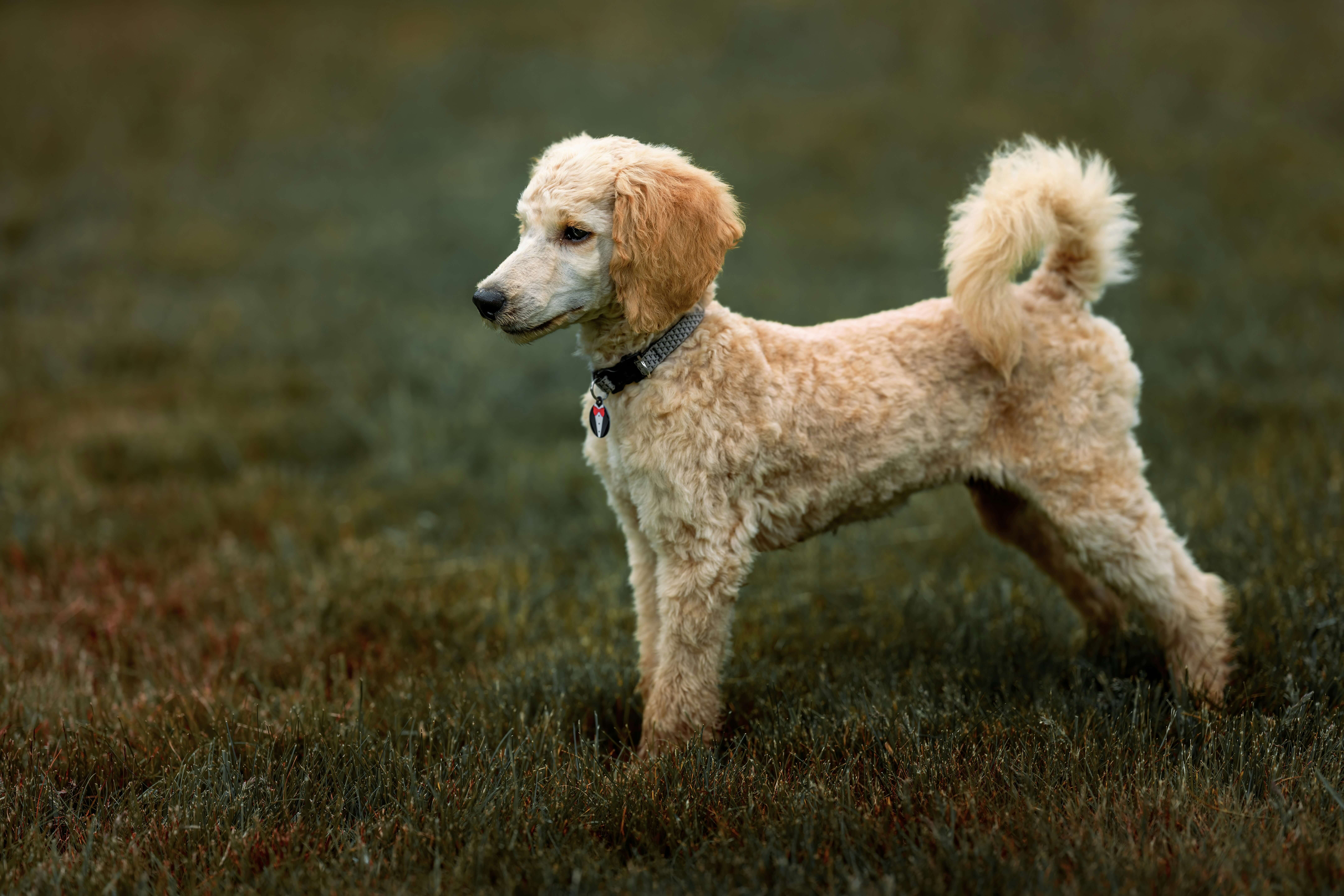
Cavalier King Charles Spaniel
Cavaliers are gentle, adaptable, and perfectly sized for any living situation. They need moderate exercise, around 40 minutes daily, but they're not demanding about it. A morning walk and some evening playtime keeps them satisfied.
They do need regular brushing (twice a week) because of their longer coat, but you can do this yourself while watching TV. They're friendly with everyone, easy to train, and genuinely enjoy just being near you while you work or relax.
Best for: People who want an affectionate dog, families with older children, those who can commit to regular brushing.
Basset Hound
Basset Hounds are incredibly laid-back. They're happy with 30-40 minutes of walking daily and spend most of their time lounging. Their short coat needs minimal grooming, just occasional baths and brushing.
The catch is they can be stubborn during training, so you need patience early on. They also drool and have a strong doggy smell that some people find off-putting. But if you can handle those quirks, they're one of the easiest breeds to live with.
Best for: People who want a calm, quiet dog, those with houses (they can be loud barkers in apartments), owners who don't mind some slobber.
Boston Terrier
Boston Terriers are friendly, compact, and low-maintenance. They need about 40 minutes of exercise daily but are flexible. They're fine with two short walks or one longer outing. Their short coat sheds minimally and requires almost no grooming.
They're smart and easy to train, which makes them great for first-time owners. They adapt well to apartments and houses. The main concern is they can have eye issues and, like Frenchies, they're sensitive to extreme temperatures.
Best for: First-time dog owners, apartment living, people who want a playful but manageable energy level.
Pro Tip: Before committing to a breed, use our dog breed selector tool to match breeds to your specific lifestyle, living situation, and schedule. It helps you compare exercise needs, grooming requirements, and care costs across different breeds.
Greyhound
This surprises people, but retired racing Greyhounds are incredibly low-maintenance. Despite being built for speed, they're couch potatoes. They need one good 30-minute walk or a chance to run in a fenced area, then they're done for the day.
Their short coat barely sheds and needs minimal grooming. They're quiet, gentle, and surprisingly well-suited to apartment living. The downside is they have a strong prey drive, so they can't be off-leash in unfenced areas, and they may not do well with small pets.
Best for: People who want a larger dog without high energy, those with fenced yards, owners without cats or small animals.
Shiba Inu
Shiba Inus are clean, independent, and cat-like in their behavior. They need about 40 minutes of exercise daily but are happy to entertain themselves afterward. They groom themselves like cats and have minimal doggy odor.
The challenge with Shibas is they're stubborn and need consistent training. They're not overly affectionate and prefer independence, which works well for busy people but might disappoint those wanting a cuddly companion. They also shed heavily twice a year.
Best for: Experienced dog owners, people who respect independent personalities, those who want a clean, quiet dog.
Low-Maintenance Breed Comparison
| Breed | Exercise | Grooming | Size | Best for | Health concerns | Cost |
|---|---|---|---|---|---|---|
| French Bulldog | 30 min/day | Minimal, short coat | Small (20-28 lbs) | Apartments, work-from-home | Breathing issues | Medium-High |
| Cavalier King Charles | 40 min/day | Moderate, weekly brushing | Small-Medium (13-18 lbs) | Families, affectionate owners | Heart issues | Medium |
| Basset Hound | 30-40 min/day | Minimal, occasional bath | Medium (40-65 lbs) | Houses with yards | Back, joint issues | Low-Medium |
| Boston Terrier | 40 min/day | Minimal, short coat | Small (12-25 lbs) | First-time owners, apartments | Eye issues | Medium |
| Greyhound | 30 min/day (one good run) | Minimal, barely sheds | Large (60-70 lbs) | Fenced yards, no small pets | Few breed issues | Low |
| Shiba Inu | 40 min/day | Minimal, self-cleaning | Small-Medium (17-23 lbs) | Experienced owners | Allergies | Medium-High |
What About Mixed Breeds?
Don't overlook shelter mutts. Many mixed breed dogs combine the best traits of low-maintenance breeds. A Beagle-Basset mix might have the calm nature of both breeds. A Chihuahua-Terrier mix could be small, adaptable, and low-energy.
The advantage of adopting an adult mixed breed is you know exactly what you're getting. You can see their size, temperament, and energy level. Shelter staff can tell you which dogs do well alone and which ones have separation anxiety.
Talk to rescue organizations about your schedule. Many have foster programs where dogs live in homes temporarily, so they know which dogs adapt well to working owners. Some rescues even specialize in matching busy professionals with appropriate dogs.
Breeds to Avoid if You're Busy
Some breeds are amazing but terrible fits for busy people. Be honest with yourself and skip these high-maintenance breeds:
Border Collies and Australian Shepherds
These working breeds need 2+ hours of intense exercise and mental stimulation daily. Without it, they become destructive and develop behavioral problems. They're incredible dogs for the right owner, but that owner needs significant free time.
Huskies and Malamutes
Beautiful, friendly, and absolutely exhausting. They need extensive exercise, they escape from yards, they're stubborn during training, and they shed constantly. Even experienced dog owners find them challenging.
Jack Russell Terriers
Small doesn't mean easy. Jack Russells are bundles of energy that need constant activity and attention. They're notorious for destructive behavior when bored and can bark excessively in apartments.
High-Grooming Breeds (Poodles, Shih Tzus, Bichons)
These breeds need professional grooming every 6-8 weeks, costing $50-100 per visit. That's $600-1200 annually just for grooming. If you don't have time for this expense and commitment, choose a short-haired breed.
Making It Work: Essential Tips for Busy Dog Owners
Establish a Routine
Dogs thrive on consistency. Walk them at the same times daily. Feed them on schedule. This predictability reduces anxiety and makes them more content when you're away.
Invest in Quality Time, Not Quantity
When you're home, be present. Put your phone down during walks. Play fetch for 15 focused minutes rather than ignoring them while you scroll. Dogs pick up on your attention quality, not just time spent together.
Use Puzzle Toys and Enrichment
Puzzle feeders, snuffle mats, and Kong toys stuffed with treats keep dogs mentally stimulated while you're away. Mental exercise tires them out almost as much as physical activity.
Consider a Dog Walker or Daycare
If you work 10-hour days, hire a dog walker for a midday break. It's not admitting defeat, it's being responsible. Alternatively, doggy daycare once or twice a week provides socialization and exercise.
Pro Tip: Budget for dog care expenses before adopting. Use our dog adoption cost calculator to estimate monthly food costs, vet expenses, and budget for services like dog walking or daycare. Low-maintenance breeds cost less overall, but you still need financial planning.
Train for Independence Early
Start leaving your dog alone for short periods from day one. Gradually increase the time. This prevents separation anxiety and teaches them that you always come back. Crate training helps tremendously with this process.
Daily Schedule for Busy Dog Owners
Morning routine and feeding
- •20-30 min walk for exercise
- •Feed breakfast meal
- •Quick bathroom break
Work hours - dog alone
- •Dog stays in safe space with puzzle toys
- •Access to water and comfortable bed
- •Optional: Midday dog walker visit
Evening exercise and dinner
- •20-30 min walk or playtime
- •Feed dinner meal
- •Interactive play session
Quality bonding time
- •Cuddle time on couch
- •10-15 min training session
- •Mental enrichment games
Bedtime routine
- •Final potty break
- •Settle in sleeping area
- •Calm, quiet winding down
Cost Considerations for Low-Maintenance Breeds
Low-maintenance breeds save you money in several ways. Less grooming means lower annual costs. Breeds with fewer health issues mean lower vet bills. Smaller sizes usually mean lower food costs.
A French Bulldog costs about $30-50 monthly for food. Grooming is basically free since you can do it at home. Routine vet care runs $300-500 annually. Compare that to a Poodle requiring $600+ annually just for grooming, plus higher food costs for standard-sized versions.
However, some low-maintenance breeds like French Bulldogs have higher potential vet costs due to breathing issues. Budget for an emergency fund regardless of breed. Unexpected vet visits happen to every dog owner eventually.
Monthly Cost Breakdown: Low-Maintenance Dogs
Average monthly expenses for low-maintenance dog breeds
Quality kibble, small to medium breeds ($30-60)
Flea, tick, heartworm medication ($20-40)
DIY grooming for short-haired breeds ($0-20)
Monthly savings for annual checkups ($25-40)
Based on veterinary case studies and clinical research
Exercise Requirements Reality Check
When breed descriptions say "moderate exercise," that usually means 30-45 minutes daily. This isn't optional. Even low-maintenance dogs need this minimum activity to stay healthy and well-behaved.
But here's the good news: you can split this up. A 20-minute morning walk and 20-minute evening walk works perfectly. You can even break it into three shorter sessions if that fits your schedule better.
Exercise also includes playtime. Fifteen minutes of fetch in your backyard counts. Ten minutes of tug-of-war indoors counts. You don't need hour-long hikes to meet these breeds' needs.
Pro Tip: Check our dog exercise calculator to see exactly how much daily activity your chosen breed needs. It breaks down exercise by age, size, and energy level so you know what you're committing to before adopting.
Puppy vs Adult: Which is Better for Busy People?
Puppies are adorable but incredibly time-intensive. They need bathroom breaks every 2-3 hours, constant supervision, and extensive training. If you work full-time without flexibility, skip the puppy stage.
Adult dogs (2+ years old) are much easier for busy people. They're already house-trained, past the destructive chewing phase, and their personality is fully developed. You know exactly what you're getting.
Many people worry adult dogs won't bond with them. This is a myth. Adult dogs bond just as strongly as puppies, often faster because they're grateful for a good home. Plus, senior dogs (7+ years) are even calmer and make excellent companions for busy people.

Frequently Asked Questions
Can I have a dog if I work 8-9 hours a day?
Yes, but you need the right breed and proper planning. Low-maintenance breeds like French Bulldogs, Basset Hounds, and Boston Terriers can handle 8-hour workdays if you provide morning and evening exercise, puzzle toys for stimulation, and quality time when you're home. For 9+ hour days, hire a midday dog walker or use doggy daycare a few times weekly.
What's the easiest dog breed for first-time owners with busy schedules?
French Bulldogs and Cavalier King Charles Spaniels are the easiest for busy first-time owners. They're friendly, adaptable, easy to train, and don't need excessive exercise or grooming. Boston Terriers are another excellent choice. All three breeds are forgiving of rookie mistakes and genuinely enjoy downtime, making them perfect for people learning dog ownership while managing work commitments.
Are small dogs always easier to care for than large dogs?
Not always. Size doesn't determine maintenance level. A small Jack Russell Terrier needs far more exercise and attention than a large Greyhound. What matters is energy level, grooming needs, and temperament. Some large breeds like Greyhounds and Basset Hounds are incredibly low-maintenance despite their size. Focus on breed characteristics, not just size when choosing.
How much does it cost monthly to own a low-maintenance dog?
Low-maintenance dogs typically cost $100-200 monthly. This includes food ($30-60), preventive medications for fleas and heartworm ($20-40), toys and supplies ($10-20), and setting aside money for annual vet visits ($25-40 monthly average). Small breeds cost less for food and medication. Large breeds cost more. Emergency vet fund savings should be budgeted separately ($50-100 monthly recommended).
Do low-maintenance dogs still need training?
Absolutely. Low-maintenance refers to grooming, exercise, and independence, not training. Every dog needs basic obedience training (sit, stay, come, leash manners) regardless of breed. The good news is low-maintenance breeds tend to be easier to train because they're typically calmer and more focused. Invest 10-15 minutes daily in training, especially during the first few months.
Final Thoughts: You Can Make This Work
Being busy doesn't disqualify you from dog ownership. It just means you need to be strategic about breed selection and honest about what you can provide. Low-maintenance breeds genuinely thrive with busy owners who give them focused attention during off-hours.
The key is matching the dog to your actual life, not the life you wish you had. If you work 50 hours a week, don't get a Border Collie hoping you'll suddenly become active. Get a French Bulldog or Basset Hound that fits your reality.
I've had Max for three years now. He's happy, healthy, and perfectly content with our routine. We walk before work, he sleeps during the day, and we have quality time together in the evenings and weekends. It works because I chose a breed that matches my lifestyle instead of trying to force my lifestyle to match the breed.
You can do the same. Take your time choosing the right breed. Be honest about your schedule. Use planning tools to budget properly. When you get it right, you'll have a companion that enriches your life without overwhelming it.
Find Your Perfect Low-Maintenance Dog Match
Use our free tools to find breeds that match your schedule, calculate care costs, and plan for successful dog ownership. No signup required.