10 Things to Know Before Getting a Dog – A Beginner's Guide

One of the most exciting things you can do is get a dog. I still remember how excited I was to drive home with my first puppy. But here's something no one tells you: if you're not ready, the first few months can be very hard. I've worked with hundreds of first-time dog owners and made a lot of mistakes myself. I've learned that being ready makes all the difference between a smooth transition and a stressful one.
This guide lists the ten most important things that every new dog owner should know before getting a dog. These tips will save you time, money, and stress in the future, whether you're getting a puppy or saving an adult dog.
Quick Overview: 10 Things You'll Learn
- Dogs are a 10-15 year financial commitment
- First-year costs can reach $2,000-$3,500
- Training takes consistency, not just treats
- Exercise needs vary dramatically by breed
- Veterinary care is non-negotiable
- Puppy-proofing prevents expensive accidents
- Socialization windows close quickly
- Your lifestyle must match your dog's needs
- Time commitment is 2-4 hours daily
- Planning tools help prevent costly surprises
1. Dogs Are a Long-Term Financial Commitment
Let's talk money first, because this is where most beginners get blindsided. A dog isn't just the adoption fee. It's 10-15 years of ongoing expenses that add up faster than you'd think.
The first year costs the most. You have to buy everything from scratch, like the crate, bed, bowls, collar, leash, toys, food, and first vet visits. Depending on how big your dog is and whether you get a puppy or an adult dog, Costs for adults in their first year usually range from $2,000 to $3,500.
After that, expect to spend $1,000-$2,000 annually. This covers food, routine vet checkups, vaccinations, flea and tick prevention, and replacing worn-out supplies. Larger breeds cost more because they eat more and often need pricier medications based on weight.
Pro Tip: Before you commit, use our dog adoption cost calculator to estimate your first-year expenses based on breed size and location. It breaks down everything from food to emergency vet savings so you can budget accurately.
First Year Dog Ownership Costs by Size
Average cost: $2,000
Average cost: $2,750
Average cost: $3,500
Based on veterinary case studies and clinical research
2. The Right Breed Matters More Than You Think
Choosing a dog based only on how it looks is a bad idea. I learned this the hard way. Different breeds have very different amounts of energy, grooming needs, and personalities. A Border Collie with a lot of energy will be unhappy in a small apartment with little exercise. A Basset Hound that is relaxed will be boring for an owner who is very active.
First-time owners should focus on trainable, adaptable breeds. Golden Retrievers, Labrador Retrievers, Cavalier King Charles Spaniels, and Beagles are popular for good reason. They're generally friendly, forgiving of rookie mistakes, and eager to please.
Stay away from breeds that need experienced handlers unless you're ready to spend a lot of money on professional training. Huskies, Belgian Malinois, Jack Russell Terriers, and Cattle Dogs are smart but also stubborn or high-strung. They need constant mental stimulation and strict, regular training.
Pro Tip: Not sure which breed fits your lifestyle? Try our dog breed selector tool that matches breeds to your living situation, activity level, and experience. It helps you avoid choosing a dog you can't handle.
Beginner-Friendly vs. Expert-Only Breeds
| Beginner-Friendly Breeds | Expert-Only Breeds | |
|---|---|---|
| Trainability | Golden Retriever - Easy to train, gentle | Husky - Stubborn, high energy |
| Temperament | Labrador Retriever - Friendly, adaptable | Belgian Malinois - Intense, needs job |
| Energy Level | Cavalier King Charles - Low energy, affectionate | Jack Russell Terrier - Hyperactive |
| Social Skills | Beagle - Social, forgiving | Australian Cattle Dog - Demanding |
3. Training Starts Day One (And Never Really Stops)
Training isn't something you do for a month and forget about. It's an ongoing process that starts the moment your dog enters your home. Consistency is everything. If you let your puppy on the couch once, they'll expect it every time. If you ignore jumping when you're in a good mood but scold it when you're stressed, your dog gets confused.
Focus on these basics first: potty training, crate training, basic commands (sit, stay, come), and leash manners. These foundational skills make everything else easier. House training typically takes 4-6 months for puppies, but every dog is different.
Positive reinforcement works better than punishment. Reward the behavior you want with treats, praise, or play. Ignore or redirect unwanted behavior instead of yelling. Dogs don't understand anger, they just learn to fear you, which damages your bond and makes training harder.
Puppy Training Timeline
Potty training basics, crate introduction
- •Establish bathroom schedule
- •Introduce crate as safe space
- •Begin house training routine
Basic commands: sit, stay, come
- •Use positive reinforcement
- •Keep sessions short (5-10 min)
- •Practice multiple times daily
Leash training, socialization begins
- •Introduce leash walking gradually
- •Expose to new people and pets safely
- •Visit puppy socialization classes
Advanced commands, public behavior
- •Practice in distracting environments
- •Work on impulse control
- •Prepare for real-world situations
4. Exercise Requirements Are Non-Negotiable
A dog that is tired is a good dog. This saying is true, which is why it exists. When dogs don't get enough exercise, they become destructive, anxious, and hard to handle. They bark too much, chew on furniture, and have behavior problems that training alone can't fix.
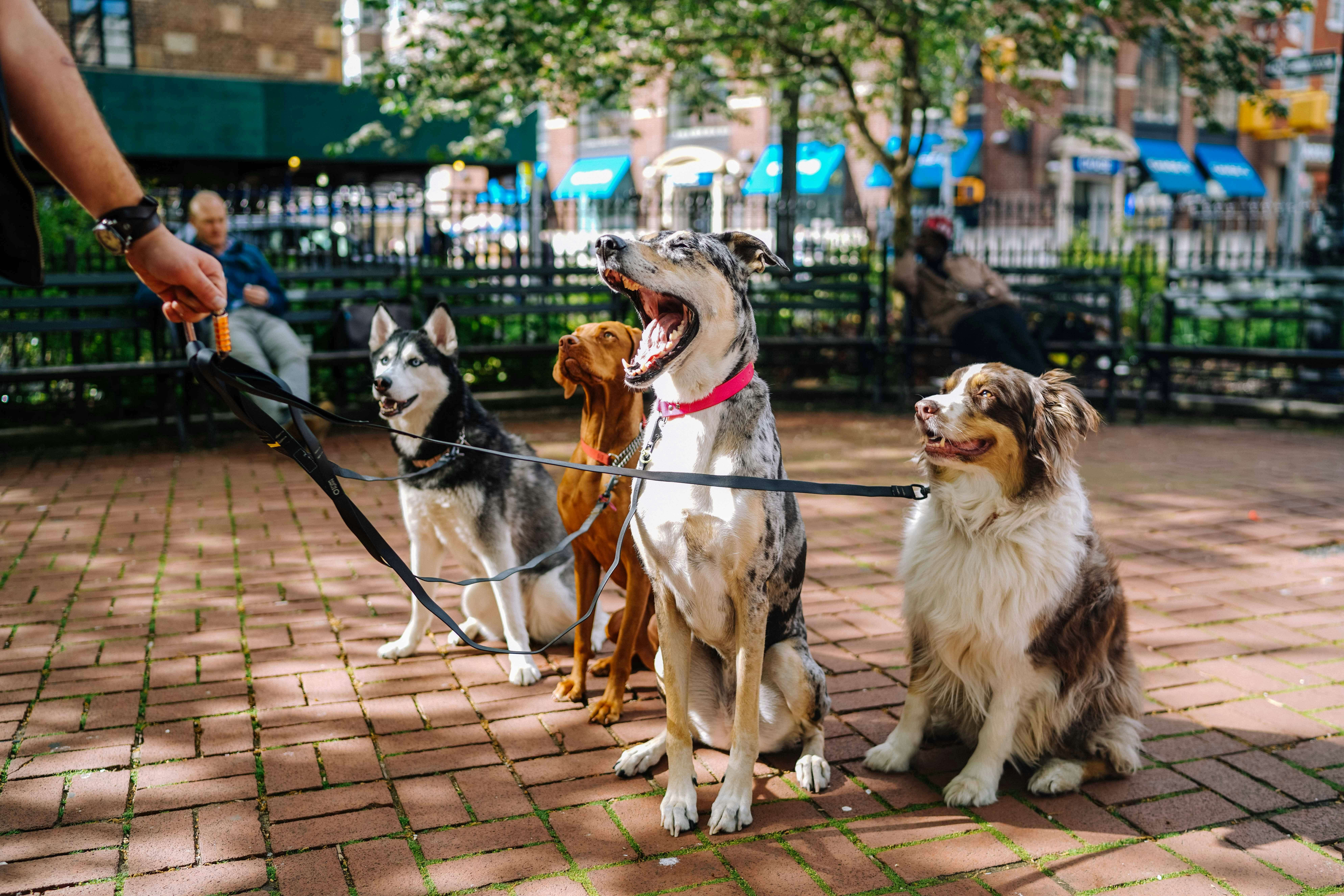
Different breeds need different amounts of exercise. Breeds with a lot of energy, like Australian Shepherds, Vizslas, and Weimaraners need 1–2 hours of a lot of activity every day. We're talking about running, hiking, or going all out. not just a walk around the block. Breeds with medium energy like Beagles and Cocker Spaniels need 45 to 60 minutes. Breeds with low energy like Bulldogs and Shih Tzus are fine with 30 minutes of moderate walking.
Mental exercise counts too. Puzzle toys, training sessions, and scent work tire dogs out mentally, which is just as important as physical activity. A 15-minute training session can exhaust a puppy more than a 30-minute walk.
Pro Tip: Use our dog exercise calculator to determine exactly how much daily activity your specific breed needs based on age, size, and energy level. It prevents under-exercising or over-exercising your dog.
5. Veterinary Care Is More Than Annual Checkups
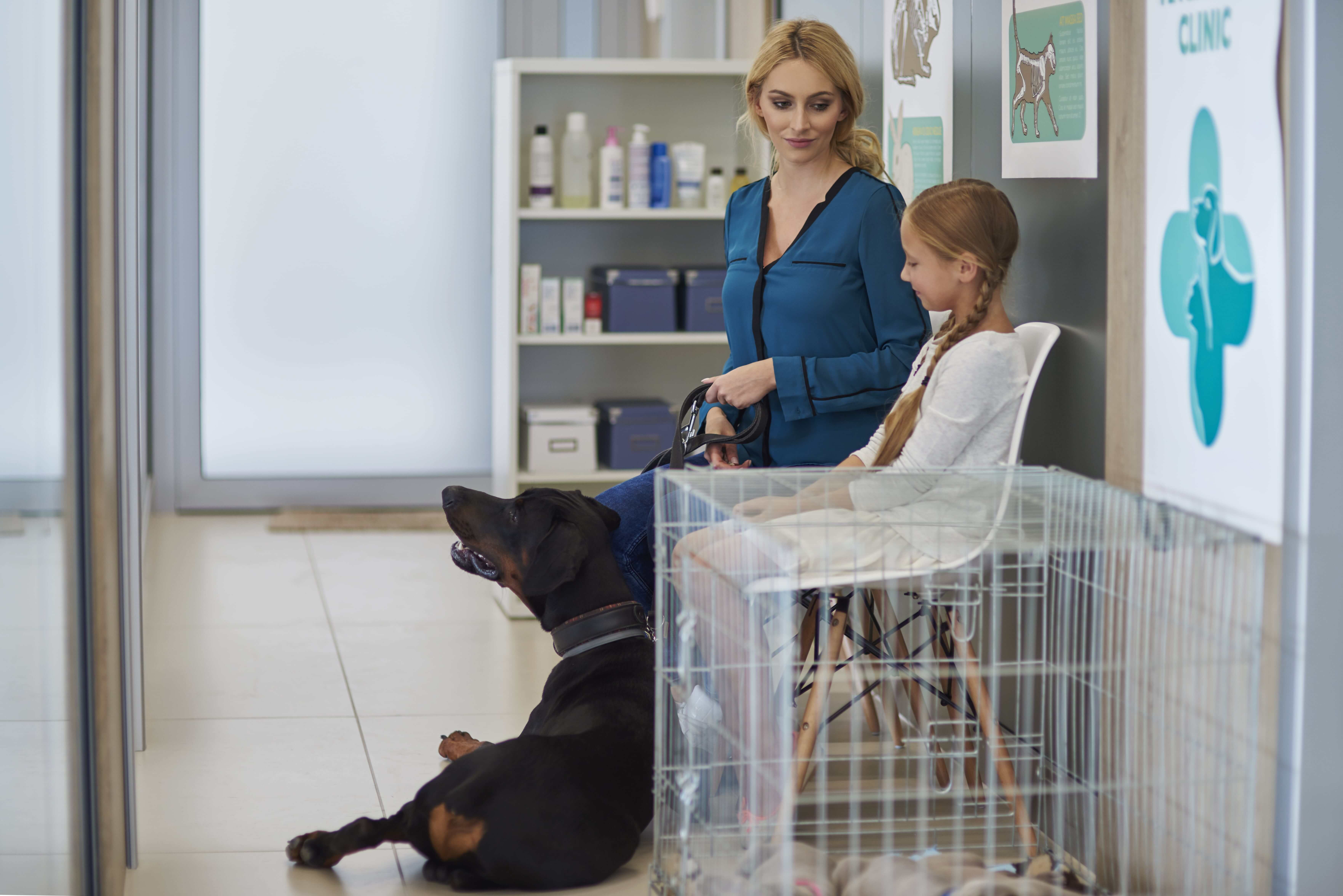
Routine vet care is predictable and manageable. Annual wellness exams, vaccinations, heartworm prevention, and flea/tick medication. Budget $300-$600 per year for these basics depending on your dog's size.
But emergencies happen. Dogs eat things they shouldn't. They tear ligaments running in the park. They develop sudden illnesses that require immediate attention. Emergency vet visits start at $500 and can easily reach $2,000-$5,000 for serious issues.
Pet insurance is worth considering, especially for puppies and breeds prone to health issues. It won't cover pre-existing conditions, so get it early. Alternatively, set up a dedicated savings account and deposit $50-100 monthly. This emergency fund prevents you from making heartbreaking decisions based on money when your dog needs urgent care.
6. Puppy-Proofing Prevents Expensive Disasters
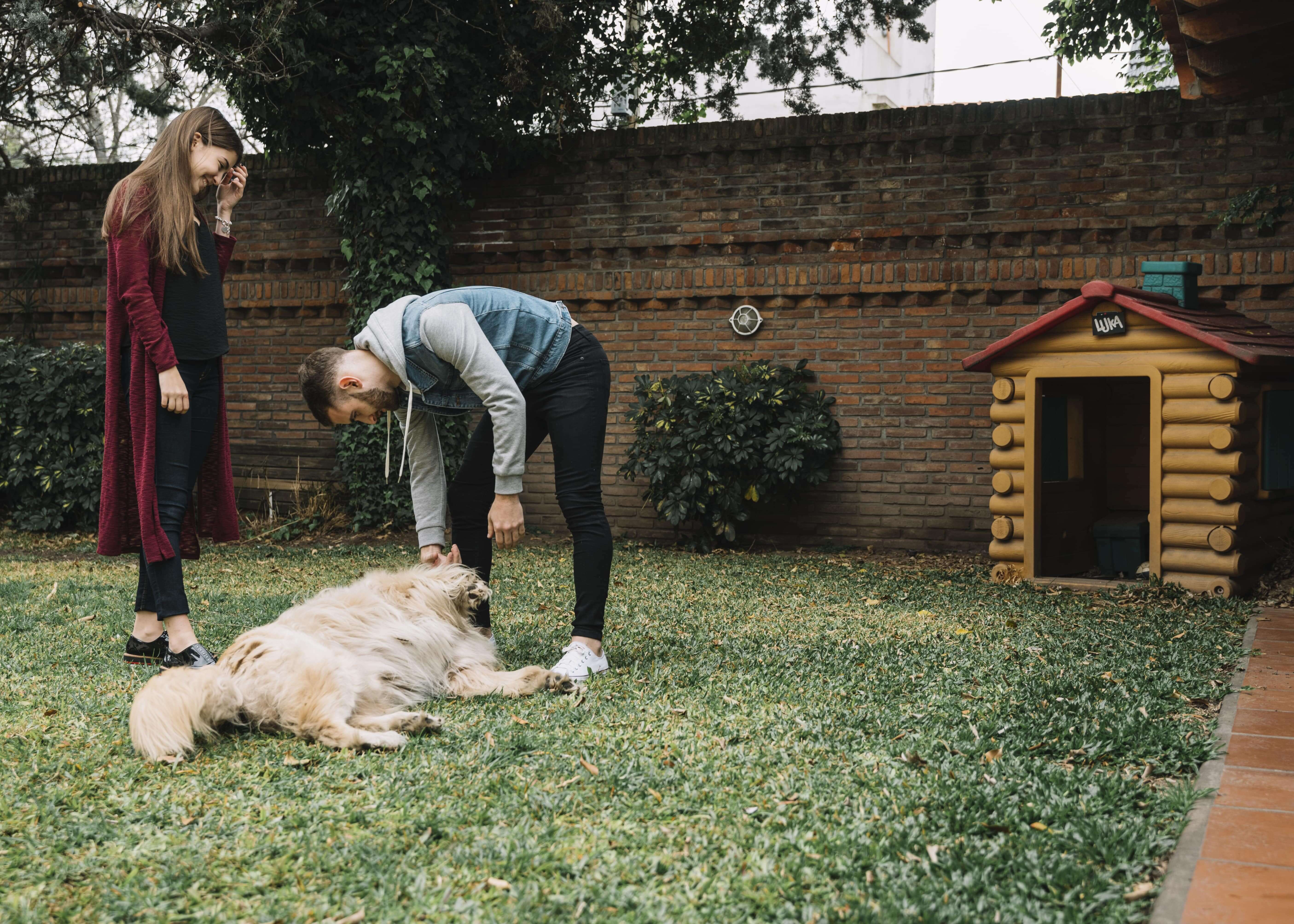
Dogs, especially puppies, explore the world with their mouths. Electrical cords, toxic plants, small objects, cleaning supplies, medications, and chocolate are all dangers lurking in typical homes. One mistake can result in a $2,000 emergency vet bill or worse.
Before bringing your dog home, walk through each room at their eye level. Move or secure anything they could chew, swallow, or knock over. Common hazards include:
- Electrical cords and chargers (secure them or use cord covers)
- Houseplants (many are toxic to dogs, research yours)
- Human food, especially chocolate, grapes, onions, and xylitol
- Medications and vitamins (even childproof caps don't stop determined dogs)
- Cleaning supplies and chemicals under sinks
- Small objects like coins, rubber bands, and children's toys
- Trash cans (invest in secure, dog-proof ones)
Crate training helps immensely. When you can't supervise your dog directly, the crate keeps them safe. It's not punishment, it's a den where they can relax without getting into trouble.
7. Socialization Has a Critical Window
Puppies have a socialization period between 3 and 14 weeks old. During this window, positive experiences shape their adult temperament. Puppies exposed to different people, dogs, environments, sounds, and situations during this time grow into confident, well-adjusted adults.
Miss this window, and you risk having a fearful or aggressive dog. Socialization after 14 weeks is still possible but much harder. Dogs that aren't properly socialized often develop anxiety, reactivity, and aggression issues that require extensive behavioral training to fix.
Safely expose your puppy to: different types of people (children, elderly, people in hats, people in wheelchairs), other friendly dogs (but only after initial vaccinations), various surfaces (grass, gravel, tile, stairs), household sounds (vacuum, doorbell, TV), and car rides. Puppy socialization classes are invaluable for this.

8. Your Lifestyle Must Match Your Dog's Needs
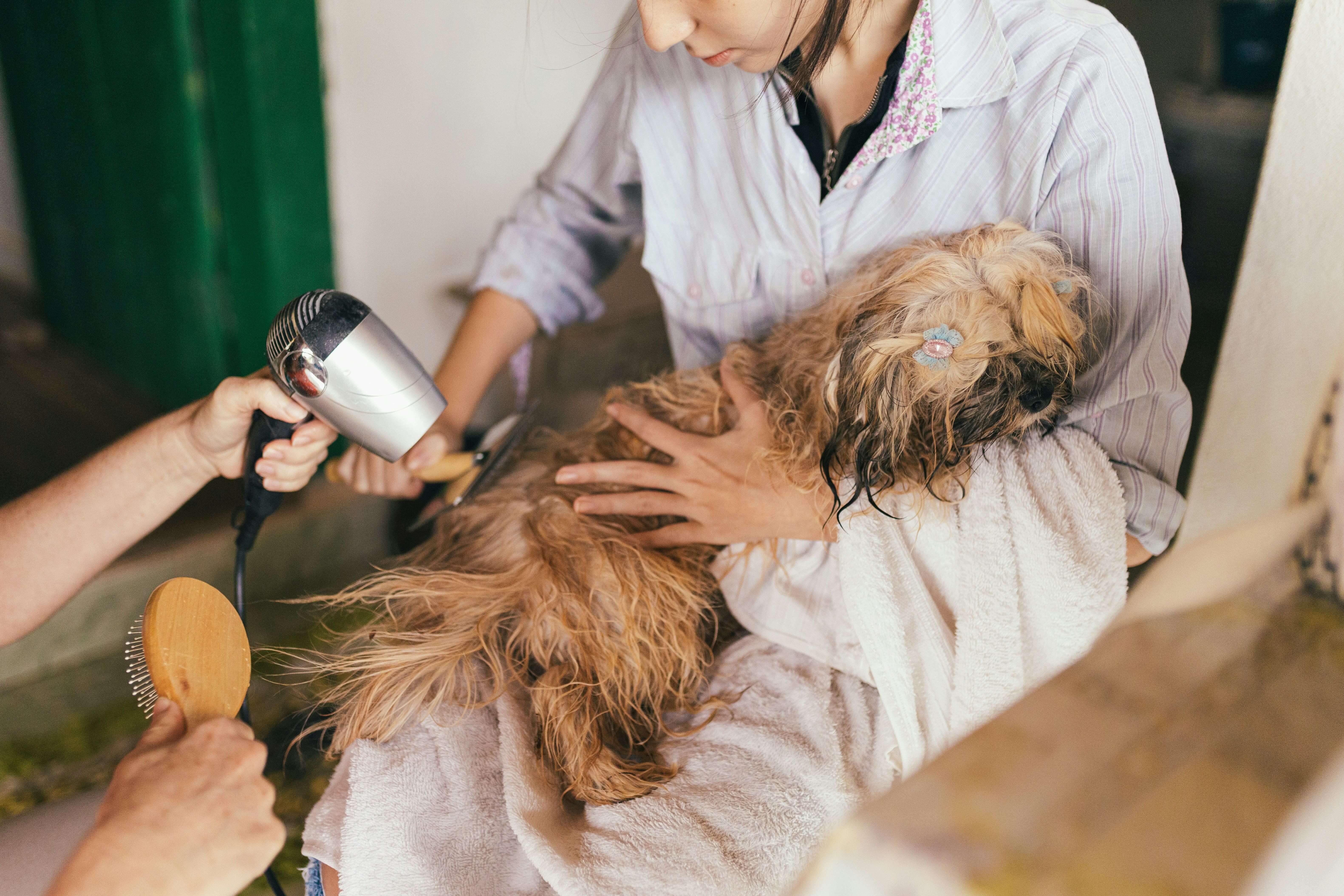
Before getting a dog, be very honest with yourself about how you live. Do you work 12 hours a day? Don't get a puppy that needs your attention all the time. Do you live in a studio apartment? Don't get the Great Dane. Hate getting your hair done? Stay away from Poodles and Shih Tzus that need to be groomed by a professional every six weeks.
Consider these lifestyle factors:
- Work Schedule: Puppies need bathroom breaks every 2-3 hours. Adult dogs can hold it longer but still need attention and exercise.
- Living Space: Size matters less than energy level. A lazy Great Dane adapts to apartments better than a hyper Jack Russell.
- Activity Level: Match your dog's energy to yours. Don't get a marathon runner when you're a couch potato.
- Allergies: No dog is truly hypoallergenic, but low-shedding breeds produce less dander.
- Travel Frequency: Frequent travelers need reliable pet sitters or boarding options, which adds cost.
Adopting an adult dog instead of a puppy can solve some lifestyle mismatches. Adult dogs are often already house-trained, past the destructive chewing phase, and their personality is fully formed so there are no surprises about size or temperament.
9. Time Commitment Is Bigger Than You Think
Dogs aren't independent like cats. They need daily interaction, exercise, training, grooming, and care. Budget 2-4 hours per day for dog-related activities. This includes walks, playtime, feeding, training sessions, and just hanging out together.
Puppies need even more time. During the first few months, they need constant supervision, regular potty breaks, and ongoing training. You can't leave a puppy alone for eight hours. You'll have to work full-time if you want to need dog walkers or daycare in the middle of the day, which costs a lot.
Your social life changes too. Spontaneous happy hours, weekend trips, and late nights out become complicated. You can't just crash at a friend's place overnight. Every decision involves considering your dog's needs. Some people embrace this change, others resent it. Know which type you are before committing.
10. Planning Tools Help You Avoid Costly Surprises
The most common mistakes that new dog owners make are not being ready for the costs and thinking they are more ready than they really are. This is where planning tools really come in handy. You shouldn't guess; Get real numbers that fit your situation.
Before you bring your dog home, use calculators to estimate:
- Adoption and First-Year Costs: Know exactly what you'll spend upfront and in the first 12 months
- Monthly Food Expenses: Feeding costs vary dramatically based on size and food quality
- Exercise Requirements: Understand daily activity needs before choosing a breed
- Growth Projections: If adopting a puppy, know how big they'll get to plan accordingly
- Vaccination Schedule: Track important vet appointments and preventive care
These tools don't replace veterinary advice or professional training, but they provide a realistic foundation for planning. They help you make informed decisions instead of emotional ones you might regret later.

Frequently Asked Questions
How much does it really cost to own a dog in the first year?
First-year costs typically range from $2,000 to $3,500 depending on dog size and where you live. This includes adoption fees ($50-$500), initial vet visits and vaccinations ($300-$500), spaying/neutering ($200-$500), supplies like crate, bed, bowls, and toys ($300-$600), food ($300-$1,000), training classes ($150-$300), and building an emergency vet fund. Use our adoption cost calculator to get specific estimates based on your situation.
What's the easiest dog breed for first-time owners?
Golden Retrievers, Labrador Retrievers, and Cavalier King Charles Spaniels are always at the top of the list of best breeds for beginners. They're friendly, easy to train, and don't hold grudges against beginners. errors. Don't get a high-energy or stubborn breed like a Husky, Jack Russell Terrier, or Belgian Malinois unless you're ready to spend a lot of time training and exercising them.
Should I adopt a puppy or an adult dog as a beginner?
Adult dogs are often easier for beginners. They're usually house-trained, past the destructive puppy phase, and their personality is fully developed so you know what you're getting. Puppies require more time, patience, and training but offer the advantage of bonding from a young age and shaping their behavior from the start. Consider your schedule and lifestyle when deciding.
How long can I leave my dog alone at home?
Most adult dogs can be left alone for 6 to 8 hours at a time, but this depends on the breed and the dog's personality. Depending on their age in months, puppies need to go to the bathroom every two to three hours. If If you work full-time, you might want to think about getting a dog walker to take your dog out for breaks or sending your dog to daycare. Leaving dogs alone for long periods of time often makes them anxious, causes them to act out, and slows down their house training.
Do I really need pet insurance or can I just save money instead?
Both approaches work, but pet insurance offers more immediate protection. Emergency surgeries can cost $3,000-$7,000, which takes years to save. Insurance costs $30-$70 monthly depending on coverage and pays out after deductibles are met. Alternatively, deposit $50-100 monthly into a dedicated savings account. The key is having some financial plan for emergencies, because they will happen eventually.
Final Thoughts: You're More Ready Than You Think
This guide will help you get ahead of most first-time dog owners. The fact that you're looking into it and getting ready shows that you want to do it right. Are you going to make mistakes? Of course. Every person who owns a dog does. But getting ready helps you avoid those mistakes and deal with problems when they come up.
The most important thing is matching your expectations to reality. Dogs bring incredible joy, companionship, and love into your life. They also bring responsibility, expense, and lifestyle changes. If you go in with open eyes and proper planning, the rewards far outweigh the challenges.
Take your time picking the right dog for you. Make use of the planning tools you have. Speak with people who have owned dogs for a long time. Go to shelters and meet the dogs in person. When you finally get your dog When you get home, you'll know you made the right choice because you thought about it carefully and not just with your heart.
Welcome to the amazing world of dog ownership. Your life is about to get messier, more expensive, and infinitely better.
Ready to Start Planning for Your New Dog?
Use our free calculators to estimate costs, choose the right breed, and plan your dog's care with confidence. All tools are free, no signup required.