Smartest Dog Breeds Ranked – Based on Intelligence Tests
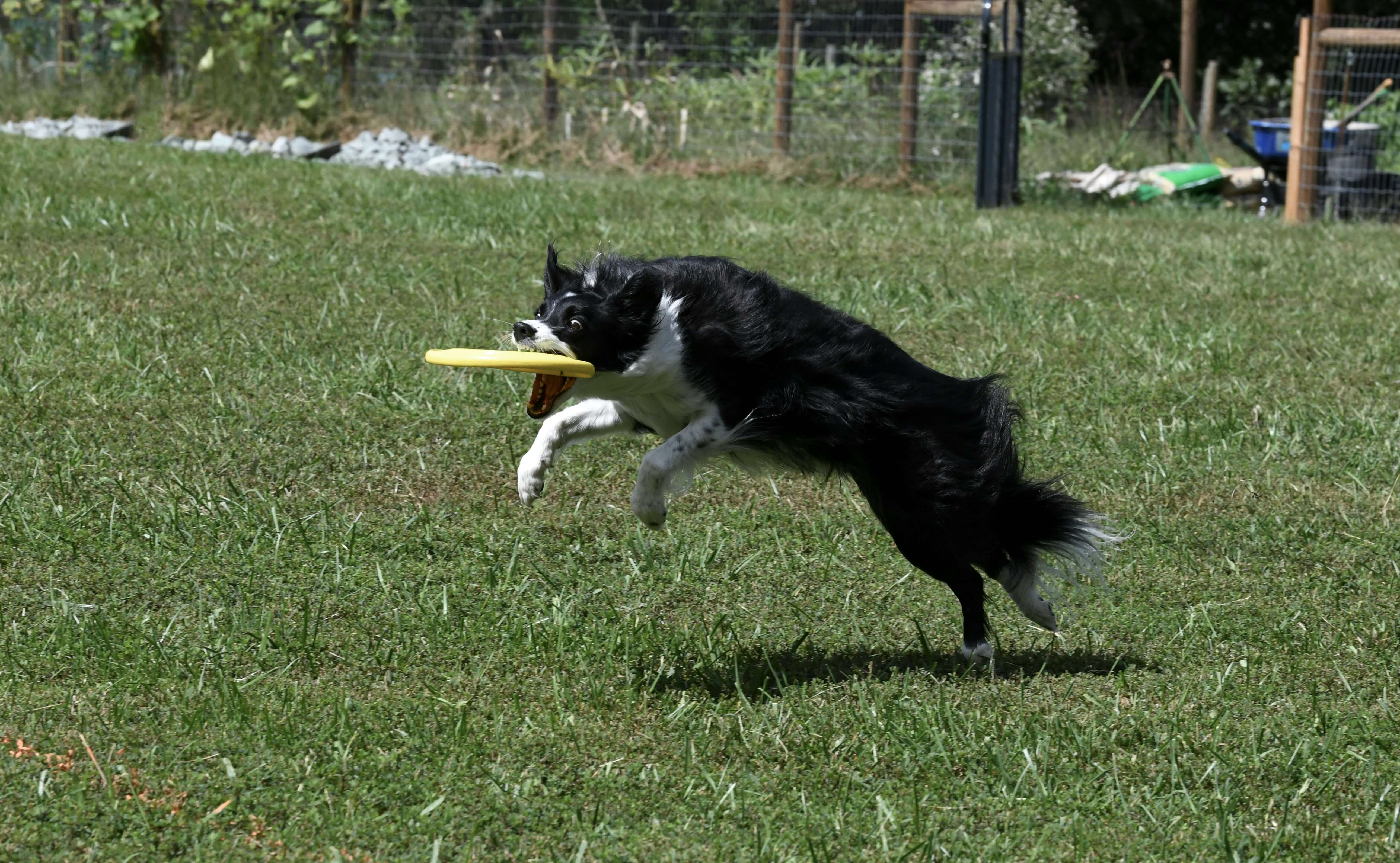
When I got my Border Collie, everyone told me I picked the smartest breed. They were right, but not in the way I expected. Yes, she learned commands faster than any dog I'd ever met. But her intelligence also meant she outsmarted every baby gate, figured out how to open doors, and got bored easily without constant mental stimulation. Smart doesn't always mean easy.
This comprehensive guide ranks dog breeds by intelligence based on scientific research and standardized testing. You'll learn what canine intelligence actually means, how it's measured, which breeds consistently rank highest, and most importantly, whether a highly intelligent breed is the right fit for your lifestyle. Intelligence isn't the only factor that matters when choosing a dog.
Quick Overview: Dog Intelligence Rankings
- Border Collies rank #1 in working intelligence tests
- Intelligence includes obedience, problem-solving, and adaptability
- Top 10 smartest breeds learn new commands in under 5 repetitions
- Working breeds dominate intelligence rankings
- Smart dogs need significant mental stimulation
- High intelligence can mean training challenges for beginners
- Independent breeds score lower but aren't less intelligent
- Right breed depends on your lifestyle, not just IQ
What Makes a Dog Intelligent?
Dog intelligence isn't one-dimensional. Canine psychologist Dr. Stanley Coren identified three types of dog intelligence in his groundbreaking research:
Working and Obedience Intelligence
This measures how quickly a dog learns commands and how well they follow them. It's the most commonly tested form of intelligence and the basis for most breed rankings. Dogs with high working intelligence learn new commands in fewer than five repetitions and obey first commands 95% of the time or better.
Border Collies, Poodles, and German Shepherds excel here. They're bred to work closely with humans and take direction. This is the intelligence most people think of when they call a dog "smart."
Adaptive Intelligence
This is problem-solving ability - how well a dog learns from experience and figures things out independently. A dog with high adaptive intelligence might learn to open doors, find hidden treats, or navigate complex situations without being taught.
My Border Collie's adaptive intelligence is simultaneously impressive and frustrating. She figured out our door handles within days, learned to open the refrigerator, and solves puzzle toys in minutes that should take most dogs much longer.
Instinctive Intelligence
This refers to the skills a dog is bred for. Herding breeds instinctively herd, retrievers naturally fetch and carry, and hounds track scents without training. These are genetic abilities passed down through generations of selective breeding.
A Bloodhound might score lower on obedience tests but possesses extraordinary instinctive intelligence for scent tracking. Intelligence rankings typically focus on working and obedience intelligence, which can unfairly categorize some breeds as "less smart" when they're simply intelligent in different ways.

Top 10 Smartest Dog Breeds (Ranked)
Based on Dr. Stanley Coren's research and testing of over 200 professional dog obedience judges, here are the breeds that consistently demonstrate the highest working and obedience intelligence:
Top 10 Smartest Dog Breeds Intelligence Rankings
| Rank | Breed | Intelligence Level | Training Difficulty |
|---|---|---|---|
| #1 | Border Collie | Exceptional | High (needs experts) |
| #2 | Poodle (All Sizes) | Exceptional | Moderate |
| #3 | German Shepherd | Exceptional | Moderate-High |
| #4 | Golden Retriever | Excellent | Low (beginner-friendly) |
| #5 | Doberman Pinscher | Excellent | Moderate-High |
| #6 | Shetland Sheepdog | Excellent | Moderate |
| #7 | Labrador Retriever | Excellent | Low (beginner-friendly) |
| #8 | Papillon | Very High | Moderate |
| #9 | Rottweiler | Very High | Moderate-High |
| #10 | Australian Cattle Dog | Very High | High |
1. Border Collie
Intelligence rank: #1
Border Collies are universally recognized as the smartest dog breed. Bred to herd sheep in the Scottish borders, they learn new commands in under five repetitions and obey first commands 95% of the time. Their intense focus, work drive, and problem-solving abilities are unmatched.
The downside? They need 2+ hours of physical and mental exercise daily. A bored Border Collie becomes destructive, anxious, and develops behavioral problems. They're not beginner dogs despite their trainability because their intelligence demands constant engagement.
2. Poodle (All Sizes)
Intelligence rank: #2
Standard, Miniature, and Toy Poodles all demonstrate exceptional intelligence. Originally bred as water retrievers, Poodles combine obedience intelligence with impressive problem-solving skills. They excel in all dog sports from obedience to agility to scent work.
Poodles are more adaptable to various lifestyles than Border Collies, but they still need mental stimulation and regular training. Their intelligence makes them easy to train but also means they get bored with repetitive tasks.
3. German Shepherd
Intelligence rank: #3
German Shepherds combine intelligence with loyalty and protectiveness, making them ideal police, military, and service dogs. They learn complex tasks quickly and retain training for life. Their working intelligence paired with strong instincts makes them exceptional working partners.
However, German Shepherds need experienced owners who can provide firm, consistent leadership. Their intelligence means they quickly learn both good and bad behaviors, and they require extensive socialization to prevent overprotective tendencies.
4. Golden Retriever
Intelligence rank: #4
Golden Retrievers balance high intelligence with gentle, eager-to-please temperaments. They excel as service dogs, therapy dogs, and family companions. Their trainability combined with patience makes them excellent for first-time owners who want an intelligent dog.
Goldens learn quickly but are more forgiving than some smarter breeds. They're happy to repeat tasks and don't get frustrated easily, making training enjoyable for both dog and owner.
Pro Tip: Choosing the right breed involves more than intelligence. Use our dog breed selector tool to match breeds to your lifestyle, experience level, and living situation. The smartest breed isn't always the best fit.
5. Doberman Pinscher
Intelligence rank: #5
Dobermans are highly intelligent, alert, and loyal. Originally bred as guard dogs, they learn quickly and assess situations intelligently. They need consistent training and mental stimulation but are easier to manage than Border Collies for experienced owners.
6. Shetland Sheepdog
Intelligence rank: #6
Shelties are essentially small Border Collies in temperament and intelligence. They're highly trainable, excel in agility and obedience, and are more suited to smaller living spaces than their larger cousins. They need mental stimulation but in slightly more manageable doses.
7. Labrador Retriever
Intelligence rank: #7
Labs combine intelligence with enthusiasm and food motivation, making them highly trainable. They're America's most popular breed partly because their intelligence is paired with a forgiving, adaptable temperament. Great for families and first-time owners who want a smart but manageable dog.
8. Papillon
Intelligence rank: #8
This tiny breed surprises people with its intelligence. Papillons excel in obedience and agility despite their small size. They learn quickly, are highly trainable, and prove that intelligence isn't correlated with size.
9. Rottweiler
Intelligence rank: #9
Rottweilers are intelligent, confident, and protective. They learn commands quickly and have excellent instincts for guarding and protection work. They need experienced owners who can provide consistent leadership and proper socialization.
10. Australian Cattle Dog
Intelligence rank: #10
Cattle Dogs are incredibly smart, energetic, and independent thinkers. They problem-solve brilliantly but can be stubborn. Their intelligence combined with high energy makes them challenging for inexperienced owners but excellent for active, dedicated trainers.
Training Timeline for Intelligent Breeds
Basic Commands
- •Sit, stay, come mastered in 1-5 repetitions
- •Immediate response to commands
- •Eager to learn more
Complex Tricks
- •Advanced commands learned
- •Multi-step tricks understood
- •Problem-solving begins
Advanced Tasks
- •Service dog level commands
- •Independent decision making
- •Complex task chains
Continuous Learning
- •Learns without being taught
- •Figures out puzzles independently
- •Requires constant mental challenges
Does Smarter Always Mean Better?
Here's what nobody tells you about highly intelligent dogs: they're often harder to live with than less intelligent breeds. My Border Collie is proof.
Smart Dogs Get Bored Easily
Intelligent dogs need constant mental stimulation. A 30-minute walk isn't enough. They need puzzle toys, training sessions, new challenges, and problem-solving opportunities. Without this, they create their own entertainment, usually by destroying your belongings or escaping your yard.
They Outsmart You
Smart dogs figure out your patterns and exploit weaknesses. They learn to open doors, drawers, and gates. They understand when you're not paying attention. My dog knows exactly when I'm distracted enough for her to steal food from the counter.
Training Never Stops
You can't train a smart dog and be done. They need ongoing training, new tricks, and continued challenges throughout their lives. This is a 10-15 year commitment to active mental engagement, not just basic obedience classes.
Daily Requirements for Intelligent Breeds
Time commitment needed for highly intelligent dog breeds
60 minutes of active exercise
60 minutes of puzzles and training
30 minutes of focused training
50 minutes of engagement
Based on veterinary case studies and clinical research
Pro Tip: Intelligent breeds need significant daily exercise. Use our dog exercise calculator to understand exactly how much physical and mental activity your chosen breed requires. Under-exercised smart dogs develop serious behavioral problems.
Independent Thinkers: The "Less Intelligent" Breeds
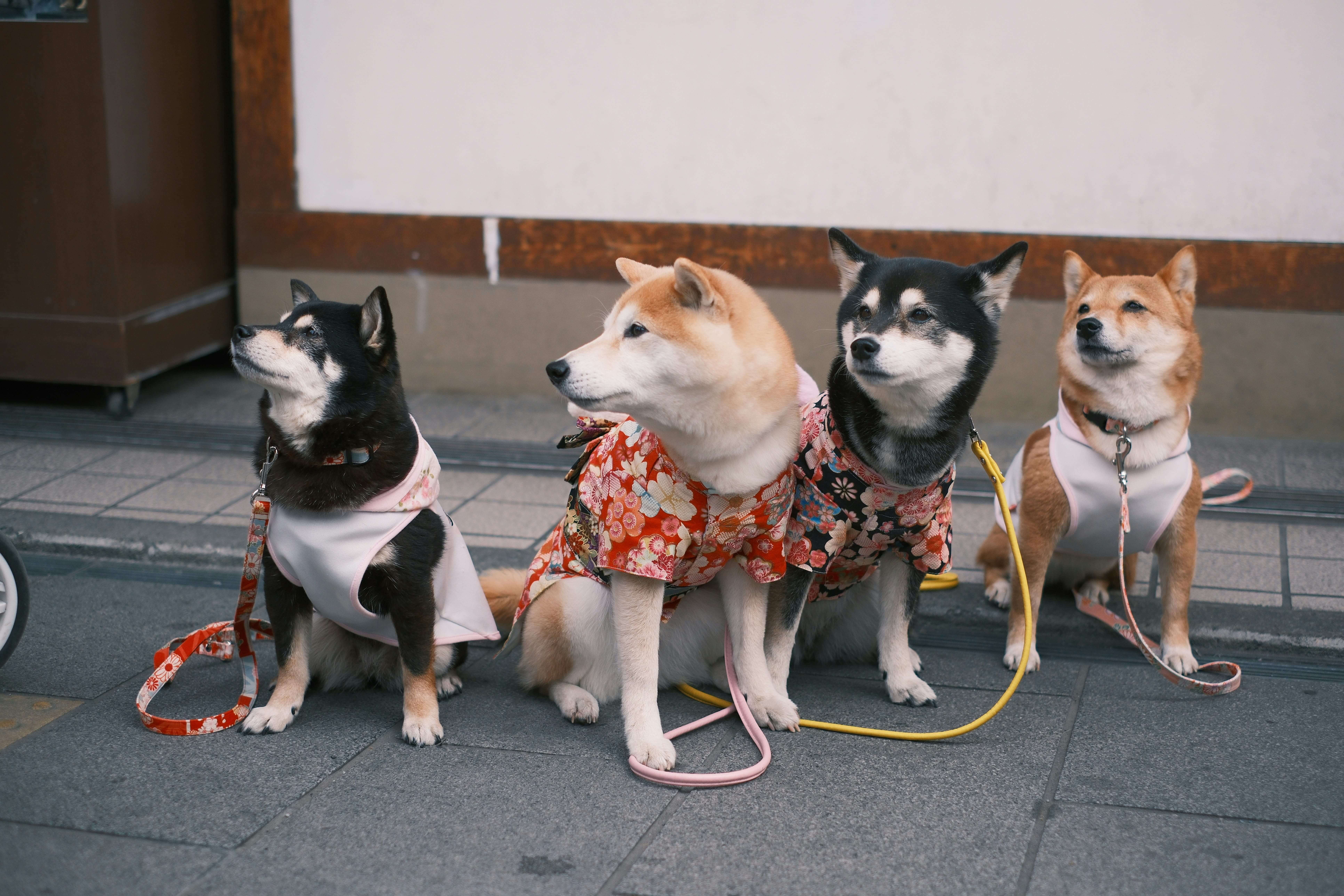
Breeds that rank lower on intelligence tests aren't stupid. They're independent. Hounds, terriers, and many ancient breeds were developed to work without human direction. They make decisions on their own.
Afghan Hound, Basenji, and Beagle
These breeds rank near the bottom of obedience intelligence. But watch a Beagle track a scent or a Basenji problem-solve, and you'll see they're far from dumb. They just prioritize their instincts over your commands.
Afghan Hounds were bred to hunt independently across vast deserts. They don't need humans to tell them what to do. That's not stupidity, it's specialized intelligence that doesn't show up on standard tests.
The Trainability Trade-Off
Less obedient doesn't mean less intelligent. It means less motivated to please you. Some dogs are perfectly capable of learning commands but choose not to obey them consistently. That's independence, not a lack of intelligence.
Choosing the Right Intelligence Level for You
Get a Highly Intelligent Breed If:
- You have 2+ hours daily for training, exercise, and mental stimulation
- You enjoy dog sports, advanced training, or working with your dog
- You want a dog for a specific job (service work, herding, protection)
- You're an experienced dog owner who enjoys challenges
- You have the patience for a dog who might outsmart you
Consider a Less Intelligent Breed If:
- You want a companion, not a working partner
- You have limited time for intensive training
- You're a first-time dog owner
- You prefer a more relaxed, easygoing temperament
- You don't need advanced obedience or complex tricks
Training Tips for Intelligent Breeds
Keep Training Sessions Short and Varied
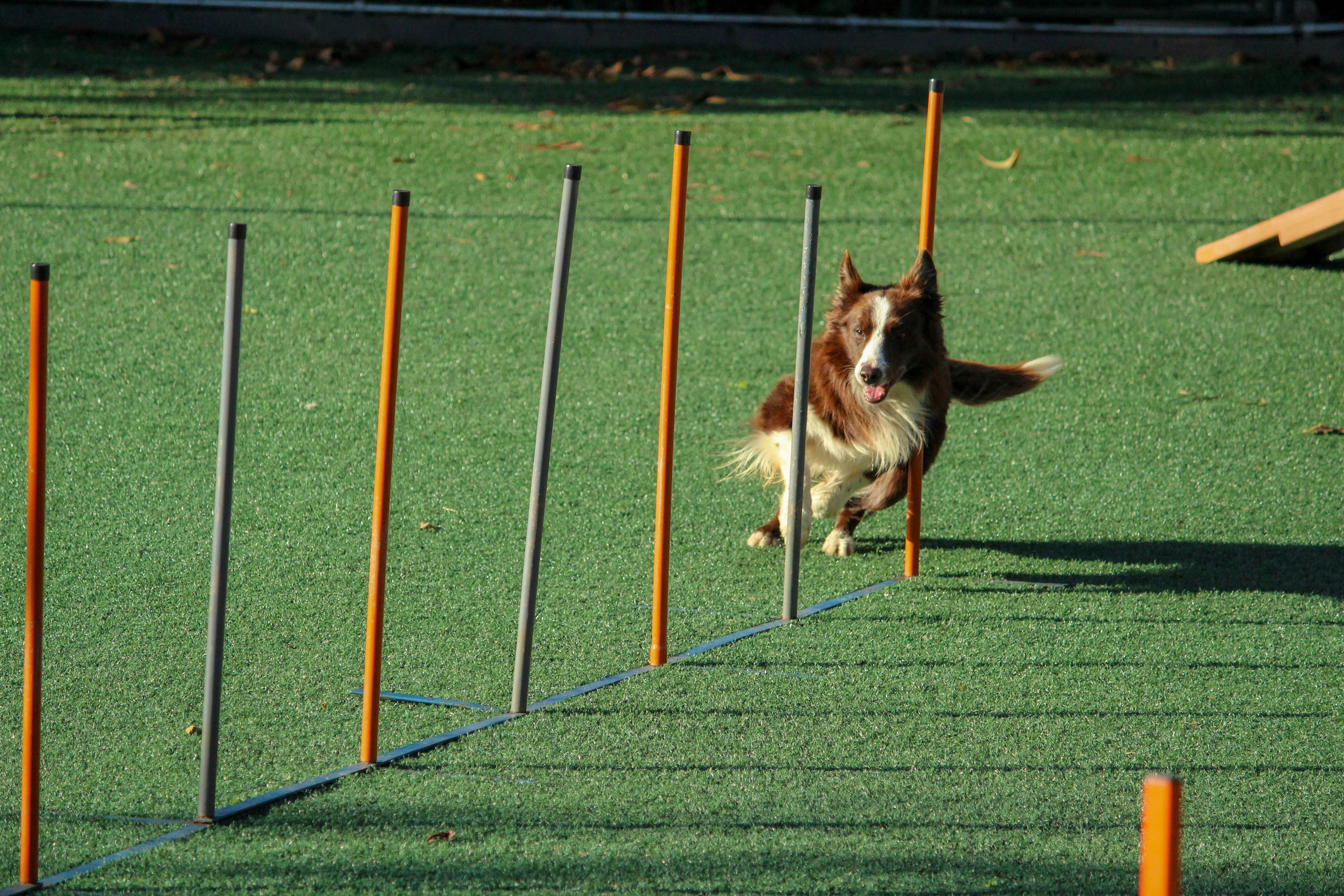
Smart dogs get bored with repetition. Instead of 30-minute sessions doing the same commands, do 5-10 minute sessions with variety. Mix obedience with tricks, problem-solving, and play.
Use Puzzle Toys and Food Dispensers
Mental exercise tires intelligent dogs as much as physical exercise. Puzzle toys, snuffle mats, and food-dispensing toys keep their brains engaged when you can't actively train.
Teach New Tricks Regularly
Don't stop at basic obedience. Teach your smart dog new tricks throughout their life. Learn scent work, agility, tricks, or any dog sport that challenges them mentally.
Prevent Problem Behaviors Early
Smart dogs learn bad behaviors as quickly as good ones. If you laugh when your puppy opens a drawer, they'll remember that forever. Be consistent from day one about what's acceptable.
Pro Tip: Intelligent breeds often have higher care costs due to training classes and mental enrichment needs. Use our dog adoption cost calculator to budget for ongoing training expenses, puzzle toys, and dog sports. Smart dogs are investments in both time and money.
Intelligence vs. Temperament: What Matters More?
After living with an exceptionally intelligent dog, I'd argue that temperament matters more than intelligence for most families. A moderately intelligent dog with a great temperament makes a better pet than a genius dog with a difficult personality.
Consider these factors alongside intelligence:
- Energy level: Can you meet the dog's exercise needs?
- Temperament: Is the breed friendly, aloof, protective, or independent?
- Size: Does the dog fit your living space?
- Grooming needs: Can you afford and manage coat maintenance?
- Health issues: Are you prepared for breed-specific health problems?
A Golden Retriever ranked #4 in intelligence might be a better family pet than a Border Collie ranked #1, simply because their temperament is more forgiving and their energy manageable for the average family.

Frequently Asked Questions
What is the #1 smartest dog breed?
Border Collies consistently rank as the #1 smartest dog breed based on working and obedience intelligence tests. They learn new commands in under 5 repetitions and obey first commands 95% of the time or better. Originally bred to herd sheep, Border Collies possess exceptional problem-solving abilities and intense focus. However, their intelligence requires 2+ hours of daily mental and physical stimulation, making them challenging for inexperienced owners despite their trainability.
Are small dogs less intelligent than large dogs?
No, intelligence isn't correlated with size. Papillons rank #8 in intelligence despite being tiny, outranking many large breeds. Toy and Miniature Poodles demonstrate the same exceptional intelligence as Standard Poodles. Small breeds like Shetland Sheepdogs excel in obedience and agility. Intelligence is determined by breeding purpose and genetics, not physical size. Small dogs can be just as smart, trainable, and capable of complex tasks as their larger counterparts.
Is a smarter dog easier to train?
Not necessarily. While intelligent dogs learn commands faster, they also get bored easily, outsmart training techniques, and develop problem behaviors quickly. A Border Collie learns "sit" in 2 repetitions but might also learn to open your refrigerator without permission. Moderately intelligent breeds with eager-to-please temperaments (like Golden Retrievers) are often easier for beginners because they're forgiving, patient, and don't require constant mental challenges. Smart doesn't always mean easy.
Why do hounds rank low in intelligence tests?
Hounds rank lower on obedience intelligence tests because they're independent thinkers bred to work without human direction. Beagles, Basset Hounds, and Bloodhounds possess extraordinary instinctive intelligence for scent tracking but are less motivated to obey commands. They're not stupid - they simply prioritize their nose over your instructions. Standard intelligence tests measure obedience and working ability, which doesn't reflect the specialized intelligence hounds possess for their original purpose.
Can you make a dog smarter through training?
You can't change a dog's genetic intelligence level, but you can maximize their potential through enrichment and training. Regular mental stimulation, puzzle toys, new learning experiences, and varied training improve cognitive function and problem-solving abilities in all dogs. Early socialization and consistent training from puppyhood develop better learning skills. While you can't turn a Basset Hound into a Border Collie mentally, you can help every dog reach their maximum intelligence potential through proper engagement and education.
Final Thoughts: Choose Smart, But Choose Right
I love my Border Collie, but I wouldn't recommend her breed to most people. She's brilliant, but that brilliance comes with demands most families can't meet. She needs hours of engagement daily. She gets destructive when bored. She's always thinking, always scheming, always needing more.
Intelligence rankings are interesting, but they shouldn't be your primary decision factor. The smartest breed isn't the best breed for everyone. Consider your lifestyle first. How much time do you have for training? What's your experience level? Do you want a working partner or a companion?
A Labrador ranked #7 might be perfect for your family even though a German Shepherd ranked #3 is "smarter." A Beagle ranked near the bottom might bring you more joy than a high-strung Border Collie. Intelligence is just one characteristic in a complex decision.
Choose a dog whose intelligence level matches your commitment level. If you want to train daily, do dog sports, and engage constantly, get a genius breed. If you want a companion who's trainable but not demanding, choose a moderately intelligent breed with a great temperament. There's no wrong choice, only wrong matches between dog and owner.
Find Your Perfect Dog Match
Intelligence is just one factor in choosing the right dog. Use our free tools to find breeds that match your complete lifestyle, budget for care costs, and plan for training needs. All tools are free with no signup required.
Related Articles
Choosing the Right Dog Breed for Your Lifestyle
Complete guide to matching dog breeds with your living situation, activity level, and experience.
10 Things to Know Before Getting a Dog
Essential preparation tips for first-time dog owners to make informed decisions.
Low-Maintenance Dog Breeds for Busy People
Discover dog breeds that fit busy lifestyles with lower exercise and grooming needs.
Dog Vaccination Schedule: Month-by-Month Chart
Complete vaccination timeline for puppies and adult dogs with printable tracking chart.