Why Your Dog is Not Eating – Causes and Quick Fixes
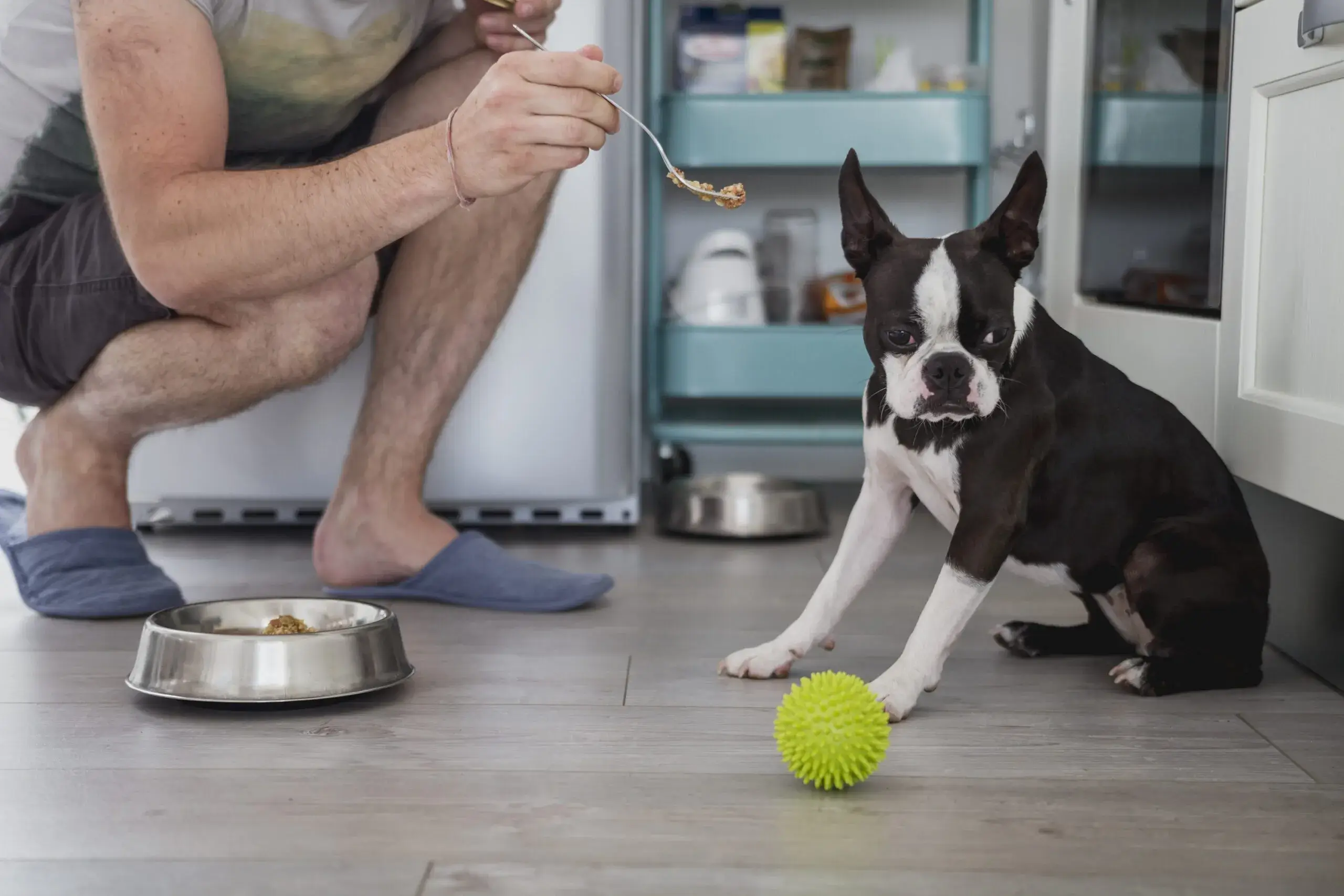
Last Tuesday morning, my Golden Retriever Bailey walked right past her food bowl. Bailey never skips breakfast. I felt that immediate spike of worry every dog owner knows. Is she sick? Did she eat something bad? Should I rush her to the vet? After three years of dog ownership and more than a few scares, I've learned that loss of appetite in dogs can mean many things, from completely harmless to genuinely serious.
This guide breaks down the most common reasons dogs stop eating, how to identify what's causing it, and practical solutions you can try at home. You'll also learn the warning signs that mean it's time to call your vet immediately. Understanding the difference between a picky eater and a sick dog could save your pet's life.
Quick Overview: Why Dogs Stop Eating
- Illness and pain are the most common serious causes
- Stress, anxiety, and environmental changes affect appetite
- Picky eating develops from inconsistent feeding habits
- Dental problems make eating painful for many dogs
- Food quality and freshness matter more than you think
- Medications and vaccinations can temporarily reduce appetite
- Age-related changes affect senior dog eating habits
- Emergency signs require immediate veterinary attention
Common Causes of Appetite Loss in Dogs
Percentage breakdown based on veterinary case studies
Most common - requires veterinary attention
Can be addressed with training and consistency
Temporary - usually resolves within days
Easy fix - check storage and expiration
Various minor factors
Based on veterinary case studies and clinical research
Medical Reasons Your Dog Won't Eat
When a normally food-motivated dog suddenly refuses to eat, illness is the first thing to consider. Dogs instinctively hide pain and sickness, so loss of appetite is often your earliest clue that something is wrong.
Gastrointestinal Issues
Upset stomach, nausea, and digestive problems are leading causes of appetite loss. Your dog might have eaten something they shouldn't have - garbage, spoiled food, toxic plants, or foreign objects. Even stress can cause stomach upset in sensitive dogs.
Signs to watch for beyond not eating: vomiting, diarrhea, excessive drooling, lip smacking, gulping, or obvious discomfort after eating. If your dog refuses food but drinks water normally and seems relatively comfortable, it might resolve on its own within 24 hours. Persistent symptoms need veterinary attention.
More serious gastrointestinal issues include pancreatitis, inflammatory bowel disease, gastroenteritis, and intestinal blockages. These conditions cause severe appetite loss along with other symptoms like lethargy, fever, or abdominal pain. Don't wait more than 24-48 hours if your dog refuses all food.
Dental Disease and Mouth Pain
Dogs with dental problems want to eat but physically can't without pain. I learned this the hard way with Bailey. She approached her food bowl, sniffed it, then walked away. I thought she was being picky until I noticed her pawing at her mouth. Turned out she had a cracked tooth.
Dental disease affects 80% of dogs over age three. Symptoms include bad breath, drooling, dropping food while eating, chewing on one side of the mouth, or showing interest in food but not eating it. Check your dog's teeth and gums. Red, swollen gums, visible tartar buildup, loose teeth, or bleeding are signs of dental problems.
Other mouth issues include cuts, burns from hot food, foreign objects stuck in teeth or gums, oral tumors, or infections. If you suspect mouth pain, schedule a vet exam. Dental disease doesn't improve on its own and causes significant suffering.
Infections and Systemic Illness
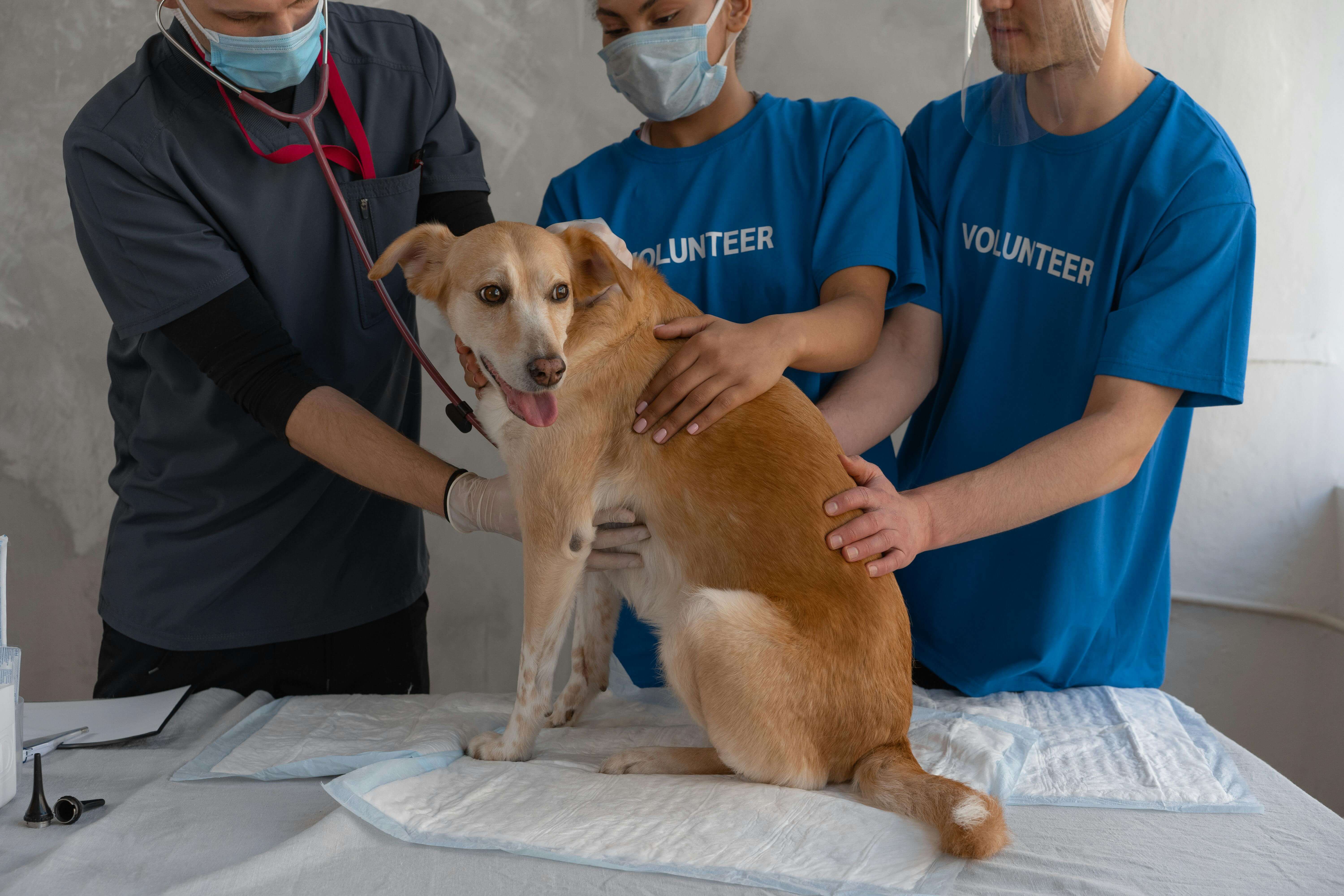
Bacterial, viral, or fungal infections cause appetite loss along with other symptoms. Kennel cough, parvovirus, distemper, leptospirosis, and other infectious diseases make dogs too sick to eat. Puppies and unvaccinated dogs are most vulnerable.
Serious systemic illnesses like kidney disease, liver disease, diabetes, cancer, and heart disease all affect appetite. These conditions develop gradually, so appetite loss might be subtle at first. You might notice your dog eating less over weeks or months rather than stopping suddenly.
Watch for additional symptoms: lethargy, weight loss, increased thirst, changes in urination, vomiting, or behavioral changes. Any combination of these symptoms with appetite loss warrants immediate veterinary examination. Early detection dramatically improves treatment outcomes for serious diseases.
Pain from Injuries or Conditions
Dogs in pain often stop eating. Arthritis, hip dysplasia, back problems, injuries, or post-surgical pain can all reduce appetite. If your senior dog suddenly shows less interest in food, pain might be the culprit. Similarly, if your dog recently injured themselves or had surgery, pain medication timing might need adjustment.
Pro Tip: Planning for unexpected vet visits? Use our dog adoption cost calculator to estimate annual veterinary expenses and build an emergency fund. Appetite loss often requires diagnostic testing like bloodwork and x-rays, which can cost $200-600 depending on the issue.
Medical Causes: Quick Reference Guide
| Condition | Key Symptoms | Urgency | Action |
|---|---|---|---|
| Gastrointestinal Upset | Vomiting, diarrhea, drooling | Medium | Monitor 24hrs, vet if persists |
| Dental Disease | Pawing mouth, bad breath, dropping food | Medium | Schedule dental exam |
| Pancreatitis | Severe vomiting, hunched posture, pain | High | Emergency vet visit |
| Intestinal Blockage | No bowel movements, bloating, straining | Critical | Immediate emergency care |
| Kidney/Liver Disease | Increased thirst, weight loss, lethargy | High | Bloodwork and vet exam ASAP |
| Infection (Parvo, etc) | Fever, lethargy, bloody stool | Critical | Emergency vet immediately |
Behavioral and Environmental Causes
Not all appetite loss means illness. Dogs are creatures of habit and emotional beings. Changes in their environment, routine, or emotional state can significantly impact their desire to eat.
Stress and Anxiety
Stress suppresses appetite in dogs just like it does in humans. Common stressors include moving to a new home, new family members (babies or pets), construction noise, thunderstorms, fireworks, boarding kennels, or changes in the household routine.
When Bailey stopped eating last year, I realized it coincided with me starting a new job with different hours. Dogs pick up on our stress and schedule changes more than we realize. She was anxious about the disrupted routine. Once I established consistent feeding times again, her appetite returned within three days.
Separation anxiety commonly causes appetite loss. Dogs with separation anxiety often won't eat when left alone but eat normally when their owner is home. If your dog only skips meals during your absence, anxiety management training might help more than changing food.
Picky Eating from Bad Habits
Some dogs aren't sick, they're spoiled. I'll admit it, I created Bailey's picky eating phase myself. She refused her kibble one morning, so I added chicken. The next day she refused plain kibble again, waiting for chicken. Before I knew it, she wouldn't eat unless I added something special.
Dogs learn fast. If refusing food gets them something better, they'll keep refusing. Frequently switching foods, adding toppers, or hand-feeding teaches dogs that holding out pays off. The solution is consistency and tough love, which I'll cover in the solutions section.
However, make sure you're not mistaking genuine food issues for pickiness. Some dogs have food sensitivities, allergies, or simply dislike certain proteins or textures. The difference is a picky dog will eventually eat when hungry enough, while a dog with food issues might actually get sick from certain ingredients.

Too Many Treats and Snacks
If your dog gets lots of treats, table scraps, or training rewards throughout the day, they might simply be full at mealtime. This is especially common in small dogs where a few treats represent a significant portion of their daily calorie needs.
Calculate your dog's daily calorie requirements and track everything they eat for a few days. You might discover they're getting 30-40% of their calories from treats, leaving them too full for actual meals. Treats should make up less than 10% of daily calories.
Pro Tip: Not sure how much to feed your dog? Use our dog food calculator to determine the right daily portions based on your dog's weight, age, and activity level. Overfeeding or underfeeding both contribute to appetite problems.
Food Quality and Freshness Issues
Dogs have a sense of smell 10,000-100,000 times better than ours. They can detect when food is stale, rancid, or has gone bad long before we notice. If you're using the same bag of kibble for months, the fats can oxidize and taste off to your dog even if it's technically still good.
Store dry dog food in an airtight container in a cool, dry place. Buy bags you can finish within 4-6 weeks of opening. Check expiration dates. Wet food shouldn't sit out more than 20-30 minutes. If your dog sniffs their food and walks away, the food itself might be the problem, not your dog.
Food recalls happen more often than most owners realize. If your dog suddenly refuses a food they previously loved, check FDA and manufacturer websites for recalls. Contaminated food can make dogs sick and create food aversions that last long after the issue is resolved.
Other Common Reasons for Appetite Loss
Medication Side Effects
Many medications cause nausea or appetite changes as side effects. Antibiotics, pain medications, chemotherapy drugs, and certain heart medications commonly reduce appetite. Recent vaccinations can also cause temporary appetite loss for 24-48 hours.
If your dog started refusing food after beginning new medication, contact your vet. Don't stop medication without veterinary guidance, but they might adjust the dose, change the timing, or prescribe anti-nausea medication to help.
Age-Related Changes
Senior dogs often eat less than they did in their youth. Their metabolism slows, they're less active, and they simply need fewer calories. Their sense of smell and taste also decline with age, making food less appealing.
Puppies can be inconsistent eaters during growth phases. They might eat ravenously one week and pick at food the next. As long as they're gaining weight appropriately and staying energetic, fluctuating appetite is usually normal.
However, sudden or dramatic appetite loss at any age warrants attention. Gradual decrease in senior dogs is normal. Refusing food entirely is not.
Weather and Temperature
Hot weather naturally suppresses appetite in dogs. During summer heat waves, many dogs eat less, especially at midday. This is normal as long as they're drinking plenty of water and eating reasonably at cooler times of day. Offer meals early morning or late evening when temperatures drop.
Quick Fixes and Solutions to Try at Home
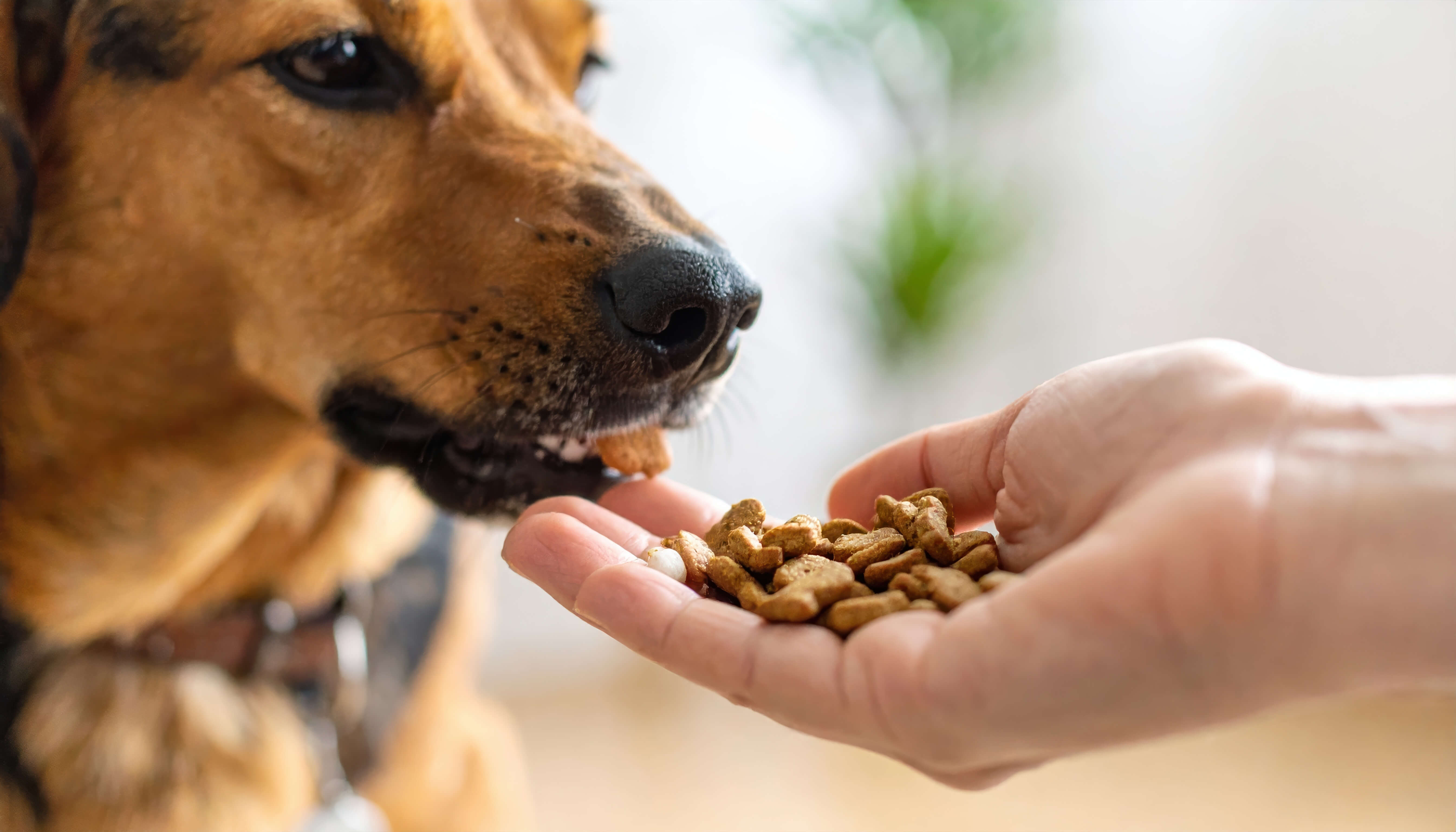
If your dog has skipped one or two meals but otherwise seems normal (no vomiting, diarrhea, or lethargy), try these strategies before panicking.
The 15-Minute Rule
Put food down and give your dog 15 minutes to eat. If they don't eat, pick the food up and don't offer anything until the next scheduled meal. No treats, no scraps, no snacks. This teaches dogs that mealtime is mealtime.
This sounds harsh, but healthy adult dogs can easily go 24-48 hours without food. Missing a meal or two won't harm them and often resets picky eating behavior. The key is consistency. Everyone in the household must follow the same rule.
Warm Up the Food
Warming food releases aromas that stimulate appetite. Microwave wet food or kibble with warm water for 10-15 seconds. Don't make it hot, just warm to enhance smell. This works especially well for dogs with reduced sense of smell due to age or illness.
Add Low-Sodium Broth or Warm Water
Mix a few tablespoons of low-sodium chicken or beef broth into kibble. Or simply add warm water to soften the food and release aromas. This simple trick often works with dogs recovering from minor stomach upset or those with decreased appetite.
Increase Exercise Before Meals
A good walk or play session before mealtime increases appetite. Physical activity stimulates metabolism and hunger hormones. Try walking your dog 30-60 minutes before feeding time, then offer food immediately after.
Pro Tip: Make sure your dog is getting adequate exercise for their breed and age. Use our dog exercise calculator to determine optimal daily activity levels. Under-exercised dogs often have reduced appetites and other behavioral issues.
Try Different Food Textures or Proteins
If you've been feeding the same food for months, your dog might be bored. Try a different protein (switch from chicken to beef or fish) or texture (add some wet food to kibble). Sometimes a simple variety is all they need.
When switching foods, do it gradually over 7-10 days to avoid digestive upset. Mix increasing amounts of new food with decreasing amounts of old food daily.
Reduce Stress and Create Calm Feeding Environment
Feed in a quiet area away from other pets, children, or activity. Some dogs feel stressed eating in busy households. If you have multiple dogs, feed them separately to reduce competition and stress.
Elevated food bowls help some dogs with neck or back problems eat more comfortably. Ensure food and water bowls are clean. Some dogs refuse food from dirty bowls.
When to See a Vet Immediately
Some situations require immediate veterinary attention. Don't wait if your dog shows any of these emergency warning signs:
When to Worry: Timeline Guide for Dog Not Eating
Monitor closely, no immediate concern
- •Skipped one meal but otherwise normal
- •Still drinking water regularly
- •Active and playful behavior
- •No vomiting or diarrhea
Watch for additional symptoms
- •Missed 2-3 meals consecutively
- •Slight lethargy or reduced activity
- •Still drinking water
- •Try home remedies (warming food, broth)
Contact your veterinarian
- •No food for full day or more
- •Noticeably less energetic
- •Mild vomiting or diarrhea present
- •Puppies should see vet within 24hrs
Immediate emergency vet visit required
- •Refuses both food AND water
- •Vomiting blood or bloody diarrhea
- •Distended/painful abdomen (bloat)
- •Collapse, weakness, or pale gums
- •Extreme pain or continuous crying
- Refuses food AND water for more than 12-24 hours - Dehydration is dangerous
- Vomiting or diarrhea along with appetite loss - Especially if severe or contains blood
- Extreme lethargy or weakness - Can't stand, won't move, or seems disoriented
- Visible pain, crying, or restlessness - Whining, pacing, can't get comfortable
- Distended or painful abdomen - Could indicate bloat, a life-threatening emergency
- Pale gums, rapid breathing, or collapse - Signs of shock or severe illness
- Sudden appetite loss in puppies - Puppies deteriorate quickly without food
- Weight loss over several weeks - Combined with decreased appetite
Trust your instincts. You know your dog better than anyone. If something feels wrong beyond normal pickiness, call your vet. It's better to have a vet say everything is fine than to wait too long with a serious issue.
Frequently Asked Questions
How long can a dog go without eating before it's dangerous?
Healthy adult dogs can safely go 3-5 days without food, though they shouldn't have to. However, more than 24 hours without eating warrants attention, especially if combined with other symptoms. Puppies, senior dogs, small breeds, and dogs with health conditions should never go more than 12-24 hours without food. If your dog refuses water in addition to food, that's an emergency requiring immediate veterinary care.
Why is my dog not eating but acting normal otherwise?
If your dog seems energetic and normal but won't eat, common causes include picky eating behavior, too many treats, stress from routine changes, food freshness issues, or dental pain. Try the 15-minute rule (put food down for 15 minutes then remove it), warm the food, reduce treats to zero, and ensure the food is fresh. If appetite doesn't return within 48 hours despite seeming otherwise healthy, schedule a vet exam to rule out underlying issues.
Should I force my dog to eat if they refuse food?
No, never force-feed a dog unless specifically instructed by your veterinarian. Force-feeding can cause aspiration pneumonia if food enters the lungs, create food aversions, or cause injury. If your dog needs nutritional support, your vet can prescribe appetite stimulants, recommend high-calorie supplements, or in severe cases, place a feeding tube. For picky eaters, withholding food temporarily (15-minute rule) is safer than force-feeding.
Can stress really make my dog stop eating?
Yes, stress significantly impacts dog appetite. Moving, new pets, new babies, boarding, schedule changes, loud noises, or even owner stress can cause dogs to stop eating temporarily. Stress-related appetite loss usually resolves within 2-4 days once the stressor is removed or the dog adjusts. Create a calm feeding environment, maintain consistent routines, and consider anxiety-reducing strategies like puzzle toys or calming supplements. If stress-induced appetite loss persists beyond a few days, consult your vet.
What home remedies can I try for a dog that won't eat?
Safe home remedies include: warming food to enhance aroma, adding low-sodium broth or warm water to kibble, increasing exercise before meals, trying different protein sources, feeding smaller meals more frequently, reducing all treats and snacks, creating a quiet feeding space, and using the 15-minute rule. Avoid giving human food, dairy products, or anything toxic to dogs. If appetite doesn't improve within 24-48 hours, or if other symptoms appear, see your vet rather than continuing home remedies.
Final Thoughts: Listen to Your Dog
Bailey's appetite scare last week turned out to be nothing serious. She had mild stomach upset from eating grass in the yard. One day of bland food and she was back to normal. But that experience reminded me how quickly worry sets in when your dog stops eating.
The key is knowing your dog's normal behavior and patterns. A dog who occasionally skips breakfast but bounces back by dinner is different from a dog who suddenly refuses all food for days. A dog who turns away from food but stays playful and energetic is different from one who won't eat and seems lethargic.
Pay attention to the whole picture, not just the food bowl. Watch for additional symptoms. Trust your instincts about when something feels wrong. Use the strategies in this guide for mild cases, but don't hesitate to call your vet when you're concerned. Early intervention with serious issues can make the difference between simple treatment and emergency care.
Your dog depends on you to notice when something is off and to get them the help they need. Most appetite issues resolve quickly with simple solutions. The ones that don't are caught early enough to treat successfully when you're paying attention.
Plan for Your Dog's Health and Nutrition
Use our free calculators to ensure you're feeding the right amounts, meeting exercise needs, and budgeting for vet care. All tools are free with no signup required.
Related Articles
Dog Vaccination Schedule
Complete month-by-month vaccination timeline for puppies
Separation Anxiety in Dogs
Natural solutions for dogs with separation anxiety
10 Things to Know Before Getting a Dog
Essential guide for first-time dog owners
Choosing the Right Dog Breed
Match your lifestyle with the perfect dog breed