Separation Anxiety in Dogs – Signs and How to Fix It Naturally
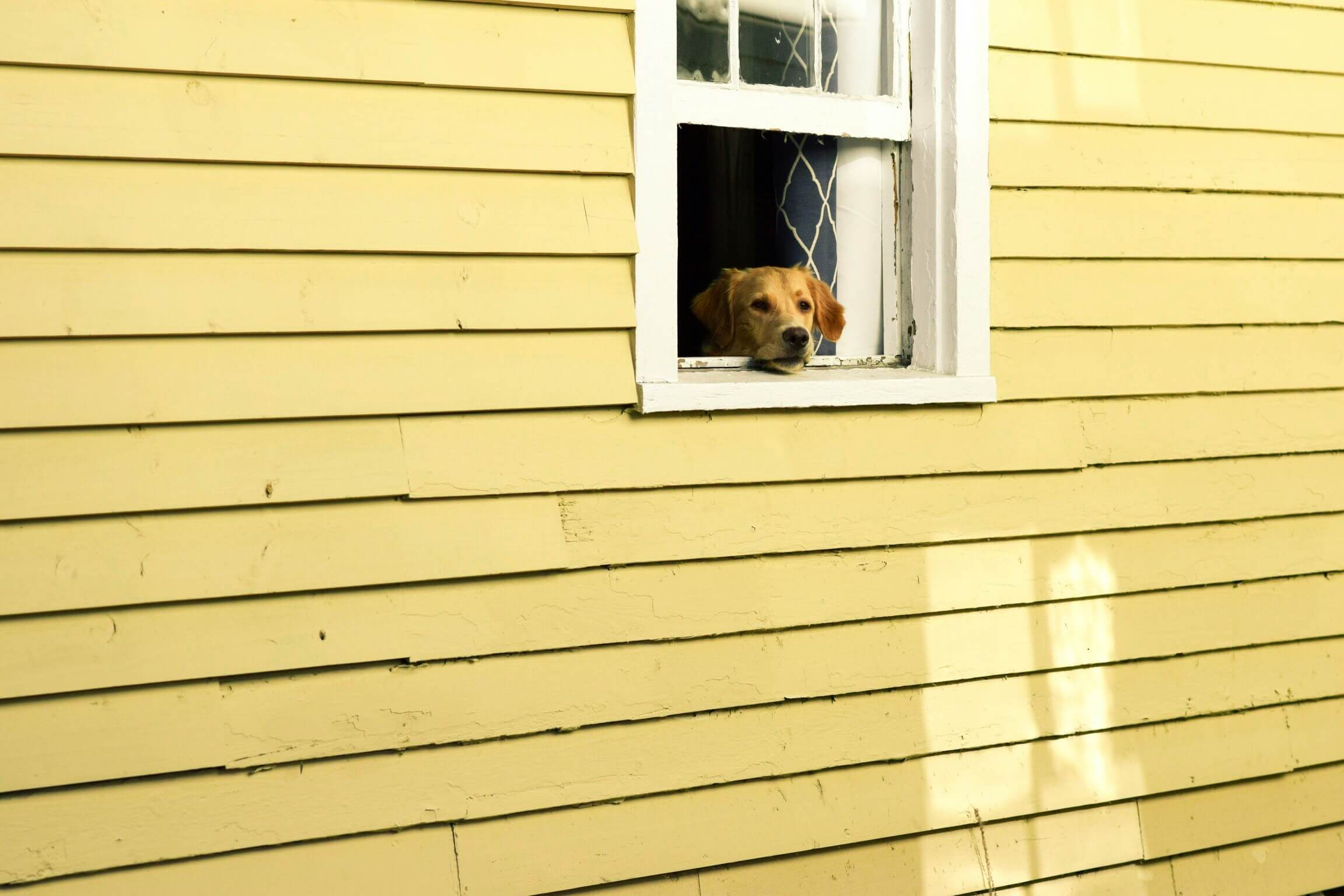
The first time I left my rescue dog Charlie alone, I came home to destruction I didn't think was possible. Scratched doors, chewed baseboards, shredded curtains, and neighbors complaining about three hours of nonstop howling. I thought I adopted a badly behaved dog. Turns out, Charlie was terrified. He had severe separation anxiety, and I had no idea what I was dealing with or how to help him.
This comprehensive guide explains what separation anxiety really is, how to identify the signs, and most importantly, proven natural training methods to help your dog feel calm and secure when you're not home. You don't need expensive behaviorists or medications to make progress. With patience, consistency, and the right approach, most dogs with separation anxiety can dramatically improve.
Quick Overview: Separation Anxiety Essentials
- Separation anxiety is panic, not misbehavior or boredom
- Common signs: destructive behavior, excessive barking, house accidents
- Triggered by predictable departure cues and routines
- Natural solutions include gradual desensitization training
- Crate training can help or hurt depending on approach
- Exercise alone won't fix separation anxiety
- Most dogs improve significantly within 4-8 weeks
- Severe cases may need professional help or medication
What is Separation Anxiety in Dogs?
Separation anxiety is a panic disorder. Your dog isn't being spiteful, destructive, or disobedient. They're experiencing genuine distress and fear when left alone. The destruction, barking, and other behaviors are panic responses, not attempts to punish you for leaving.
Think of it like a panic attack. Your dog's stress hormones spike the moment you leave. Their heart rate increases, they can't think clearly, and they're focused entirely on getting you back or escaping to find you. That's why they scratch doors until their paws bleed or bark for hours without stopping. They're not thinking rationally.
True separation anxiety is different from boredom or lack of training. A bored dog might chew things occasionally or make some noise. An anxious dog shows intense, consistent panic behaviors every single time you leave. The pattern is predictable and the behaviors are extreme.
Signs Your Dog Has Separation Anxiety
Not every destructive dog has separation anxiety. Here's how to tell the difference between anxiety and other behavioral issues.
Clear Warning Signs
Excessive vocalization: Barking, howling, or whining that starts immediately when you leave and continues for extended periods. Neighbors often report the noise because it's loud and relentless. This isn't occasional barking at passing dogs - this is nonstop distress calling.
Destructive behavior focused on exits: Scratching, digging, or chewing specifically at doors, windows, and gates. Charlie destroyed two door frames trying to escape. Dogs with separation anxiety target exit points because they're trying to follow you or get outside to find you.
House accidents despite being house-trained: Urinating or defecating indoors only when you're gone, even though they're fully house-trained otherwise. This happens because anxiety triggers loss of bladder and bowel control. It's involuntary, not spite.
Pacing, drooling, and panting: If you have a camera, you'll see your dog pacing the same path repeatedly, drooling excessively, or panting heavily despite normal temperature. These are physical symptoms of extreme stress.
Pre-Departure Anxiety
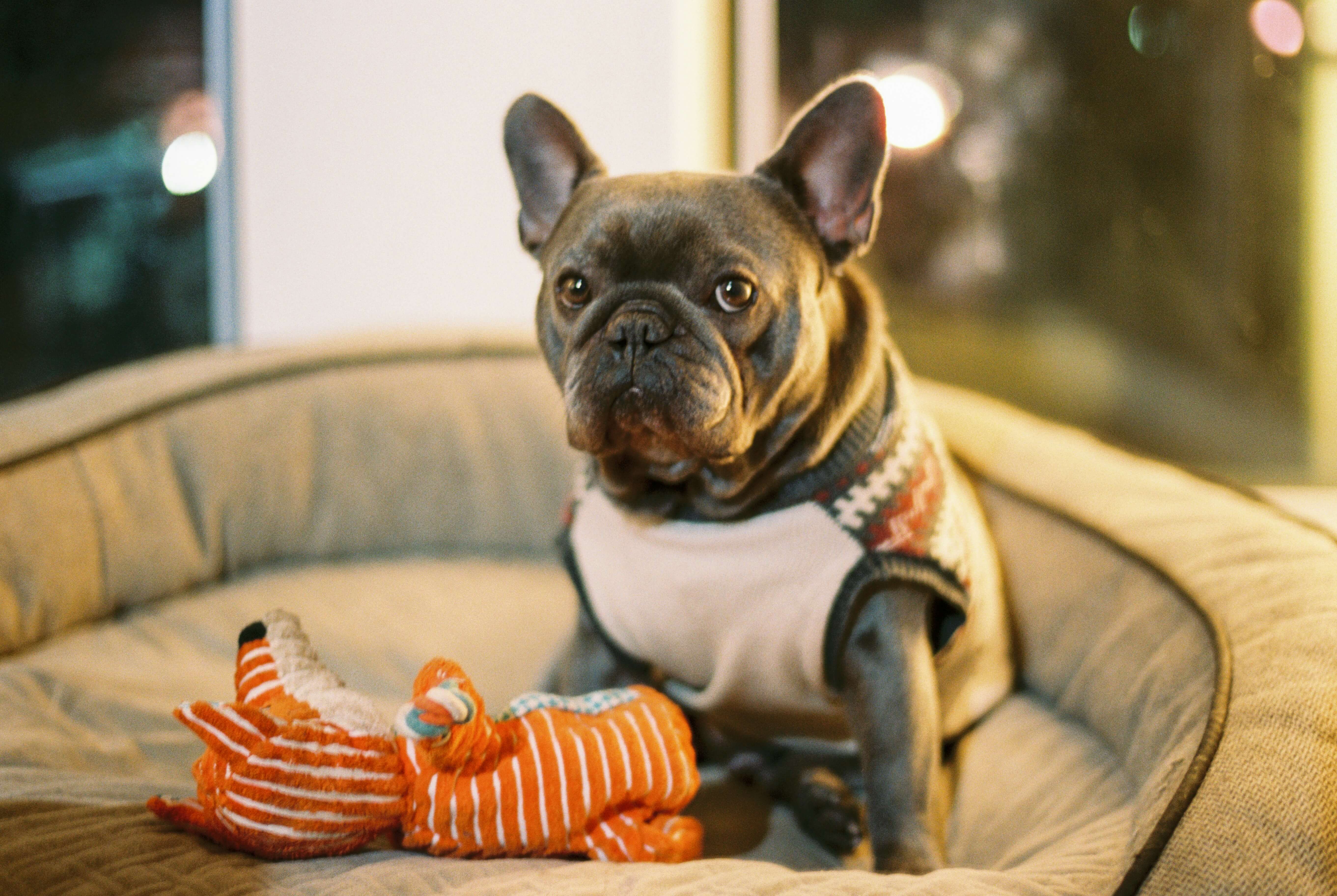
Many dogs with separation anxiety show distress before you even leave. They follow you from room to room as you get ready. They start panting when you pick up your keys. They block the door or try to prevent you from leaving. This pre-departure anxiety is a strong indicator of true separation anxiety.
Charlie would start shaking when I put on my work shoes. He learned my departure routine perfectly and his anxiety would escalate with each step. Dogs are incredibly observant and they recognize the patterns that predict being left alone.
What's NOT Separation Anxiety
Boredom destruction: If your dog only destroys things occasionally, chews random items (not exits), and does it even when you're home, that's boredom or lack of training, not anxiety.
Puppy behavior: Puppies cry when left alone because they're young and haven't learned independence yet. This is normal puppy behavior that improves with age and training. True separation anxiety is more intense and doesn't improve naturally.
Inadequate exercise: An under-exercised dog might be destructive or noisy, but they won't show the intense, panic-driven behaviors of separation anxiety. They're restless, not terrified.
Separation Anxiety vs. Other Behavioral Issues
| Issue Type | Separation Anxiety | Boredom/Lack of Training |
|---|---|---|
| Timing | Panic starts immediately when left alone | Occurs even when owner is home |
| Target Behavior | Targets exit points (doors, windows) | Chews random items, not just exits |
| Pattern | Consistent pattern every time owner leaves | Inconsistent destructive behavior |
| Pre-Departure Signs | Pre-departure anxiety visible | No pre-departure signs |
| House Training | House accidents despite being trained | Normal when given enough stimulation |
| Vocalizations | Intense vocalizations for extended periods | Occasional barking, not constant |
Pro Tip: Before assuming separation anxiety, make sure your dog gets adequate daily exercise. Use our dog exercise calculator to determine how much physical activity your dog's breed and age actually needs. Under-exercised dogs often show behaviors that mimic anxiety.
Why Dogs Develop Separation Anxiety
Understanding the cause helps you develop empathy and choose the right approach. Common triggers include:
Change in Routine or Living Situation
Moving to a new home, changes in family structure (new baby, divorce, death), or sudden changes in owner's schedule all trigger separation anxiety. Dogs thrive on routine and predictability. Disruption causes stress.
After the pandemic, countless dogs who spent 18 months with owners working from home suddenly faced being alone again. Veterinarians and trainers saw a massive spike in separation anxiety cases. Dogs who never experienced extended alone time couldn't cope when routines changed abruptly.
Rescue Dogs and Shelter Background
Charlie came from a shelter where he'd been surrendered twice. Dogs who've experienced abandonment, multiple homes, or shelter life are more prone to separation anxiety. They've learned that people leave and don't come back. The anxiety is learned from experience.
Never Learning to Be Alone
Puppies who are never left alone as they grow up don't develop independence. If you work from home or someone is always with your puppy, they never learn that being alone is safe and temporary. When they finally experience it, they panic.
Genetic Predisposition
Some dogs are naturally more anxious. Breeds developed to work closely with humans (like Velcro breeds such as German Shepherds, Labs, and Vizslas) are more prone to separation anxiety. This doesn't mean every dog of these breeds will develop it, but they're at higher risk.
Dog Separation Anxiety: Key Statistics
Understanding the prevalence and impact of separation anxiety
Estimated 20-40% of dogs affected
2-3x higher risk compared to dogs from breeders
70-80% of dogs showing significant improvement
300% rise after COVID-19 lockdowns
Based on veterinary case studies and clinical research
Natural Solutions: Training Methods That Work
Fixing separation anxiety takes time and consistency. There's no quick fix, but these methods work if you stick with them. It took Charlie and me about six weeks to see major improvement, and three months before I felt confident leaving him for full workdays.
Gradual Desensitization: The Foundation
This is the most effective technique for separation anxiety. You gradually teach your dog that being alone is safe by starting with extremely short absences and slowly building up time.
Step 1: Start with seconds, not minutes. Put on your shoes, pick up your keys, then sit back down. Do this repeatedly until your dog stops reacting. The goal is to make departure cues meaningless.
Step 2: Walk to the door and return. Don't leave yet. Just walk to the door, open it slightly, close it, and come back. Repeat until your dog shows no anxiety. This might take days. That's normal.
Step 3: Step outside for 5 seconds. Go outside, close the door, count to five, come back in. Stay calm when you return - no excited greetings. You want your dog to learn that your leaving and returning is boring and predictable.
Step 4: Gradually increase time. Once your dog handles 5 seconds without anxiety, try 10 seconds. Then 30 seconds. Then one minute. Go slowly. If your dog shows anxiety at any step, you moved too fast. Go back to the previous successful duration.
This process is tedious. With Charlie, it took me two weeks just to reach the point where I could leave the house for one minute without him panicking. But it works because you're building confidence gradually instead of flooding your dog with overwhelming fear.
Typical Desensitization Training Timeline
Desensitize to departure cues
- •Practice picking up keys without leaving
- •Put on shoes and sit back down
- •Handle bag and coat repeatedly
- •Daily practice sessions
Practice door openings and brief exits
- •Open door and close it without leaving
- •Step outside for 5-30 seconds
- •Return calmly without greetings
- •Multiple times daily
Build to 1-5 minute absences
- •Gradually increase time outside
- •Monitor for signs of anxiety
- •Go back a step if dog shows distress
- •3-5 sessions daily
Extend to 15-30 minute absences
- •Leave house for short errands
- •Provide puzzle toys for distraction
- •Maintain calm departures and returns
- •2-3 sessions daily
Work up to 1-2 hour absences
- •Practice longer departures
- •Dog shows calm behavior
- •Use high-value treats and toys
- •Daily practice
Build to full workday duration
- •Gradually increase to 4-8 hours
- •Consider midday walker if needed
- •Dog remains calm throughout
- •Progressive increase in duration
Create a Calm Departure Routine
Stop making leaving a big dramatic event. No long goodbyes, no emotional speeches to your dog, no treats right before you leave. These rituals tell your dog something important and stressful is about to happen.
Instead, ignore your dog for 10-15 minutes before leaving. Don't make eye contact, don't talk to them, just go about your business. Then leave without saying anything. When you return, ignore them for a few minutes before acknowledging them calmly.
This sounds harsh, but emotional departures and arrivals feed anxiety. Making it boring and predictable reduces stress.
Pro Tip: Separation anxiety training requires significant time investment. If you're planning to adopt a dog, use our dog adoption cost calculator to budget for potential training needs, including the cost of dog walkers or daycare during the training period.
Use a Safe Space
Create a specific area where your dog stays when you're gone. For some dogs, this is a crate. For others, it's a room or section of the house. The key is making this space calm and positive.
Important: Never use confinement as punishment. If your dog associates their crate or safe space with negative experiences, confining them there during anxiety will make things worse. The space must be associated only with good things.
Leave a recently worn shirt that smells like you. Use white noise or calming music. Provide puzzle toys stuffed with treats. Make the space cozy with comfortable bedding.
Charlie's safe space is a corner of the living room with his bed, a Kong toy, and background music. He learns that when I put him in that space, he gets good things and I always come back.
Exercise Before Departures
While exercise alone won't cure separation anxiety, a tired dog is calmer. Take your dog for a vigorous walk or play session 30-60 minutes before you need to leave. Physical exhaustion reduces the energy available for anxiety behaviors.
I started walking Charlie every morning before work. It didn't fix his anxiety by itself, but it definitely helped him settle faster and reduced the intensity of his panic. Combined with other training methods, exercise is a valuable tool.
Mental Stimulation and Enrichment
Give your dog something to focus on besides your absence. Interactive puzzle toys, frozen Kongs stuffed with peanut butter or wet food, and long-lasting chews provide mental distraction during the critical first 15-30 minutes after you leave.
I give Charlie a frozen Kong every time I leave. He's so focused on getting the food out that he barely notices I'm gone. By the time he finishes (usually 20-30 minutes), his anxiety window has passed and he settles down for a nap.
Rotate toys so they stay interesting. A toy your dog sees every day becomes boring. Use special high-value treats only for alone time so your dog starts associating your departure with good things.
Counter-Conditioning Departure Cues
Your dog has learned that certain cues predict being left alone. Keys jingling, putting on shoes, grabbing your work bag - these trigger pre-departure anxiety. Counter-condition these cues by doing them without leaving.
Pick up your keys and sit on the couch. Put on your shoes and watch TV. Grab your bag and make lunch. Do these things dozens of times daily when you're NOT leaving. Eventually, these cues lose their predictive power and stop triggering anxiety.
This takes consistency. You have to do it way more often than you actually leave. But over time, your dog stops panicking when you grab your keys because it no longer reliably predicts abandonment.
Consider Doggy Daycare or Dog Walkers
While you're training, your dog shouldn't be left alone for long periods. This means finding temporary solutions like doggy daycare, dog walkers for midday breaks, or asking friends or family to check in.
This costs money and requires planning, but it's necessary. Every time your dog experiences full-blown panic, it reinforces the anxiety and sets back your training. You need to prevent panic episodes while building confidence gradually.
Pro Tip: Make sure your dog's diet supports their overall health and anxiety management. Use our dog food calculator to ensure you're feeding appropriate portions. Proper nutrition supports mental health and training success.
Natural Calming Aids
These supplements and products won't cure separation anxiety alone, but they can support your training efforts.
Calming Supplements
Products containing L-theanine, chamomile, valerian root, or CBD oil may help reduce anxiety levels. Always consult your vet before adding supplements, especially if your dog takes other medications.
Adaptil (Dog Appeasing Pheromone)
Adaptil diffusers or collars release synthetic pheromones that mimic the calming scent mother dogs produce for puppies. Research shows these can reduce stress in some dogs. They won't cure separation anxiety but may take the edge off.
Thundershirt or Anxiety Wraps
These apply gentle, constant pressure similar to swaddling a baby. Some dogs find this calming. Others don't care. They're inexpensive enough to try. Charlie didn't respond to one, but I know dogs who benefit significantly.
Calming Music or White Noise
Studies show classical music or specialized dog calming music reduces stress in anxious dogs. White noise can mask outdoor sounds that trigger barking. I play a specific playlist for Charlie every time I leave, and he's learned it signals calm, safe alone time.
Common Mistakes That Make Anxiety Worse
Punishing Anxiety Behaviors
Never punish your dog for destruction, barking, or accidents caused by separation anxiety. They're not misbehaving intentionally. Punishment increases fear and makes anxiety worse. Your dog needs help, not discipline.
Getting Another Dog
Many people think getting a second dog will solve the problem. It rarely does. Separation anxiety is about being away from the human, not being alone generally. Now you might have two anxious dogs or one anxious dog and one that learns bad behaviors from watching.
Rushing the Training Process
Trying to move too fast sets back progress. If your dog shows anxiety at any step, you've pushed too hard. Go back to the previous successful step and spend more time there. Slow progress is still progress. Rushing causes repeated failures that reinforce anxiety.
Giving Up Too Soon
Separation anxiety training is exhausting and frustrating. Progress is slow and there will be setbacks. Most people give up after a few weeks. But significant improvement typically takes 6-12 weeks of consistent effort. Dogs who stick with the program usually succeed.
When to Seek Professional Help
Some cases are too severe for DIY training. Seek help from a certified veterinary behaviorist or separation anxiety specialist if:
- Your dog injures themselves trying to escape (broken teeth, bloody paws)
- No improvement after 8-10 weeks of consistent training
- You can't avoid leaving your dog alone during training
- Your living situation is threatened (eviction due to noise complaints)
- Your dog shows aggression along with anxiety
- You feel overwhelmed and don't know where to start
Professional behaviorists can create customized training plans and, in severe cases, work with your vet to prescribe anti-anxiety medication. Medication isn't a failure - sometimes dogs need chemical support while learning coping skills, just like humans with anxiety disorders.
Frequently Asked Questions
How long does it take to fix separation anxiety in dogs?
Most dogs show noticeable improvement within 4-8 weeks of consistent training, with significant progress by 3 months. Severe cases may take 6-12 months. Success depends on consistency, severity of the anxiety, and whether you can avoid leaving your dog alone for extended periods during initial training. Dogs who practice panic repeatedly take longer to improve because you're reinforcing the anxiety instead of building confidence.
Can separation anxiety in dogs be cured completely?
Many dogs completely overcome separation anxiety with proper training. Some always have mild tendencies but manage well with routine and structure. Severe cases may need ongoing management including exercise, enrichment, and sometimes long-term medication. The key is teaching your dog that being alone is safe and temporary. With patience and consistency, the vast majority of dogs improve dramatically even if they're not 100% cured.
Should I crate my dog with separation anxiety?
It depends. If your dog is already crate-trained and views the crate positively, it can provide a safe den-like space that reduces anxiety. However, forcing an anxious dog into a crate can make things worse and cause injury as they panic and try to escape. Never use crating as punishment. If introducing a crate, do it gradually through positive training when you're home, not during anxiety episodes. Some dogs do better with freedom in a dog-proofed room.
Will getting another dog help my dog's separation anxiety?
No, getting another dog rarely solves separation anxiety. The anxiety is about being separated from you specifically, not about being alone generally. Many dogs with separation anxiety ignore other pets completely when the owner leaves. You risk creating two problems: your original anxious dog plus a second dog that learns anxious behaviors. Fix the separation anxiety first before considering adding another pet to your household.
What's the fastest way to calm a dog with separation anxiety?
There's no quick fix, but you can reduce immediate distress by: giving vigorous exercise before leaving, providing a high-value distraction toy (frozen Kong), playing calming music, using natural calming supplements, and most importantly, making departures boring and predictable rather than emotional. The fastest real solution is consistent desensitization training starting with very short absences (seconds, not minutes) and gradually building up time. Short-term band-aids like medication or daycare help during training but don't solve the underlying problem.
Final Thoughts: Progress Takes Time, But It's Worth It
Charlie's transformation didn't happen overnight. The first month was exhausting. I questioned whether I could handle it. There were setbacks that made me want to quit. But I stuck with the training because I understood he wasn't being difficult - he was terrified.
Today, three years later, Charlie is a completely different dog. He still prefers when I'm home, but he's calm and content when I leave for work. He naps, plays with his toys, and greets me happily but not frantically when I return. He learned that being alone is temporary and safe.
If you're dealing with separation anxiety, know that improvement is possible. The training is tedious and slow, but it works. Your dog isn't broken or hopeless. They're scared, and with patience, consistency, and the right approach, you can help them feel secure. Take it one day at a time, celebrate small victories, and don't give up. The dog waiting calmly when you return home is worth every frustrating minute of training.
Start today with just one small step. Do your departure routine without leaving. Pick up your keys and sit back down. That's progress. Tomorrow, do it again. That's how Charlie and I succeeded - one tiny step at a time.
Plan for Your Dog's Training and Care
Separation anxiety training requires time, patience, and sometimes professional help. Use our free tools to ensure your dog's overall health and plan for training costs. All tools are free with no signup required.