How Often Should You Bathe Your Dog? Breed-Wise Guide
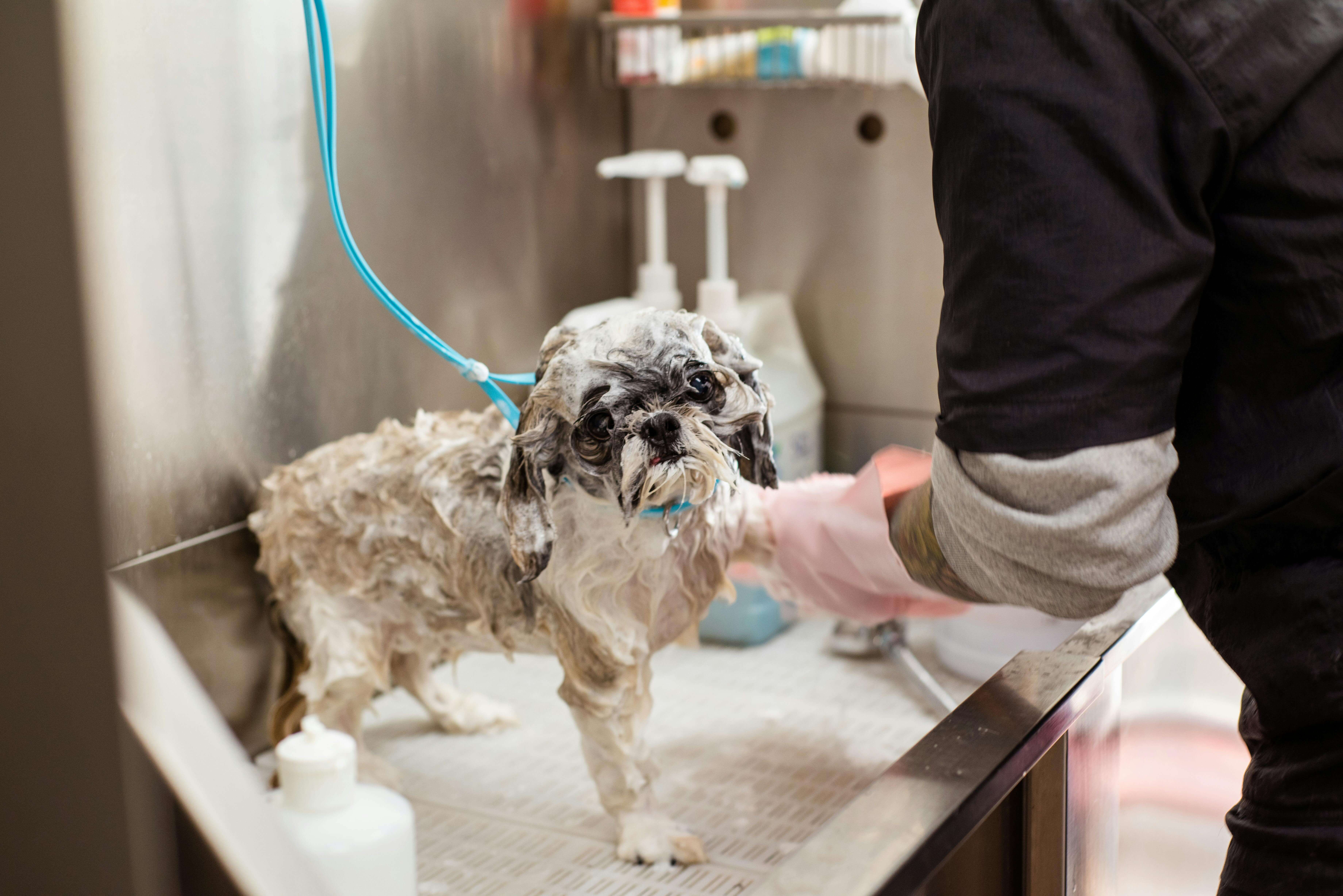
I used to bathe my Golden Retriever Luna every week. She always smelled great and her coat looked shiny, so I thought I was doing everything right. Then her skin started getting dry and itchy. Turns out, I was bathing her way too often and stripping her coat of natural oils. My vet told me most dog owners make the same mistake - they either bathe too much or not enough, and both extremes cause problems.
This comprehensive guide breaks down exactly how often to bathe your dog based on breed, coat type, lifestyle, and individual needs. You'll learn the signs that your dog needs a bath, the dangers of over-bathing, and breed-specific bathing schedules that keep your dog's skin and coat healthy. Whether you have a Poodle, a Husky, or a mixed breed, you'll find practical bathing guidelines here.
Quick Overview: Dog Bathing Essentials
- Most dogs need baths every 4-8 weeks on average
- Short-haired breeds can go longer between baths
- Double-coated breeds should bathe less frequently
- Oily-coated breeds need more frequent washing
- Over-bathing strips natural oils and causes dry skin
- Active outdoor dogs need more frequent baths
- Skin conditions may require special bathing schedules
- Smell alone isn't always a reason to bathe
Recommended Bathing Frequency by Coat Type
Weeks between baths for different dog coat types
8-12 weeks - Longest between baths
8-12 weeks - Very low maintenance
4-8 weeks - Moderate frequency
3-6 weeks - High maintenance
3-4 weeks - Frequent bathing needed
2-4 weeks - Most frequent bathing
Based on veterinary case studies and clinical research
Dog Bathing Frequency Quick Reference Guide
| Coat Type | Frequency | Example Breeds | Key Considerations |
|---|---|---|---|
| Short-Haired | 8-12 weeks | Beagles, Boxers, Dalmatians | Oils distribute easily, brush regularly |
| Medium-Length | 4-8 weeks | Golden Retrievers, Border Collies | Adjust based on activity level |
| Long-Haired | 3-6 weeks | Shih Tzus, Yorkshire Terriers | Daily brushing prevents mats |
| Double-Coated | 8-12 weeks | Huskies, German Shepherds | Never shave coat, brush during shedding |
| Curly/Wiry | 3-4 weeks | Poodles, Terriers, Doodles | Professional grooming every 6-8 weeks |
| Oily Coats | 2-4 weeks | Basset Hounds, Cocker Spaniels | Over-bathing can increase oil production |
Why Bathing Frequency Matters
Dogs produce natural oils in their skin that protect their coat and keep it healthy. These oils provide waterproofing, temperature regulation, and protection from environmental irritants. When you bathe your dog, you remove some of these oils. Bath too often, and you strip away the protective layer faster than their body can replace it.
The result? Dry, flaky skin. Itching and scratching. Dull, brittle coat. Increased susceptibility to skin infections. Luna's excessive bathing caused all of these issues. Her skin couldn't produce oils fast enough to keep up with weekly baths, and she suffered for it.
On the flip side, bathing too rarely lets dirt, allergens, and bacteria build up. This can also cause skin problems, matting in long-haired breeds, and yes, that unmistakable dog smell. The key is finding the right balance for your specific dog.
Bathing Schedule by Coat Type
Your dog's coat type is the biggest factor in determining bathing frequency. Different coats have different needs.
Short-Haired Breeds (Beagles, Boxers, Dalmatians)
Recommended frequency: Every 8-12 weeks
Short-haired dogs have minimal coat to trap dirt and odors. Their natural oils distribute easily across shorter hair, so they stay cleaner longer. Unless your short-haired dog rolls in something disgusting or swims frequently, bathing every 2-3 months is usually sufficient.
Regular brushing between baths removes loose hair and distributes oils, keeping the coat healthy. Short-haired breeds shed constantly, so brushing is more important than frequent bathing for coat maintenance.
Medium-Length Coats (Golden Retrievers, Border Collies, Australian Shepherds)
Recommended frequency: Every 4-8 weeks
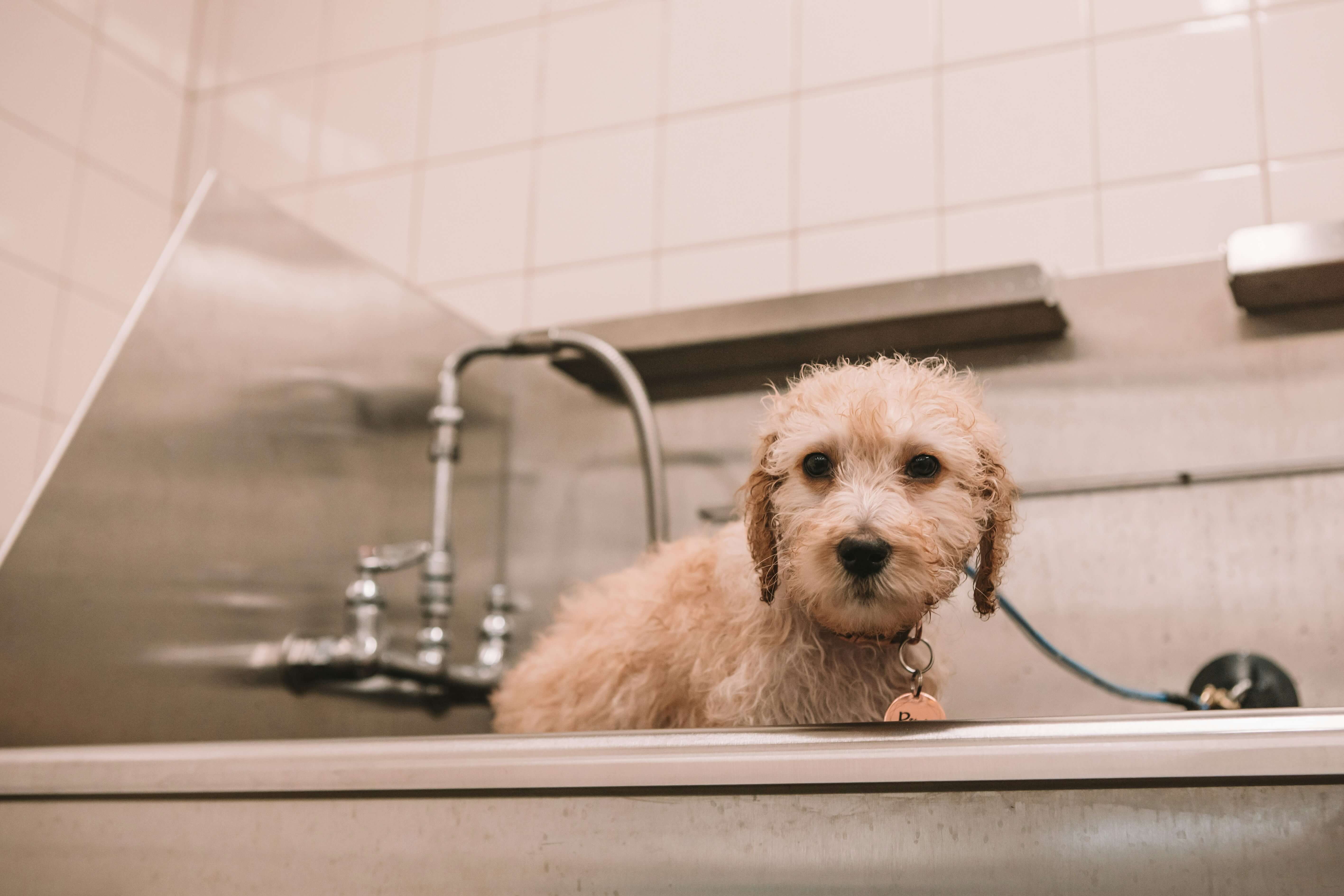
Medium-length coats trap more dirt than short coats but don't mat as easily as long coats. These dogs benefit from regular bathing every 1-2 months, with the exact timing depending on lifestyle and activity level.
Luna falls into this category. After learning about over-bathing, I switched her to baths every 6 weeks unless she gets particularly dirty. Her skin improved dramatically, and her coat is actually shinier now with less frequent washing.
Long-Haired Breeds (Shih Tzus, Yorkshire Terriers, Afghan Hounds)
Recommended frequency: Every 3-6 weeks
Long coats tangle and mat easily, trapping dirt close to the skin. These breeds need more frequent bathing, but the key is thorough brushing before and after each bath. Bathing a matted coat makes mats worse and can cause skin irritation.
Many long-haired breed owners bathe every 3-4 weeks combined with professional grooming every 6-8 weeks. Between baths, daily brushing prevents mats and keeps the coat manageable.
Double-Coated Breeds (Huskies, German Shepherds, Malamutes)
Recommended frequency: Every 8-12 weeks (or less)
Double-coated breeds have a soft undercoat for insulation and a coarser outer coat for protection. These dogs should be bathed sparingly because their coats are specifically designed to self-regulate. Frequent bathing disrupts this natural system.
Many Husky and Malamute owners only bathe during seasonal coat blowouts (twice yearly) unless the dog gets extremely dirty. The focus should be on regular brushing to remove loose undercoat, not frequent bathing.
Important: Never shave double-coated breeds in summer. Their coat regulates temperature in both hot and cold weather. Shaving ruins the coat structure and can cause permanent damage.
Pro Tip: Different breeds have vastly different grooming needs and costs. Use our dog breed selector tool to understand grooming requirements before adopting. High-maintenance breeds like Poodles cost $600-1,200 yearly just for professional grooming.
Curly and Wiry Coats (Poodles, Terriers, Portuguese Water Dogs)
Recommended frequency: Every 3-4 weeks
Curly and wiry coats don't shed much, which means dead hair stays trapped in the coat. This requires frequent bathing combined with regular professional grooming. Poodles and Doodles typically need baths every 3-4 weeks and professional grooming every 6-8 weeks.
These coats mat easily if not properly maintained. The combination of regular bathing, daily brushing, and professional grooming prevents matting and keeps the coat healthy.
Oily Coats (Basset Hounds, Cocker Spaniels)
Recommended frequency: Every 2-4 weeks
Some breeds naturally produce more skin oils, giving them that characteristic "doggy smell" faster than other breeds. Basset Hounds and Cocker Spaniels often need baths every 2-4 weeks because their oils accumulate quickly. Ironically, over-bathing can trigger the body to produce even more oil to compensate, so finding the right balance is crucial.
Lifestyle Factors That Affect Bathing Frequency
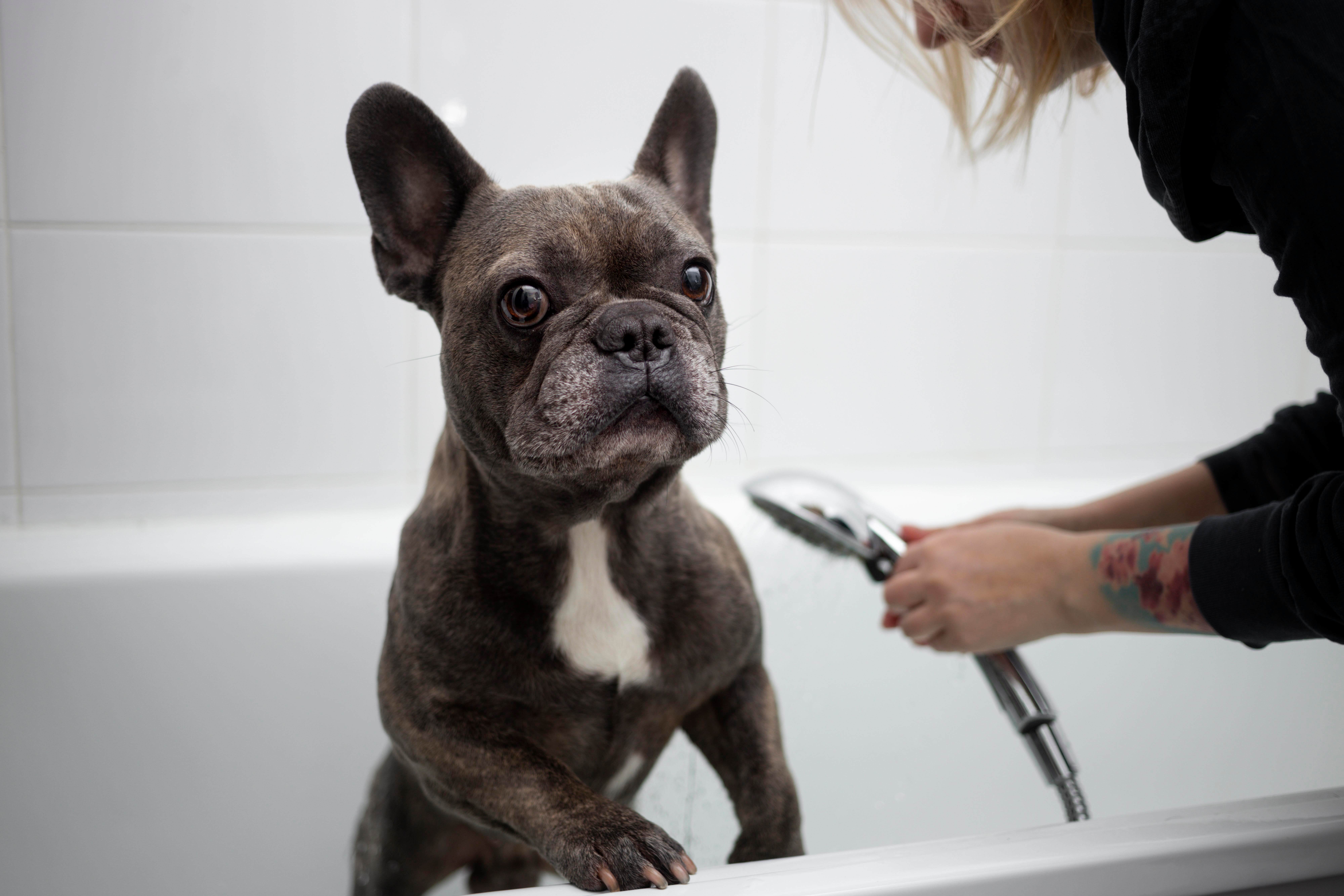
Coat type gives you a baseline, but your dog's lifestyle determines the actual bathing schedule.
Activity Level and Outdoor Time
Dogs who hike, swim, or play in dirt need more frequent baths than couch potatoes. Luna loves swimming in the lake, and after each swim session, I rinse her with fresh water to remove algae and bacteria. Every few swim sessions, she gets a full bath with shampoo.
Outdoor adventurers collect more dirt, pollen, and environmental allergens in their coats. If your dog spends significant time outdoors, you might need to bathe 2-4 weeks more frequently than the breed baseline.
Allergies and Skin Conditions
Dogs with allergies often benefit from frequent bathing with medicated or hypoallergenic shampoo. Your vet might recommend weekly baths to remove allergens from the coat and soothe irritated skin. This is a medical exception to normal bathing rules.
Similarly, dogs with skin infections, seborrhea, or other dermatological conditions may need special bathing schedules prescribed by your veterinarian. Always follow vet recommendations over general guidelines when medical issues are involved.
Indoor vs Outdoor Dogs
Dogs who sleep in your bed or lounge on furniture might need slightly more frequent baths for household hygiene, even if their coat doesn't technically require it. This is more about human comfort than dog health.
Outdoor-only dogs can often go longer between baths since they're not tracking dirt onto your couch. However, they still need regular bathing for health reasons, just perhaps not as often as indoor dogs.
Pro Tip: Active dogs need proper exercise levels for health and behavior. Use our dog exercise calculator to ensure your dog gets adequate daily activity. Well-exercised dogs are easier to bathe and groom because they're calmer.
When to Bathe Your Dog: Decision Timeline
Brush regularly, spot clean only
- •Coat still clean and shiny
- •No odor present
- •Regular brushing distributes oils
- •Avoid over-bathing by waiting
Monitor coat condition closely
- •Slight doggy smell developing
- •Coat may look less shiny
- •Increase brushing frequency
- •Consider activity level and exposure
Schedule bath based on coat type
- •Visible dirt or debris in coat
- •Noticeable odor present
- •Greasy or oily feel to coat
- •Time matches breed baseline
Bath required regardless of schedule
- •Rolled in something foul
- •Visible mud, feces, or toxic substance
- •Strong offensive odor
- •Skin irritation from allergens
Signs Your Dog Needs a Bath
Beyond following a schedule, watch for these signs that indicate bath time:
- Visible dirt or debris in coat: If you can see dirt, mud, or plant material, it's bath time
- Strong odor: That unmistakable dog smell means oils and bacteria have built up
- Greasy or oily feel: If the coat feels slick or greasy, oils need washing
- Dull coat: Healthy coats shine. Dull coats indicate buildup or poor health
- Excessive scratching: Could indicate allergens or irritants in the coat
- Flaky skin: Dry flakes might mean too much bathing, or paradoxically, that a bath would help remove buildup
Trust your nose and eyes. If your dog looks or smells dirty, they probably need a bath regardless of the schedule.
Bathing Best Practices
Choose the Right Shampoo
Never use human shampoo on dogs. Our shampoos are formulated for human skin pH (around 5.5), while dog skin pH is 6.5-7.5. Human products can irritate dog skin and disrupt their natural protective barrier.
Use dog-specific shampoo appropriate for your dog's needs:
- Gentle/puppy shampoo: For regular bathing, mild formulas
- Medicated shampoo: For skin conditions (vet-prescribed)
- Hypoallergenic shampoo: For sensitive skin or allergies
- Oatmeal shampoo: Soothes dry, itchy skin
- Deodorizing shampoo: For particularly smelly dogs
Proper Bathing Technique
1. Brush first: Always brush thoroughly before bathing. Wetting matted fur makes mats tighter and harder to remove.
2. Use lukewarm water: Hot water dries skin. Cold water doesn't clean effectively. Lukewarm is perfect.
3. Wet thoroughly: Make sure water reaches the skin, especially on thick or double coats.
4. Dilute shampoo: Most dog shampoos work better when diluted with water. Check bottle instructions.
5. Rinse completely: Leftover shampoo residue causes itching and flaking. Rinse until water runs clear, then rinse again.
6. Dry properly: Towel dry, then air dry or use a dog-specific blow dryer on cool setting. Never leave double-coated breeds damp - trapped moisture can cause hot spots.
Between-Bath Maintenance
You can keep your dog cleaner between baths with these techniques:
- Regular brushing: Removes dirt, distributes oils, prevents mats
- Paw wipes: Clean muddy paws without full bath
- Dry shampoo: Waterless shampoo absorbs oils for quick refresh
- Targeted washing: Just wash dirty areas instead of full bath
- Coat spray: Deodorizing sprays freshen smell between baths
Special Considerations
Puppies
Puppies can start bathing around 8 weeks old, after their first vaccines. However, they don't need frequent baths unless they get into something messy. Over-bathing puppies can dry out their developing skin.
Focus on getting puppies comfortable with the bathing process through positive reinforcement. Make it a pleasant experience so adult baths are easier.
Senior Dogs
Older dogs often have drier skin and may be sensitive to temperature changes. Use extra-mild shampoos, ensure water isn't too hot or cold, and help them in and out of the tub to prevent slips and falls.
Senior dogs with arthritis might find standing for baths painful. Consider professional groomers with specialized equipment or mobile grooming services that come to your home.
Pregnant or Nursing Dogs
Pregnant dogs can be bathed normally until late pregnancy when getting in and out of tubs becomes difficult. Nursing mothers benefit from baths to keep their mammary area clean for puppies, but use extra-mild shampoo and rinse thoroughly.
Pro Tip: Grooming costs add up quickly for high-maintenance breeds. Use our dog adoption cost calculator to budget for ongoing grooming expenses including professional baths, which cost $30-90 depending on dog size and location.
Common Bathing Mistakes to Avoid
Over-Bathing
This is the most common mistake, and it was mine with Luna. Weekly baths seem logical because we bathe ourselves daily. But dog skin works differently. Over-bathing strips protective oils faster than the body replaces them, leading to dry, itchy, unhealthy skin.
Using Human Products
Human shampoo, conditioner, and soap are formulated for human pH levels and can severely irritate dog skin. Always use dog-specific products, even if they cost more.
Inadequate Rinsing
Leftover shampoo causes more problems than dirty coat. Residue attracts dirt, causes itching, and can lead to skin infections. When you think you've rinsed enough, rinse for another minute.
Bathing to Fix Behavioral Issues
Some owners bathe excessively because their dog smells bad. But chronic odor often indicates health issues like skin infections, ear infections, or dental disease. Bathing masks the symptom without addressing the cause. If your dog smells bad days after bathing, see your vet.

Frequently Asked Questions
Can I bathe my dog every week?
Weekly bathing is too frequent for most dogs and strips natural protective oils, causing dry, itchy skin. Exceptions include dogs with specific skin conditions prescribed weekly medicated baths by a vet, or show dogs using gentle show shampoos. For typical pet dogs, bathing every 4-12 weeks depending on coat type is healthier. If your dog needs weekly bathing for odor, see your vet to rule out underlying health issues.
How often should I bathe my Golden Retriever?
Golden Retrievers should be bathed every 4-8 weeks. Their medium-length double coat benefits from bathing every 1-2 months, with exact timing based on lifestyle. Active Goldens who swim or hike may need baths every 4-6 weeks, while less active dogs can go 6-8 weeks. Focus on regular brushing 2-3 times weekly to remove loose undercoat and distribute oils between baths. Never bathe more than once monthly unless medically necessary.
Do short-haired dogs need baths?
Yes, short-haired dogs still need baths, just less frequently than long-haired breeds. Breeds like Beagles, Boxers, and Dalmatians typically need bathing every 8-12 weeks. Short coats don't trap as much dirt and oils distribute easily, so they stay cleaner longer. Regular brushing between baths removes loose hair and dirt. Only bathe more frequently if your short-haired dog gets visibly dirty or develops odor.
Can I use baby shampoo on my dog?
Baby shampoo is gentler than adult human shampoo but still not ideal for dogs. Baby shampoo pH (around 7) is closer to dog skin pH (6.5-7.5) than regular human shampoo (5.5), making it acceptable for emergency use. However, dog-specific shampoos are formulated for canine skin and coat needs, making them the better choice. If you must use baby shampoo temporarily, choose fragrance-free and rinse thoroughly.
How do I know if I'm bathing my dog too much?
Signs of over-bathing include: dry, flaky skin; excessive scratching after baths; dull, brittle coat; red or irritated skin; increased skin infections; and paradoxically, increased odor as skin overproduces oils to compensate. If you notice these symptoms, reduce bathing frequency and switch to gentler shampoo. Healthy dog skin should look smooth and coat should be shiny. When in doubt, bathe less frequently and consult your vet about proper bathing schedule for your specific dog.
Final Thoughts: Finding Your Dog's Perfect Bathing Schedule
After I learned about Luna's over-bathing problem, I completely changed my approach. I started with the 6-week baseline for her breed and adjusted based on her activities. Swimming days get a fresh water rinse. Muddy hikes get a targeted paw and belly wash. Full baths happen only when she actually needs them.
The difference is remarkable. Her skin stopped flaking. The constant scratching ended. Her coat became shinier and healthier looking. And surprisingly, she actually smells better now with less frequent bathing because her natural oils are balanced.
There's no one-size-fits-all bathing schedule. Start with the recommendations for your dog's coat type, then adjust based on lifestyle, activity level, and individual needs. Watch your dog's skin and coat condition. They'll tell you if you're bathing too much or too little.
Remember, regular brushing does more for coat health than frequent bathing. Invest in the right brushes for your dog's coat type and make brushing part of your routine. Your dog will be cleaner, healthier, and you'll save money on unnecessary baths and grooming products.
Plan for Your Dog's Complete Care
Grooming is just one part of dog ownership costs. Use our free calculators to plan for all aspects of your dog's care and ensure you're prepared. All tools are free with no signup required.
Related Articles
Choosing the Right Dog Breed for Your Lifestyle
Learn how to pick the perfect dog breed based on your lifestyle, activity level, and budget.
10 Things to Know Before Getting a Dog
Complete beginner's guide covering costs, training, exercise, and everything first-time dog owners need to know.
Low-Maintenance Dog Breeds for Busy People
Discover the best low-maintenance dog breeds perfect for busy schedules.
Dog Vaccination Schedule (Month-by-Month Printable Chart)
Complete dog vaccination schedule with month-by-month timeline.