Ideal Dog Weight Calculator: Find Perfect Size
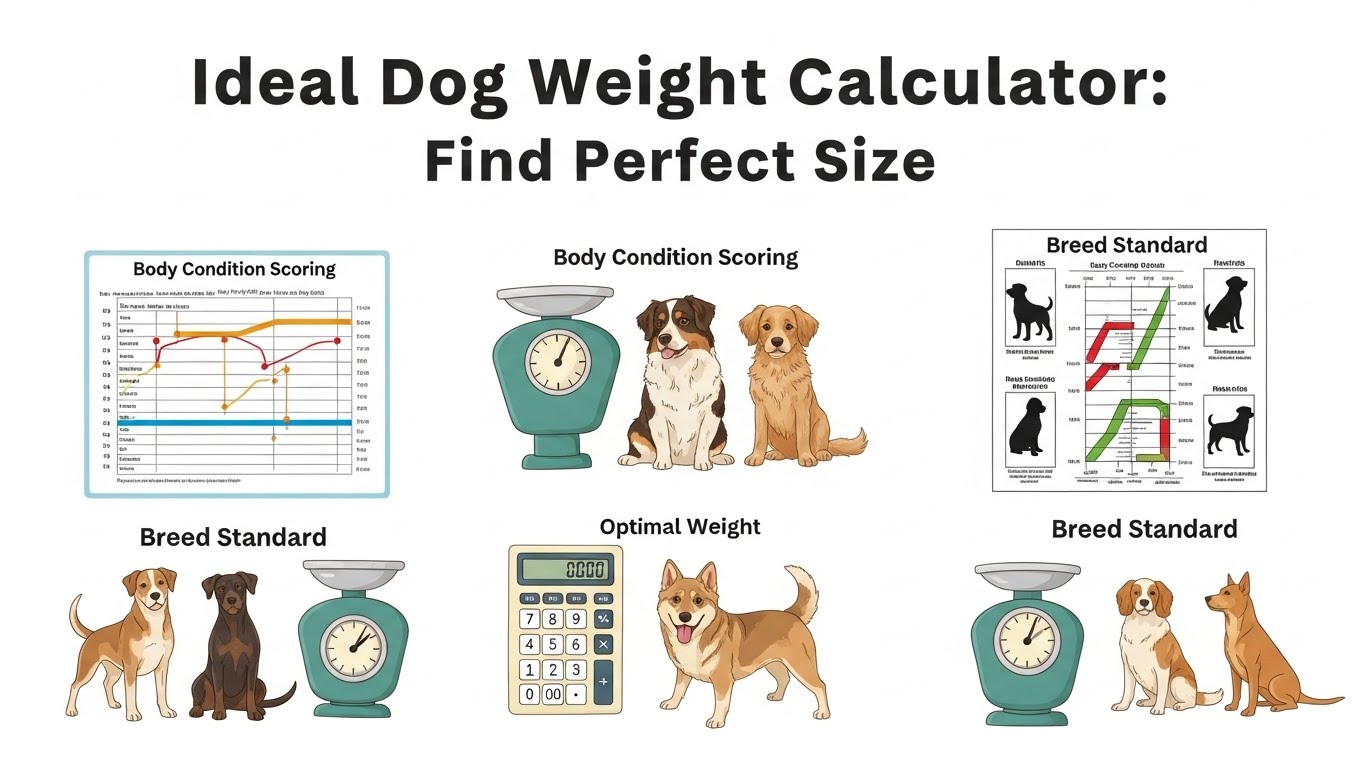
Determining your dog's optimal weight is not as simple as stepping on a scale and matching the number to something. As I have worked with dogs over the years, I have found that the ideal is highly relative to breed, conformation, age, and body type. The best dog weight calculator can help determine your dog's optimal weight range to avoid both being overweight and being underweight.
These tools account for not only pounds but also breed standards, frame size, and body condition. I have been to the vet clinic many times and have seen hundreds of dogs that were within their breed's weight range, yet overweight or underweight based on their frame. It is not about reaching a target weight; it is about achieving a comfortable, healthy state for a dog with normal energy. We can now review the functionality of these calculators and their applications.
Knowing the Ideal or Average Weight
The difference between an average and an ideal weight is critical and often overlooked by dog owners. Average weight is the typical weight for most dogs in a breed; many pets are overweight. Investigations indicate that more than half of domestic dogs in advanced nations are overweight, which shifts the averages to the right.
Ideal weight, on the other hand, is the best weight for health and longevity. I recall once having a client with a Labrador which weighed eighty-five pounds- very average by the breed in their part. However, his frame size and muscle structure indicated a weight of approximately 70 pounds, which was his ideal weight.
His health and energy were significantly affected by the fifteen-pound difference. Kennel club breed standards provide optimal ranges for healthy, functional dog breeds. The best dog weight calculator would not rely on population averages to give a more meaningful target; instead, it would depend on these standards.
The Difference Between Growth Calculators and Ideal Weight Calculators
Whereas growth calculators are the calculations of an adult's weight for a puppy, ideal weight calculators are the calculations of the perfect weight of an adult dog. The purposes of these are entirely different. Growth calculators are proactive caloric analysers, whereas ideal weight calculators are immediate caloric analysers.
I recommend using growth calculators when a person brings a new puppy into their home, and they should prepare accordingly. I use weight calculators to evaluate an adult dog's current condition. The calculations differ, too. Growth calculators multiply a puppy's current weight by its age to estimate growth.
The ideal weight calculators take into account breed standards, body frame measurements, and, in some cases, whether the dog is spayed or neutered. For mixed breeds, the best weight calculators typically ask for your dog's body type: a slender build like a Greyhound, a stocky build like a Bulldog, or a combination of the two. This is to counter the vagaries of mixed genetics.
Body Condition Scoring Systems
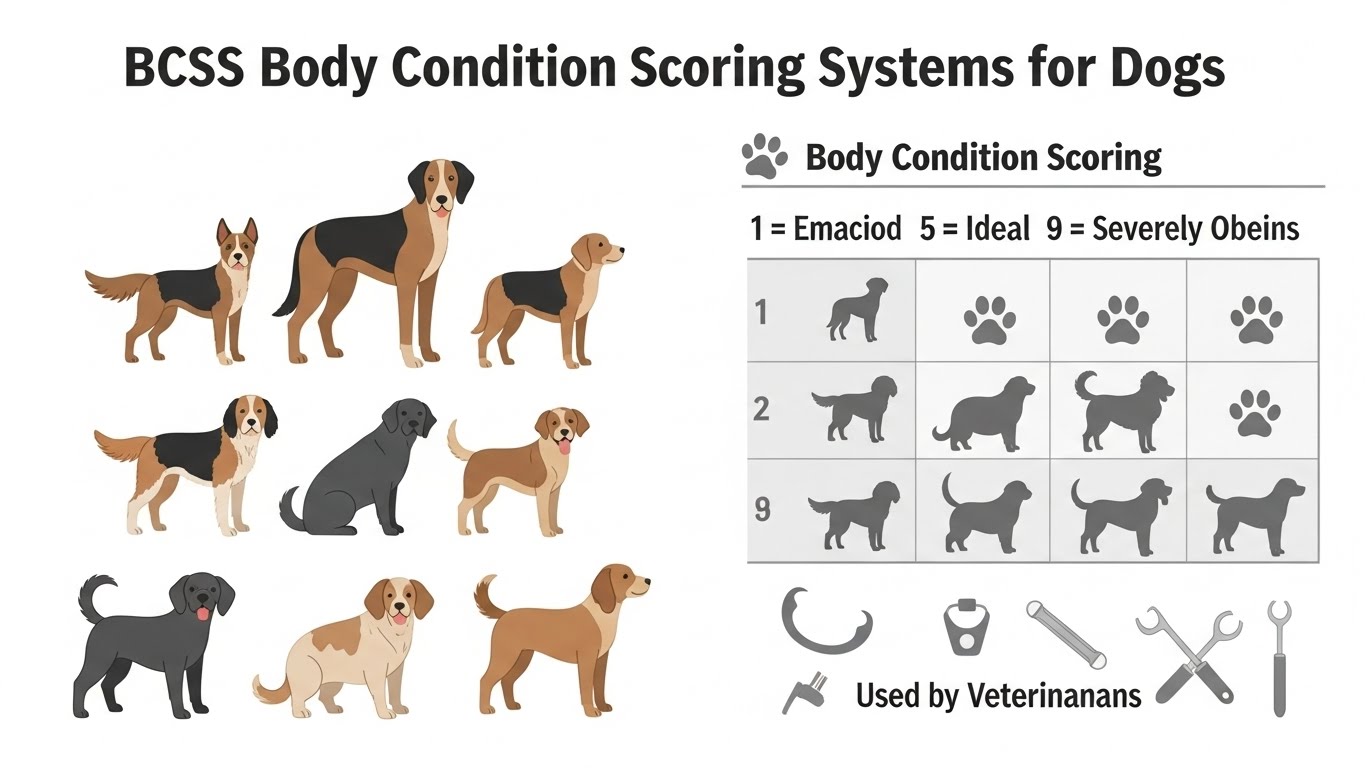
The best ideal weight calculators use body condition scoring to determine ideal weight, rather than relying solely on breed and size. Body condition scoring is a standardised assessment method used by veterinarians worldwide. The most popular is the nine-point system, which uses nine points, with one indicating emaciated, 5 indicating ideal, and nine indicating severely obese.
When training dog owners, I assess them on three key points: rib palpability, waist definition, and abdominal tuck. When properly weighed, the ribs are easy to feel; without pressing, in an ideal dog, they do not show under the coat. When looking down, a waist should be seen behind the ribs.
On the side, the belly must curve upward between the chest and the hind legs rather than hanging down or in a straight line. Other calculators currently have graphical instructions or surveys regarding these physical characteristics. This qualitative measure, combined with the weight, will provide you with the most comprehensive view of whether your dog is at an optimal weight.
Standards of Breeds and Weights
Each known breed has a set of standards that encompasses ideal weight ranges; in other breeds, the standards specify height rather than a weight range. These criteria are based on size to ensure the dogs can perform their initial purpose efficiently. Say the Border Collies were trained to be agile and enduring in herding, therefore creating an ideal weight that leaves the dogs lean and athletic.
Water rescue and hauling were the purposes of Newfoundlands; hence, they are significantly muscled, with increased bulk. For an ideal weight calculator for a purebred dog, I rely solely on the breed club's official standard. The American Kennel Club, the United Kennel Club, and breed-specific clubs uphold these standards.
Nevertheless, standards tend to give ranges such as between fifty and seventy pounds, which is very wide. The location of your particular dog on that scale will be dependent on the skeletal frame size of that specific dog. A Border Collie of a smaller size should strive to achieve the lower end, whereas a Border Collie of a bigger size should strive to achieve the higher end.
Frame Size Assessment of Mixed Breeds
The most challenging aspect of ideal weight calculators is mixed breeds, since you are dealing with an established standard. I have developed a pragmatic approach to the subject and avoid relying on breed guesses. First, measure your dog's height at the shoulder and length. Then compare the bone structure by touching the leg bones and spine.
Some dogs have delicate, fragile structures, while others have heavy, thick bones. Examine the chest depth and width - the broader and more profound the chest, the larger the mass of muscles that the dog is constructed to support. In case of mixed breeds, ideal weight calculators usually classify dogs into small (less than twenty-five pounds), medium (twenty-five to fifty pounds), hefty (fifty to eighty pounds), or giant (more than eighty pounds), after which the build type is asked.
This provides you with a framework for starting. Body condition scoring is even more important there, as there are no breed standards to reference. The goal is to determine the weight that makes your dog's body proportions appear balanced and athletic.
Weight-Related Concerns with Ageing
Ideal weight does not remain the same during the life of a dog. Adolescents and puppies should be placed on the skinny side to keep growing joints safe, and senior dogs may have more weight to look forward to as health insurance. I have realised that most older dogs naturally lose muscle mass, which can make them appear lean even at the same weight.
For seniors, ideal weight calculators must account for changes in activity level and metabolic shifts. An older dog with a slower metabolism requires fewer calories than it did when it was three years old; thus, its optimal weight may be five to ten pounds lower than when it was young.
On the other hand, older dogs tend to lose energy, become less active, and gain weight, placing strain on ageing joints. In large-breed puppies, in particular, being at the lower end of the weight range during development reduces the risk of hip and elbow dysplasia. I would always advise treating Dane or Mastiff owners to ensure that puppies are kept very slim in the first eighteen months, even though adult dogs may appear slim.
Activity-Based and Seasonal Adjustments to the Weight
Working and sports dogs of the same breed also have an ideal weight as compared to pet dogs of the same breed. A Border Collie that does agility contests must be leaner and more muscular than a companion.
I would like to use several hunting-dog owners as an example: their Labrador Retrievers lose up to 8 pounds during hunting season because they become more active, and they regain it during the off-season. This is a natural or normal fluctuation. Equally, some dogs naturally gain weight during winter, especially outdoor dogs that require additional insulation. Ideal weight calculators typically do not account for these variables, as they assume an average pet lifestyle.
When using these tools, it is essential to consider your dog's actual activity level. When your dog accompanies you on hiking trips, jogs beside your bicycle, or runs in a dog competition, they may appear at their optimum size. The middle-to-upper range may be more suitable if they are a couch companion who walks moderate distances every day.
Ordinary Calculator Input Requirements
The vast majority of detailed ideal weight calculators require several pieces of information. You will also be asked for your dog's current weight and the breed or mix of breeds. The age issue is significant because optimal weights vary by life stage. Others may require shoulder height to determine frame size.
The gender aspect is appropriate because males generally have higher weights than females. Altered dogs may also consider spay and neuter status, as their metabolic requirements are not identical. The most effective calculators I have used also include questions about observed activity levels and body condition. They may question whether you can readily feel the ribs of your dog, have a more or less defined waist, and whether the stomach draws in.
Some sophisticated calculators even require measurements such as neck circumference or chest girth. Although it takes a few minutes to enter all this data, the result is much more precise than breed-based approximations. The more detailed the information you provide, the closer the suggested weight will be.
Online Calculators' Weaknesses
Although helpful, ideal weight calculators have limitations. They are unable to explain individual variation in muscle mass; a muscular dog may be above its calculated perfect weight and in excellent condition. I have observed this with sport working dogs that are pure muscle- they are overweight according to the scales, but they are in excellent physical shape.
Dogs that are odd-looking are also difficult to calculate. A dwarf Corgi does not conform to the weight-to-height ratio like other breeds. Other dogs with dense, lightweight coats, such as Newfoundlands or Malamutes, may be difficult to weigh accurately because of the coat's added weight. It is made complicated by medical conditions. Dogs with Cushing's disease or hypothyroidism may bear weight differently than healthy dogs.
Ideally, weight changes during pregnancy and nursing. Most importantly, calculators help set targets, but they cannot replace the evaluation of an individual who knows your particular dog. They should be used as guidelines and not as the word.
The Introduction of the Weight Management Plans
And after an optimal weight calculator provides you with a goal, the actual labour starts. I have helped hundreds of dogs reach their desired weight, and the difference between success and failure lies in managing calories and exercise. When you have to lose weight, then you should target losing one to two per cent of body weight per week.
In the case of a fifty-pound dog, it is only half a pound a week. Rapid weight loss can lead to health complications and is not sustainable in the long term. Make the loss excessive, and you will lose both muscle and fat. If your dog is having difficulty gaining weight, consult your vet to rule out any underlying conditions. Unexplained weight loss may indicate parasites, dental caries, or other serious conditions.
For healthy dogs that are merely too thin, food portions should be gradually increased while maintaining a balanced diet. Record improvements are being made every week on the same scale at the same time of the day. Multiple factors drive daily fluctuations, so weekly weigh-ins provide more reliable data. Revamp the plan after every three to four weeks.
Veterinary Counselling and Evaluation
Although ideal weight calculators are helpful, they cannot substitute for a professional veterinary examination. I strongly recommend that your vet check your dog's health at least once a year, or more frequently if there are any weight issues. Veterinarians can detect subtle changes in your pet's condition that you may miss and identify weight-related health problems.
More advanced assessment instruments are also available to them. Dual-energy X-ray absorptiometry (DEXA) scans, which measure body fat percentage, are now used in some veterinary practices with high precision. It is a technology borrowed from human medicine that eliminates guesswork about whether someone is carrying fat or muscle. This can also be done through your vet, who can explain how your dog's specific health issues predispose it to an ideal weight.
Individualised weight goals can be used for dogs with arthritis, heart disease, or other conditions. Moreover, veterinarians may recommend a prescription weight-management diet when necessary. They are designed to achieve fullness without adding extra calories, helping the dog lose weight even when it seems hungry.
Real-Life Practice: Discovering Personal Balance
Let me share a case that perfectly illustrates how ideal weight calculators should be used. I worked with a mixed-breed dog named Cooper, estimated to be an Australian Cattle Dog and Border Collie. At two years old, he weighed forty-eight pounds. The owner used an ideal weight calculator that suggested forty to fifty pounds based on his breed mix and medium build.
The calculator indicated he was already within perfect range. However, when I evaluated Cooper's body condition, I could barely feel his ribs; he had no visible waist, and his abdomen didn't tuck in. He was actually overweight despite falling within the calculator's range. We set a target of forty-two pounds based on his specific frame.
Over twelve weeks of portion control and increased exercise, Cooper reached that weight. The difference was remarkable—more energy, better mobility, and a clearly defined athletic build. The calculator provided a starting range, but hands-on assessment and monitoring revealed his ideal weight. This is precisely how these tools should work—as guides that inform your observation, not as replacements for it.
Frequently Asked Questions
What's the difference between ideal weight and healthy weight for dogs?
These terms are generally interchangeable, both referring to the optimal weight for health rather than average weight. Ideal weight emphasises the goal of achieving an optimal body condition for your specific dog.
Can ideal dog weight calculators be used for puppies?
These calculators are designed for adult dogs. Puppies need growth-specific tools because they're still growing and haven't reached their adult weight yet.
How often should I check if my dog is at an ideal weight?
Assess your dog's body condition monthly by feeling ribs and checking waist definition. Weigh them every two to three months or whenever body condition seems to change.
Do ideal weight calculators work for senior dogs?
Yes, but consider that seniors may naturally carry less muscle mass. Adjust expectations and focus on body condition more than specific numbers for elderly dogs.
Should I aim for the middle of my dog's ideal weight range?
Not necessarily. Highly active dogs do better at the lower end, while less active companions might thrive in the middle to upper range. Body condition matters more than position within the range.
Find Your Dog's Ideal Weight Today
Use our ideal dog weight calculator to determine the perfect weight range for your pet and create a healthy weight management plan.
Try Our Calculators