Healthy Dog Weight Tool: Managing Your Pet's Ideal Size
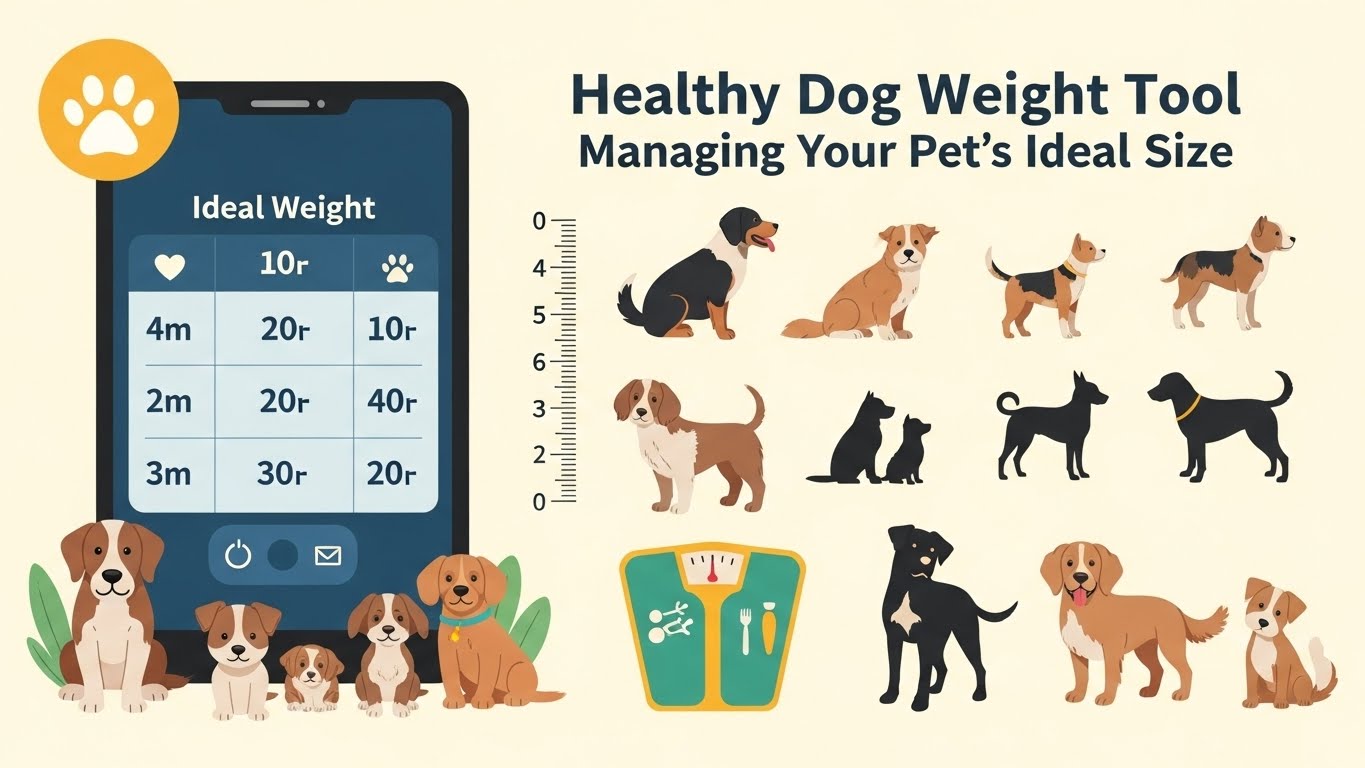
Maintaining a healthy weight for our dog is the most crucial task we have as their owners, and it is something that we all find challenging. I have seen hundreds of dogs in parks, vets, and even in my own neighbourhood with an extra pound that causes additional strain on their joints and organs, when it is not needed.
A healthy dog weight guide can be a valuable tool for determining whether your pet is at its ideal weight. These applications provide breed-specific information, age factors, and body condition ratings to help you better understand your dog's health. Dogs require a more sophisticated measurement method than humans, who can step on a scale because their bodies are more physically structured.
Knowing What a Healthy Dog Weight Tool Does
A healthy dog weight tool is a calculator or evaluation framework that helps you determine whether your dog is underweight, overweight, or at an optimal weight. These applications typically require details such as your dog's breed, age, weight, and activity level.
The value of these tools lies in their ability to account for significant variation in dog size and body type. A healthy Chihuahua has nothing in common with a healthy Great Dane, and generic weight charts can not account for the differences. The superior equipment is based on veterinary research and breed specifications developed by the kennel organisation and veterinary groups.
They transform complex data into actionable information that any dog owner can understand and apply to make sound decisions about what and how to feed and exercise their dog.
The Reasons Why Traditional Scales Are No Longer Sufficient
I learned early, as a dog owner, that you cannot judge a dog by its weight. My neighbour had a seventy-five-pound Labrador, and it seemed reasonable to have them until you saw how her body looked and realised she was supposed to be sixty pounds.
Weight does not determine muscle mass, bone density, or body frame size. The ideal weight for two dogs of the same breed and height may differ due to differences in their body structures. At this point, a healthy dog weight tool would be necessary to put the number on the scale in perspective.
These aids will help you determine whether the pounds are from good, normal muscle or body fat. They also monitor trends over time, which is extremely useful for catching gradual weight gain before it becomes a serious health issue.
Body Condition Score System Explained
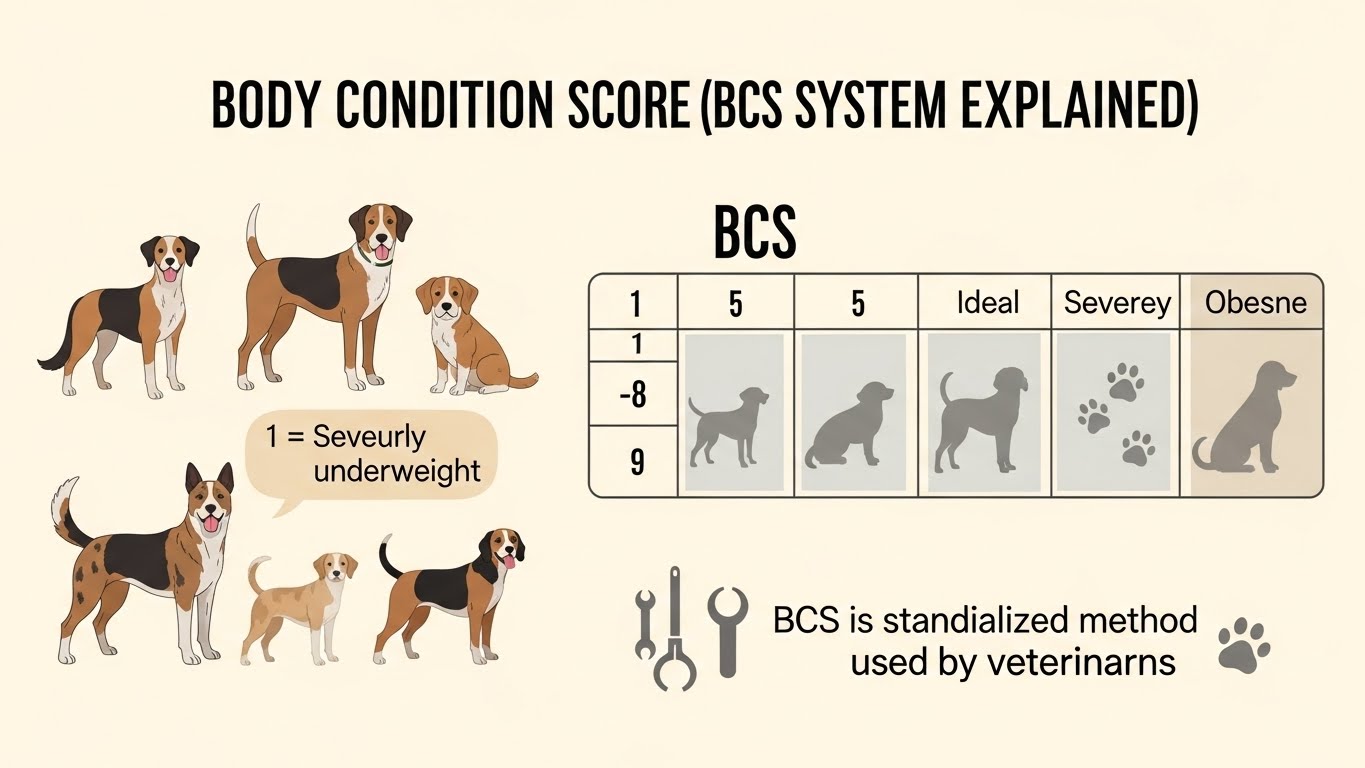
Almost all-inclusive healthy dog weight systems use a Body Condition Score (BCS). It is a standard method veterinarians use to determine a dog's body composition. The scale usually goes between one and nine, where one is severely underweight, five is perfect, and nine is severely obese.
When you include BCS in a weight evaluation, you assess physical signals such as rib prominence, waist-to-hip ratio, and abdominal tuck. This has been an excellent aid for me, as it teaches me what to touch when I rub my hands along my dog's sides.
The ribs must be palpable, not hard, and not sticking out. The BCS will reduce subjectivity in weight assessment and provide a clear standard for comparison.
Standards of Breed-Specific Weight Count
A breed-specific database is a key feature of an excellent, healthy dog weight tool. Breed standards reflect generations of experience on what size a particular type of dog should be considered healthy.
When I acquired my first Border Collie, I was surprised to learn that females typically range from 30 to 45 pounds, which is much less than I had expected. This information about the breed would have helped me avoid overfeeding her, as I would have assumed she was too thin.
Mixed-breed dogs pose a different challenge, but weight tools can help by allowing you to choose from many breeds or body types. Knowing your dog's genetic composition will help you set realistic weight expectations and avoid comparing them to arbitrary standards that do not reflect their specific body structure.
The Influence of Age on Ideal Weight Ranges
The weight requirements for puppies and adult dogs differ significantly, making healthy dog weight tools especially valuable. Puppy growth rates vary by breed, with large breeds taking much longer to reach adult weight than small breeds.
An age-adjusted tool will indicate whether your six-month-old German Shepherd puppy is progressing as expected or requires intervention. The elderly dogs often lose muscle and may require varying amounts of caloric intake to maintain a normal weight, even when they are not very active.
I have observed with my older dog that he neither gained nor lost weight, but his body composition changed, necessitating a diet adjustment. Age-adjusted weight helps you navigate these life-stage transitions.
Practical Characteristics to Be Sought
With the selection of a healthy dog weight tool, be it an application, a website, or a chart from your veterinarian, some features render them more helpful. Find the tools that can also enable you monitor weight to check it over a period of time as opposed to getting a one-time evaluation.
Trend tracking helps you identify trends and assess the effectiveness of your current feeding and exercise regimen. The photo comparison tool can be highly beneficial, as it allows you to track changes in your dog's body condition visually.
There are also advanced tools that estimate your dog's daily caloric requirements based on target weight and activity level. I especially like tools that provide precise feeding guidelines and propose gradual weight-loss plans rather than radical changes that may strain your dog's system and lead to overfeeding.
The Relationship Between Health Problems and Weight
A healthy weight means more than just looking good; it has significant consequences for your dog's health and lifespan. Dogs that are overweight are at a greater risk of diabetes, heart illnesses, respiratory diseases and even joint complications such as arthritis.
I have seen friends have a hard time with their overweight dogs developing the signs of hip dysplasia several years sooner than they would have otherwise. The additional weight exerts mechanical force on the joints, which were not designed to support that load. On the other hand, skinny dogs may have compromised immune systems, poor coat quality, and low energy reserves.
Regularly monitoring a dog's weight with a healthy weight tool helps catch issues before they become difficult to control. Veterinary studies have consistently documented a stable life expectancy for dogs, indicating that dogs at their optimal weight live at least 2 years longer than overweight dogs.
Unrealistic Expectations of Dog Weight Loss
When your healthy dog weight tool indicates your dog needs to lose weight, you must have patience as your most important resource. The loss of weight in dogs must be slow, at one to two per cent of body mass per week. For a 50-pound dog, this translates to either half a pound or one pound per week.
Sudden weight loss may trigger severe health problems and cannot be sustained long-term. One of my initial errors was reducing my dog's food intake too much, which caused him to beg constantly and look visibly uncomfortable.
The alternative is moderate calorie reduction and an active lifestyle. Most weight tools will help determine a suitable target and schedule. Measuring after two weeks will provide sufficient information to observe a trend and avoid fixating on daily changes, which may be due to water retention or time of day.
Combining Exercise and Weight Management
No device that measures a dog's weight can replicate real physical activity. The exercise burns calories, builds muscle, and provides mental stimulation that reduces boredom-driven food-seeking behaviours.
The type and amount of exercise that will benefit your dog vary significantly depending on the breed, age, and fitness level. My Australian Shepherd is high-energy and requires at least an hour of activity a day, whereas my friend has a senior Pug, so several short walks will suit them better.
One must begin exercising slowly, particularly among overweight dogs, whose joints are already strained. Swimming is also an excellent activity for overweight dogs, as it provides cardiovascular exercise without causing impact stress. Combining a weight-management tool with regular exercise will help you achieve far better results than diet or exercise alone.
Uncommon Priors in Measuring the Weight of a Dog
Despite having good tools, dog owners consistently make predictable mistakes when assessing their pets' weight. One of the biggest mistakes is comparing their dog to others at the park rather than to breed standards.
Another one is the underestimation of the number of calories that the training treats and table scraps contribute to the overall intake. I have found that a small slice of cheese or a crust of bread will not make a difference, but these extras can account for 5% or more of a small dog's daily caloric intake.
Another way people can be misled about portion sizes is by filling the bowl to what feels like the right amount instead of measuring it. Free-feeding, which involves having food all the time, has rendered fad weight management almost impossible since you no longer know how much you are consuming. A healthy dog weight tool only works when you tell the truth about such input factors as the actual food quantities and the number of times you give the dog a treat.
How and When to See Your Veterinarian
Although healthy-dog weight tools can be helpful for routine checks, they cannot replace a professional veterinary examination. If you notice sudden changes in your dog's weight without any changes in diet or exercise, it's time to visit the vet. The weight loss that cannot be explained might be a sign of such serious illnesses as kidney disease, diabetes, or cancer.
Sudden weight gain could indicate a case of hypothyroidism or other metabolic diseases. A veterinary consultation should be conducted before embarking on any serious weight-loss program, especially for a dog that needs to shed more than 10% of its body weight. They can rule out underlying health problems and may prescribe weight-management foods or structured programs.
I always make a vet check first when changing my dogs' routine, and the peace of mind is worth it. You can also demonstrate, with your own hands, proper BCS assessment techniques, which you can learn more effectively with your vet's guidance than through description alone.
Developing Healthy Habits of Sustainability
The end goal of using a healthy dog weight tool is not to reach a specific number, but to develop sustainable, lifelong practices that support a healthy weight. It involves creating a schedule of food intake and amounts that fit your routine and meet your dog's Nutritional Needs.
It consists of making exercise a habit so it becomes automatic and no longer requires motivation. I started taking morning walks after coffee as part of my routine, which helped keep my dog and my body fit.
Sustainable habits also involve managing circumstances that disrupt weight maintenance, such as holidays when people tend to eat more sweets or when the weather makes outdoor activities difficult. Your weight tool will hold you responsible, and you will need to make some adjustments before minor slip-ups turn into significant losses.
Frequently Asked Questions
How often should my dog's weight be checked?
For healthy adult dogs at a normal weight, monthly check-ups are adequate. If your dog is on a weight-loss or weight-gain program, weekly weigh-ins will help you track progress and adjust his schedule accordingly.
Would I rate my dog on a human scale?
Yes, for small to medium dogs, you can measure your weight, then weigh yourself and your dog, and then divide the difference by your weight. Smaller dogs can be placed on a veterinary scale.
What happens to my mixed-breed dog?
Focus on body condition scoring, not on a specific weight number. Evaluation of rib visibility, waist definition, and overall proportions is practical across breed mixes and provides quality health predictors.
Is healthy dog weight equipment relevant to a puppy?
Puppy growth charts are more suitable than adult weight tools. Puppies require alternative evaluation standards that account for their rapid growth and breed-specific growth patterns.
To what extent do I need to reduce my food intake to lose weight?
Introduce a ten to fifteen per cent cutdown in present intake and follow the outcome after two weeks. Slow changes are less risky and more productive than radical measures, which can lead to nutritional insufficiency.
Manage Your Dog's Healthy Weight Today
Use our healthy dog weight tools to monitor your pet's ideal size and maintain optimal health throughout their life.
Try Our Calculators