Dog Weight Tracker: Monitor Your Pet's Health
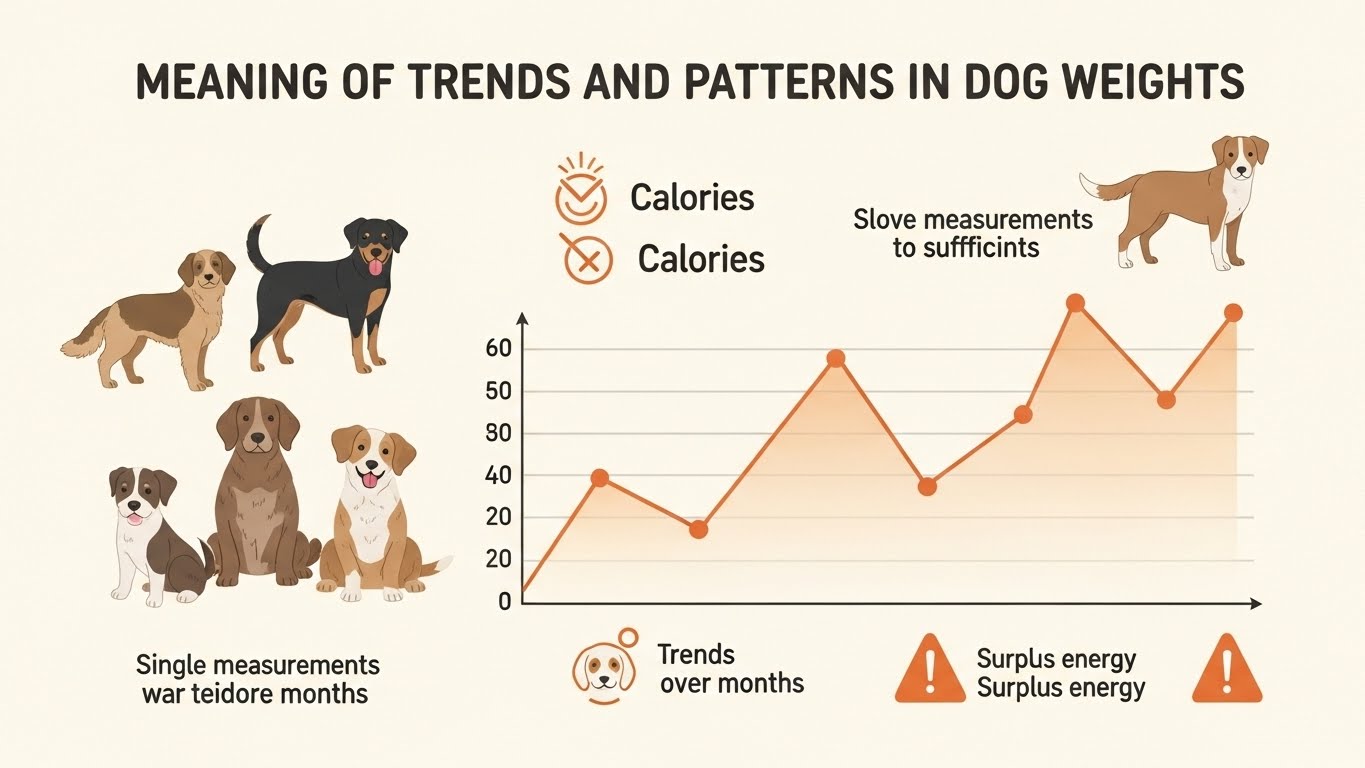
Monitoring your dog's weight may seem unnecessary when the animal appears healthy, but regular checks can help identify early signs of health issues, even before they become severe. During my years owning dogs, I have realised that weight changes often indicate underlying issues, such as thyroid problems or kidney disease.
A dog weight tracker, whether a simple notebook, spreadsheet, or dedicated application, will build a health timeline that helps identify patterns and trends with a veterinarian's guidance.
Also, in regular tracking, you are responsible for ensuring that your dog maintains its ideal weight and does not slowly gain additional pounds that can accrue when you see your dog every day. The information you gather will be an invaluable tool for vet visits, providing concrete details rather than blurred memories of when the changes may have occurred.
The Importance of Constant Weight Tracking
Dogs do not tell us when they are not feeling well, so we rely on observable indicators to assess their health. One of the most objective measurements pet owners can make is weight, but most people ignore it until it becomes evident. I heard of dogs that lost 15 pounds over a year, and the owners did not realise it was happening because the weight loss was gradual.
These nuances are reflected in the use of a dog weight tracker. It is also vital for detecting weight loss, which may indicate severe conditions such as diabetes, cancer, or gastrointestinal issues. Puppies can also use tracking to ensure they are developing in line with breed standards and age.
Older dogs should be monitored, as age-related metabolic changes affect weight maintenance. Tracking of even healthy adult dogs should be done quarterly to establish baseline patterns, and any deviation will be visible the moment it occurs.
Types of Dog Weight Trackers
The easiest dog weight tracker is a dedicated notebook where you record the date and weight, but in that case, analysing trends becomes difficult. I have been using this technique for many years; routines existed that could automatically create graphs and compute trends.
Spreadsheet software such as Excel or Google Sheets is more functional and offers a range of options for creating charts that visualise changes over time and for calculating averages. Specific smartphone apps are now my preferred option because they are always available, include reminders, and often offer additional features such as photo tracking and body condition scoring.
There are also apps compatible with smart scales that automatically integrate data. Not only are veterinary practice management systems adding weight tracking, but they can also be accessed via a patient portal, so you and your vet will have access to the same information. The most suitable tracker is the one you will use regularly, whether high-tech or extremely low-tech.
How to Install Your Tracking System
To begin with, a dog weight tracker requires specific protocols to ensure consistency. To start, determine a weighing schedule: for puppies or dogs on a weight-management plan, weigh weekly; for healthy adults, once a month; and for older dogs, once every two weeks. I weigh my dogs once a week in the morning, at the start of the day, before feeding, since food and water intake can affect weight.
Select a reliable scale based on your dog's size. The bathroom scales are suitable for medium- to large-sized dogs. Weigh yourself, then add the dog and subtract the dog's weight. Small dogs should be weighed on a finer-grained scale. I weigh my smaller breeds using a kitchen scale.
Not only the weight but also the associated context, such as changes in diet, illness, medication, or activity level. Such contextual information helps explain future fluctuations. Prepare your tracking system in a format that you have selected and add columns to it (date, weight, body condition score, and notes).
Top Dog Weight Loss Apps
There are many apps available in the marketplace for tracking dog weight, each with its own strengths. Activity trackers such as PitPat also include weight monitoring alongside exercise data, providing a comprehensive view of health. These typically save about $50 on equipment and require a small monthly payment.
Another popular product is FitBark, which can be linked to a collar-based monitor and automatically captures activity data, allowing an individual to manually update their weight. Free applications available in the market, such as Dog Health and 11pets, provide reliable tracking services for low-end owners at no additional cost.
I have tried several of them and found that the user interface is a significant issue; if it does not operate smoothly, it will not be used regularly. Find applications with minimal input per record, visualise trends, track progress, and export data to work with your vet. Other applications can be configured to send a reminder when it is time to weigh in, which has been highly valuable to me as it helps me stay consistent.
Meaning of Trends and Patterns of Weights
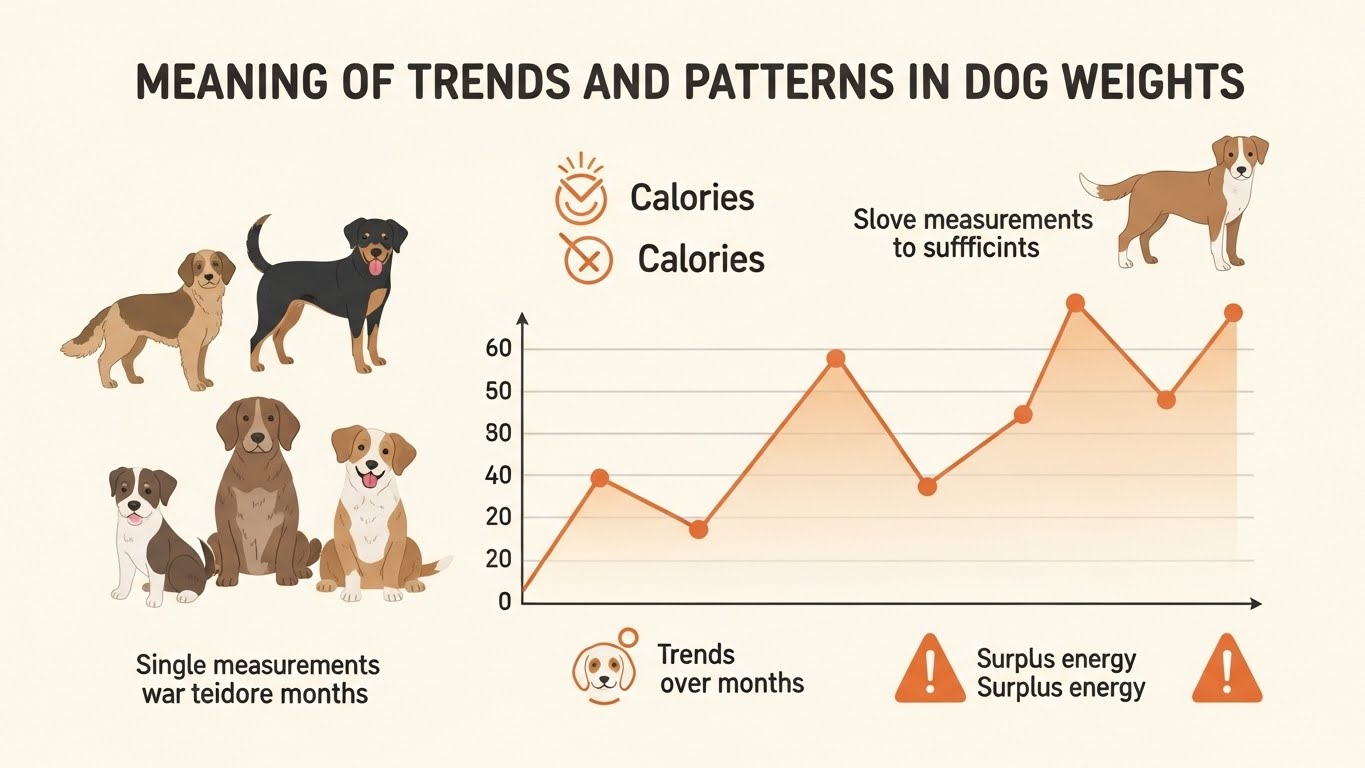
Gathering weight amounts is only helpful when you know what it is telling you. The patterns exhibited by a dog weight tracker cannot be detected from a single measurement. Slow, progressive changes over multiple months indicate surplus energy in the form of calories relative to activity levels.
I realised this by observing the increasing weight of my older, inactive dog and reducing his intake before he became obese. Weight gain within a few days or a week may be due to fluid retention from heart or kidney complications, not weight gain. This should be addressed by a vet immediately.
A slow weight loss may indicate metabolic disease, parasites, or malabsorption despite regular feeding. Weight loss is of particular concern. Changes of a pound or two in medium to large dogs are natural and, in most cases, are related to gastrointestinal issues in small dogs. The tracker helps you distinguish normal variation from trends that are significant and require investigation.
Monitoring Puppies in Stages of Growth
The use of puppy weight is not the same as that used with adults - you are not keeping the weight, you are making sure that the dog is growing accordingly. Growth varies widely across breeds, and tracking your puppy will help ensure it is growing at a normal rate. To stay informed about puppy weights, I weigh them weekly and compare their measurements against breed-specific growth charts to ensure they are on the appropriate curve.
It is essential that puppies' weight increase steadily, though not necessarily at a constant rate. Small breeds mature fast and attain adulthood after eight to twelve months. Large breeds often take longer to mature, sometimes up to 18 months. It can take up to two years for giant breeds. An example of a dog weight tracker is a device that plots a puppy's weight versus expected weight and can detect issues early.
Slow growth may be caused by poor nutrition or health complications. This can overgrow, particularly in large breeds, and overwork developing joints, leading to increased orthopaedic disease. Most veterinarians recommend restricted growth for large-breed puppies rather than maximising growth rate.
Dogs on Special Diets: Tracking Their Weight
Dogs with health issues that require a regulated diet benefit from strict weight management. I have handled diabetic dogs, emphasising that weight changes can indicate whether the dog was appropriately managed for glucose. Prescription diets of dogs with kidney disease, allergies, or gastrointestinal malfunctions require observation to maintain proper weight in the diet.
Tracking is an essential part of weight loss diets - unless you know your strategy is effective, it is impossible to correct yourself. My experience with overweight dogs taught me that what works for one dog may not necessarily apply to another, even of the same breed. A dog weight tracker reflects the healthy range of body weight loss of one to two per cent in a week.
Excessive loss needs to be slowed, and achieving zero loss after several weeks indicates an adjustment to the intervention. Tracking is also valuable for performance dogs and working breeds to ensure that their strenuous activity does not lead to unhealthy weight loss.
Weight Data When Visiting the Veterinarian
Vet appointment-based weight-tracking data would help turn ambiguous data into actionable medical data. Rather than telling someone you think they've put on some weight, you can present a graph that shows they've gained 5 pounds in 3 months. I have learned that veterinarians value this data, as it enables effective diagnostic and treatment decisions.
The suspected conditions can be confirmed or ruled out based on weight trends. Loss of weight whilst carrying an increased appetite indicates diabetes or hyperthyroidism, and weight gain with a reduced appetite suggests hypothyroidism. The tracker information allows the vet to determine the effectiveness of current treatments.
Since you started giving your dog thyroid medication three months ago, the trend in weight will indicate whether the dosing is adequate. Some veterinarians are now requesting that clients monitor weight between visits, even though it provides little additional value. This is even easier with digital trackers, which can email or share information with me; I can provide my vet with my tracking app, and she can view real-time updates.
Taking Weight Plus Body Condition Scores
Numerical weights do not fully capture the picture because they fail to distinguish between muscle and fat. This is why the most convenient dog weight trackers would include space to score body condition and record weight data.
A dog may be at a consistent weight, with a loss of muscle and a gain of fat that will not be reflected on the scale but will be reflected in body condition scoring. I also learned to evaluate body condition by feeling my dogs' ribs, abdominal tuck, and waist definition. Recording these observations alongside weight entry provides a more complete picture.
A dog that is no longer losing lean body mass due to poor protein intake or chronic disease will have a stable weight, but the body condition score will decrease to 4. On the other hand, a score of 5 to 6 indicates a stable weight, with fat formation, although there is no change on the scale. Measuring both indicators simultaneously will also give you and your veterinarian a clearer understanding of your dog's physical condition.
Setting Goals and Alerts
An efficient dog weight-loss monitor must include goal-setting features that keep you on track with your targets. When your dog needs to lose 10 pounds, you can set it as a goal, and the tracker can calculate the expected timeline and indicate progress toward the objective. Goal features help me keep my dogs at their optimal weights, and I set upper and lower limits.
When weight approaches these limits, I start feeding or exercising before the situation escalates. Most apps have alert capabilities that notify you when you are above or below a specific weight. This is particularly useful when a dog has a health condition that makes its weight critical.
You can be reminded when it's time for scheduled weigh-ins, which can help keep you on schedule. For puppies, you can set objectives based on expected growth curves to alert you when growth deviates from the standard curves. Goal tracking will make passive data collection an active health management.
The Top Tracking Pitfalls
With the best intentions, individuals also make foreseeable mistakes when using a dog weight tracker. The most significant error is unvarying time - we do it now and now, and before a meal now, and after a meal now, now, now. Such discrepancies lead to nonsense data as you are measuring different states.
I previously overlooked that I used different scales across weigh-ins, which introduced variability from differences in scale calibration rather than from weight change. The other error is tracking too often. Weekly or biweekly tracking would detect important patterns that weekly or biweekly weigh-ins would not.
On the other hand, some people scale the scales every day and lose their heads over natural changes. Failure to capture context is an opportunity cost; for example, knowing that your dog has diarrhoea or is on a new medication clarifies why a mysterious event does not explain weight changes. Lastly, gathering information without reviewing it is a waste of time. I review my tracking graphs monthly to identify patterns.
Benefits of Consistent Tracking in the Long Term
Dog weight tracking is a fundamental value realised over years, not weeks. Having followed up on my current dog after five years, I have an incredibly detailed health record of how his weight has responded to different life phases, seasonal changes in activity, and health incidents. The information we had at the time of his surgery enabled us to predict the trajectory of his weight loss and recovery rebound based on historical trends.
By keeping records over time, you know the normal tendencies of your own dog, whether they always put on a pound in the cold season when they are more active or not. Knowledge of these trends will help avoid unnecessary concern about natural variability.
The data is also helpful if you need a specialist or an emergency vet who is unfamiliar with your dog. You can provide an extensive weight history that may be diagnostic. Above all, decades of records indicate that you prioritise your dog's health and typically identify issues at the earliest, most manageable stages.
Frequently Asked Questions
How often should I weigh my dog?
For puppies or dogs on a weight-management plan, weigh weekly. For healthy adults, once a month is sufficient. For older dogs, weigh every two weeks. Always weigh at the same time of day, preferably in the morning before feeding, to ensure consistency.
What is the best type of dog weight tracker?
The best tracker is the one you will use consistently. Options include dedicated notebooks, spreadsheet software like Excel or Google Sheets, smartphone apps with reminders and photo tracking, or smart scales with automatic data integration. Choose based on your preference and technical comfort level.
Should I track body condition score along with weight?
Yes, absolutely. Numerical weight alone does not distinguish between muscle and fat. A dog may maintain consistent weight while losing muscle and gaining fat. Recording body condition scores alongside weight provides a more complete picture of your dog's physical health and composition.
Ready to Start Tracking Your Dog's Weight?
Use our comprehensive dog weight calculator to establish baseline measurements and track your pet's health journey.
Try Our Calculators