Dog Activity Calculator: Your Pet's Fitness Guide
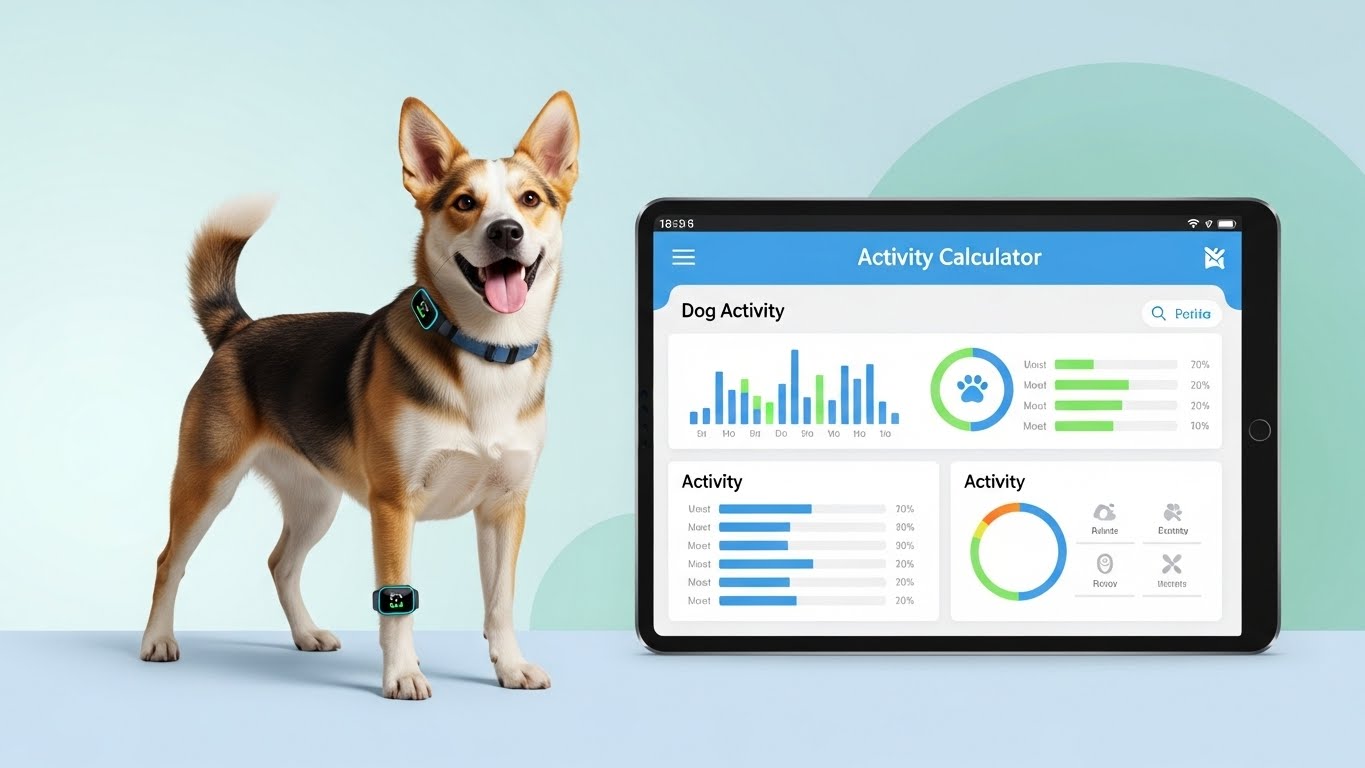
A dog activity calculator is a helpful device that helps make decisions, resulting in the most appropriate amount of exercise for your dog. I have been professionally involved with dogs for more than 15 years, and I often hear this question: "Should my dog have more walks?"
These calculators consider factors such as the dog's breed, age, and health, and provide recommendations tailored to the dog's needs. Instead of relying on a hunch that your Labrador requires 30 minutes or two hours of exercise, these tools provide evidence-based guidance that removes the guesswork.
Why Exercise Needs Differ for Each Dog
Each dog is unique in their exercise requirements, and what one Border Collie would be thrilled with may exhaust your Bulldog. I have witnessed numerous owners make mistakes using a one-size-fits-all approach to canine exercise and feeding, which can lead to behavioral issues or weight problems.
The degree of movement actually depends on factors such as metabolism, genetic predisposition, temperament, and even climate. A breed introduced to shepherd sheep across the strong Alps will naturally need much more stimulation than a companion breed introduced to be a lap-sitter.
Understanding these differences is essential to ensure that your dog leads a mentally and physically healthy life throughout their lifetime.
Breed-Specific Activity Requirements
The distinction is very conspicuous when it comes to breed-specific needs. High-energy breeds include Australian Shepherds, Vizslas, and Siberian Huskies, which typically require 90 to 120 minutes of strenuous physical work each day. In the meantime, French Bulldogs and Pugs, which are brachycephalic breeds, usually need to be satisfied with thirty to forty-five minutes of moderate activity because of their breathing difficulties.
I recall working with a family that brought a young Weimaraner into their home, hoping it would be a calm house pet. They soon realized that unless their energetic gray dog was well exercised, he would destroy furniture and develop nervousness.
A good dog activity calculator considers these breed traits, thereby helping owners set realistic expectations that ultimately prevent trouble before it starts. Learning about your dog's breed history helps you understand its energy levels and exercise tolerance.
Life Stage Considerations
The activity needs of puppies, adult dogs, and senior dogs change significantly throughout their lifetimes. Puppies should not be used as a benchmark for exercise, as bones and joints are still developing and can be easily damaged by over-exercising.
The general recommendation is to engage in physical activity for five minutes per month of age, twice daily. Depending on the breed, adult dogs typically require the most intensive exercise routines between 1 to 7 years of age. Senior dogs, having worked with many of them in rehabilitation centers, often require frequent shorter walks rather than long sessions.
Their joints will benefit from slower movement, and their strength will naturally be reduced. The dog activity calculator generates activity recommendations that avoid overexertion while maintaining required fitness levels at all stages—essential considerations when assessing the dog's activity level.
Factors Affecting Your Dog's Activity Level
Several key factors determine your dog's activity level, including breed and age. Weight matters crucially as an overweight dog requires a well-developed approach to exercising (which must progressively intensify without overworking the cardiovascular system or the joints).
Conditions such as hip dysplasia, cardiac disease, and arthritis significantly affect appropriateness and type of exercise. Your dog's fitness level matters: a dog that has been sedentary all its life cannot be expected to take on hiking courses immediately.
Factors such as temperature and humidity must be considered when determining the safe exercise duration for dogs with thick coats. However, individual personality plays a role, as some dogs naturally have higher or lower energy needs than breed averages. Personalized recommendations are generated by applying these variables to quality dog activity calculators.
How to Use a Dog Activity Calculator
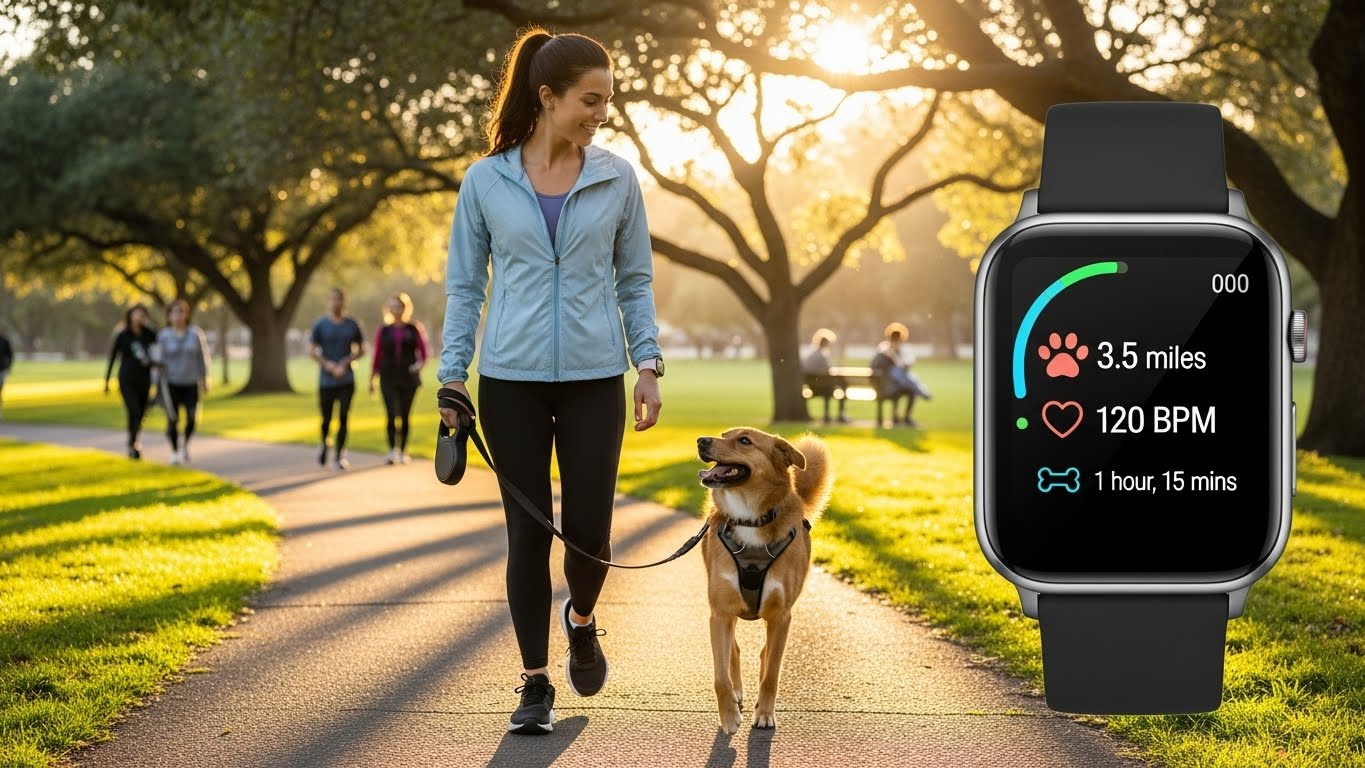
To get the right results from any dog activity calculator, you have to give truthful information regarding the nature of your pet as well as its lifestyle. Accurately weigh your dog and not by estimation, because even a little weight change can alter recommendations.
Be honest about your dog's current activity level; overestimating will lead to advice that overburdens an out-of-shape pet. Include all known health conditions because they may impose exercise limits. Most quality calculators use ranges rather than single numerical values, which I prefer, as they acknowledge individual variation.
Start with the results, then monitor behavior and energy levels in your dog after two to three weeks. If your dog still seems restless after the suggested activities, gradually increase them. If they feel fatigued or unwilling to move, scale down accordingly.
Setting Realistic Pet Goals
Setting attainable goals for daily activities will help prevent frustration while building habits. I recommend that clients start slightly below the calculator's recommendations and gradually increase activity over a few weeks. It is particularly relevant for formerly sedentary dogs whose hearts and muscles require time to adjust.
Make specific, quantifiable targets - perhaps achieving two twenty-minute walks per day at first, then progressing to longer walks. Also, review your schedule; it is pointless to aim for 90 minutes of exercise a day if your lifestyle does not allow it.
Combinations of different activity types - fetch, swimming, and interactive play - are popular among many owners. Remember that mental exercise through training, puzzles, and toys also counts toward the activity requirement and helps offset limited opportunities for physical exercise.
Signs That Your Dog Needs More or Less Exercise
Being aware of the behavioral signs that display improper activity levels allows you to adjust your strategy beyond calculator recommendations. Dogs who are not given enough exercise often exhibit destructive behaviors, such as chewing furniture, excessive barking, digging holes, or trying to escape.
They may appear hyperactive at home because they cannot calm down even during usual quiet hours. Gaining weight despite normal eating indicates poor calorie expenditure through physical activity. On the other hand, dogs that are over-exercised exhibit warning signs such as an inability to continue the activity, excessive panting that does not subside quickly, limping or joint stiffness, and loss of appetite.
I have also seen dogs that, when pushed to their limits, become cranky, just like an overtired child. Pay attention to these signs when adjusting recommendations from any dog activity calculator to ensure your dog's specific needs and abilities are addressed.
The Benefits of Tracking Your Dog's Exercise
Regularly tracking your dog's activity offers many benefits beyond keeping your dog fit. Tracking brings accountability, helping owners exercise their pets and ensure exercise remains a priority despite a busy schedule. It creates patterns that help determine whether your dog appears very energetic or especially exhausted.
Sustained activity levels and feeding records make weight management much simpler. Tracking can benefit dogs with medical issues. The more data on how a dog responds to exercise, the more the veterinarian can determine the exact level of exercise an arthritic senior can tolerate, allowing them to modify the treatment plan accordingly.
As most owners report, tracking their dogs' activity has increased their awareness of their dogs' activity levels, which brings health benefits. With a basic notebook, a smartphone app, or even a specialized pet fitness tracker, records can turn an amorphous desire into specific, quantifiable progress toward the dog's ideal health.
The Importance of Mental Stimulation
Physical activity is only one part of a dog's overall activity needs, and mental activity is equally important in ensuring the dog is well-balanced. Dogs are not only fatigued by running or fetch - brain exercises, training sessions, sniff walks, and puzzle feeders are often more tiring than physical running.
I have worked with many high-energy dogs who could not find peace after spending significant time in physical activity because their cognitive needs were not met. A few minutes of mental challenges can sometimes replace numerous minutes of physical exercise that most dogs require.
Games such as hide-and-seek, learning new commands, or using interactive toys to obtain food will activate different neural pathways, providing a satisfying form of fatigue that does not require intense physical effort. Dogs with physical limitations that cannot exercise vigorously especially benefit from this balance as they still seek stimulation. Increasingly, dog activity calculators consider mental exercise as a component of total daily activity requirements.
Choosing the Right Activity Calculator Tool
There are many dog activity calculators available, ranging from simple online questionnaires to advanced applications integrated with wearables. Free online calculators typically provide less personalized results but are generally a good starting guide. Paid apps may include features such as tracking, breed-specific databases, and customization based on ongoing responses.
Pet fitness wearables monitor activity in real time, but they also come at a cost and require technology management. Consider the accuracy level you need. Casual pet owners may be satisfied with simpler calculators, but competitors in dog sports will benefit from more precise monitoring.
Read reviews left by customers about accuracy based on their experiences with owners who have the same breed. Ask your veterinarian about recommended tools when your dog has medical conditions that require careful management of their activities. In the long run, the calculator you consistently use will be the best and make your dog better off.
Common Mistakes Dog Owners Make
After years of experience working with pet owners, I have found that common mistakes related to dog activities can often be avoided with a well-used calculator. Many people significantly underestimate dogs' needs, especially for working breeds in urban settings. Others exercise dogs irregularly; intense work on weekends and non-work days exposes them to injury and behavioral issues.
Some owners do not prioritize variety, which leads to boredom and fails to train different muscle groups. It is always unsafe to exercise dogs immediately after meals, as this can lead to bloat, which is more common in deep-chested breeds. The occurrence of heatstroke during the summer months and paw injuries from icy ground during the winter months is often due to oversight of weather conditions.
Lastly, many owners maintain the same level of activity as their dogs age, failing to accommodate their declining abilities. Being mindful of your specific dog's responses and using a comprehensive dog activity calculator helps avoid such pitfalls.
Frequently Asked Questions
How accurate are dog activity calculators?
Most calculators provide reasonable approximations based on breed averages and general conditions. Nonetheless, dogs are highly individual, so the outcomes should be used as guidelines rather than strict rules to follow, as behavior and energy vary by dog.
Can puppies use dog activity calculators?
Yes, it is necessary to ensure you select puppy-friendly calculators or age-appropriate ones. The exercise needs of a puppy are vastly different from adults, and all limits are to be followed to preserve the joints and bones during formation.
Should I consult with my vet about calculator recommendations?
Yes, especially if your dog has health complications, is significantly overweight, or is older. When personalized advice is needed in addition to calculator estimates, veterinarians may be the best source.
How often should I recalculate my dog's activity requirements?
Review again every six months or in the case of significant changes - age milestones, weight changes, diagnoses of health conditions, or lifestyle changes. The needs of dogs change, and recommendations should change with them.
Do activity calculators consider mental exercise?
Nearly all advanced calculators offer mental stimulation options, though most focus on physical activity. Mental exercise is optional and should be viewed as support for overall brain health and cognitive function.
Calculate Your Dog's Activity Needs Today
Use our dog activity calculators to determine the perfect exercise routine for your pet's health and happiness.
Try Our Calculators