Daily Dog Exercise Needs: Essential Owner Guide
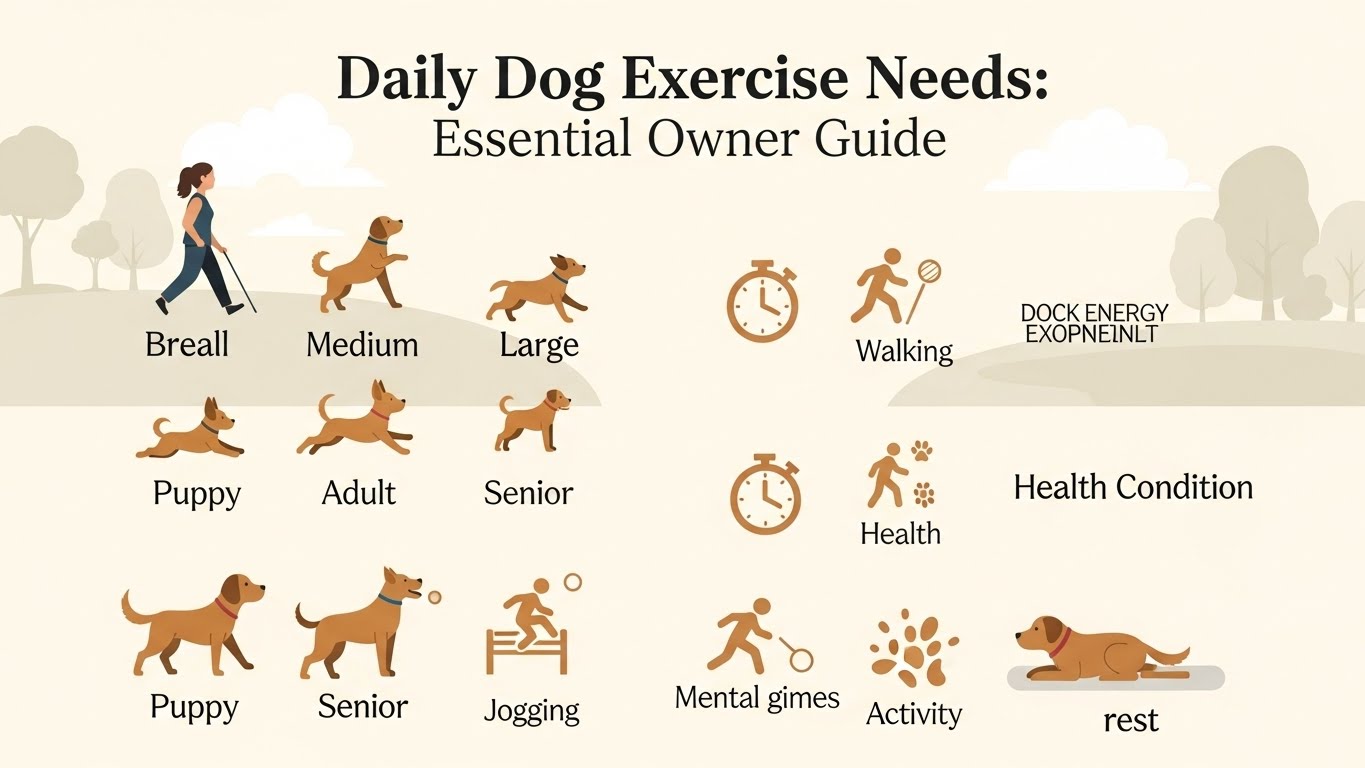
Most dog owners want the best for their pets; however, determining their daily exercise requirements is often more complex than expected. Having spent more than 10 years working with various breeds and consulting veterinary specialists, I realized that dogs' exercise needs vary dramatically.
What is ideal for your neighbor's passionate Vizsla may utterly wear out your docile Cavalier King Charles Spaniel. These differences are what make responsible dog ownership a building block, and you have to embrace them and change your strategy.
Generic recommendations that all dogs receive the same number of minutes of daily exercise simply do not work in practice. The dog's breed background, age, general health, and temperament help determine appropriate exercise levels that support their physical well-being without overexhausting or discouraging them.
The Importance of Exercise in Dogs
Dogs became active animals, whether hunting with their human masters, herding other cattle, or guarding property through constant patrols. This evolutionary history suggests that contemporary pet dogs still have some built-in requirements for normal bodily motion that are not met by home life.
Exercising regularly helps prevent obesity-related diseases such as diabetes, cardiovascular disease, and joint weakness. Exercise is healthy for the heart, and the cardiovascular system operates at its best, as long as your dog is in good health. Regular exercise supports regular digestion and helps prevent conditions such as constipation.
In addition to physical health benefits, proper exercise can have significant influence on mental health, eliminating anxiety, symptoms of depression, and stress-related behavior. Dogs deprived of adequate activities tend to develop undesirable behavioral tendencies, such as excessive barking, harmful chewing, and hyperactivity, which strain the human-animal relationship. Satisfied exercise demands make friends more relaxed and happier.
How Much Exercise Does Your Dog Need?
There is no single, general answer to this question, and this is frustrating for many well-meaning owners who want solid tips. Most healthy adult dogs require between thirty minutes and two hours of exercise per day, with general recommendations indicating this is the best starting point to practice.
There are a few aspects that help determine suitable targets for individuals. The first sign is the breed attribute: by design, competitive high-energy workers need much more exercise than those raised for companion work. Age also plays a significant role in requirements; puppies and seniors require different approaches.
A dog's current fitness level is essential; a highly sedentary dog cannot engage in vigorous exercise without risk. Medical circumstances may limit or alter the scope and duration of safe activities. Breed-based guidelines are the most viable starting point for adjusting based on your dog's individual responses; they are the best way to determine the appropriate amount of daily exercise.
Exercise Requirements of Small Breeds
Small breeds often surprise their human companions with their exercise requirements, which most can't predict from their size. Jack Russell Terriers, Miniature Pinschers, and Rat Terriers (among others) are breeds that carry a lot of energy in smaller bodies and may require 60-90 minutes a day.
But tiny breeds such as Chihuahuas, Maltese, and Pomeranians usually do well with 30 to 45 minutes of moderate exercise. The case of Yorkshire Terriers and Shih Tzus fall in between, requiring approximately 45 minutes, divided into numerous shorter sessions.
Small breeds often respond better to frequent, short workouts than to longer ones because they fatigue more quickly. Small dogs living in apartments benefit from indoor play to complement outdoor walks. Overall, requirements may be lower, but when small breeds lack exercise, behavior issues can occur, demonstrating that exercise is valuable regardless of size.
Medium and Large Breed Needs
Mid-sized breeds typically need 45-60 minutes of exercise per day, although there is significant variation within this group. Beagles, Cocker Spaniels, and Bulldogs are on the low end of the spectrum, while Boxers, Border Collies, and Dalmatians are on the higher end. Standard Poodles and Springer Spaniels are among the breeds and generally do well with an average of 60 minutes per day.
Big dogs pose some interesting challenges: Great Danes and Mastiffs can be less active than they appear, while Labrador Retrievers and German Shepherds require substantial daily exercise. This is because giant breeds typically require less intense exercise due to joint issues; half an hour to an hour of moderate exercise is usually adequate.
Understanding these differences helps owners set realistic expectations and develop routines that meet their dogs' daily exercise requirements without straining vulnerable joints.
Working and Sporting Breeds
Working breeds, such as dogs, require a high level of commitment to exercise and will require the potential owner to be honest with themselves about this. Siberian Huskies, Alaskan Malamutes, and Belgian Malinois were created to do physically demanding exercises continuously and generally require ninety minutes to two hours of exercise per day.
Sporting breeds such as Weimaraners, German Shorthaired Pointers, and Vizslas also require vigorous training to be happy. Herding dogs such as Australian Shepherds, Border Collies, and Australian Cattle Dogs have apparently limitless endurance, which can be equally daunting for the owner. These breeds do not just like running; it's essential for mental health.
The reason is that an under-exercised working breed is highly likely to experience severe behavioral issues such as anxiety, obsessive behavior, and destructive behavior, which frustrates the owner who never expected to face such strain. Future owners are advised to be very honest about how their lifestyles would fit with high-energy breeds whose exercise demands exceed their realistic ability.
Age-Based Exercise Guidelines
Puppies can lead to overuse injuries, as it may appear to have limitless energy, even as its skeletal system is developing and needs protection. The growth plates remain open until they reach physical maturity, which varies by breed: small breeds mature faster than large breeds; large breeds will take between eight and twenty-four months to mature.
Veterinarian guidelines indicate that the duration of structured exercise should not exceed five minutes per month of age, divided into sessions. Two-month-old puppies would be taken on two ten-minute walks instead of one long walk. Adult dogs typically engage in the most intensive exercise routines, but there is still some variation among healthy adults.
Older dogs often maintain enthusiasm for exercising as their physical abilities decline, and the owner should vigilantly monitor them to ensure they do not overexert themselves. Arthritic and cardiac changes indicate that elderly dogs should have shorter, more frequent exercise sessions. Regulating diet and exercise for your dog's lifespan helps safeguard its health and comfort in the long term.
Types of Exercise for Dogs
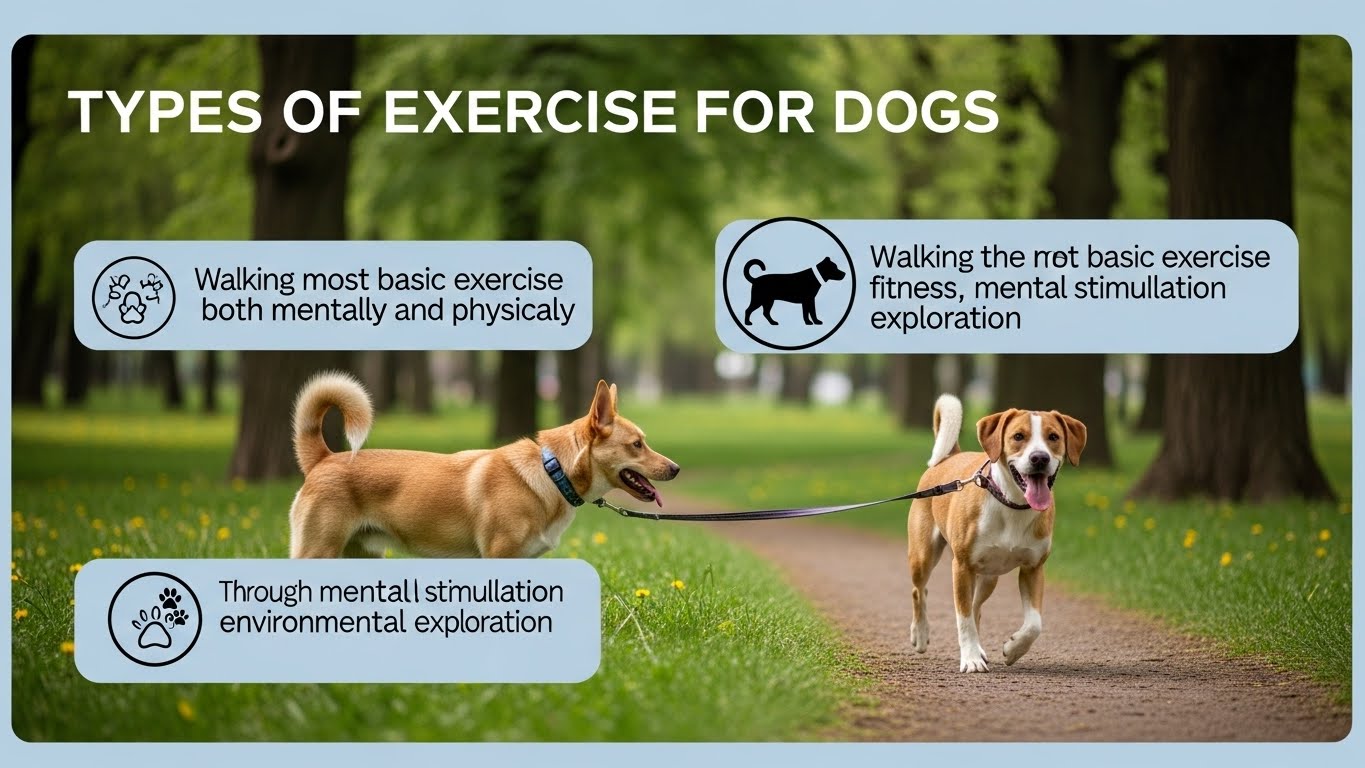
A variety of exercises helps dogs stimulate their minds while meeting various physical needs. Walking is the most basic activity and provides cardiovascular fitness, while also providing essential mental engagement in exploring the environment and smelling things.
High-energy breeds are well-suited to running/jogging, which provides an excellent aerobic workout, but dogs should be conditioned gradually. Swimming offers a concentrated dose of low-impact exercise, especially for dogs with joint issues or when it is hot. Fetch-and-retrieval games that combine exercise and mental stimulation appeal to the instinctive nature of sporting breeds.
Tug-of-war is an effective way to strengthen bonds and build teamwork when played by the rules. Hiking exercises provide dogs with uneven terrain and more time than usual neighborhood strolls. Agility training combines physical activity with mental challenges, engaging dogs in a full range of activities. Balancing weekly variations helps you address the many facets of your dog's exercise needs.
Signs of Insufficient Physical Activity
Dogs exhibit signs of behavioral inadequacy that owners should detect promptly. Destructive behavior is often used as an indicator; for example, chewing furniture, digging holes, and damaging household items are likely to reflect frustration when appropriate channels are absent.
Over-barking, especially when there appears to be no reason, often indicates that dogs need more exercise. Weight gain above a healthy level indicates higher caloric intake relative to energy expended through physical activity. Anxiety and difficulty calming down, even after extended rest periods, suggest that energy reserves have never been exhausted.
Attention-seeking behaviors that appear desperate, such as jumping, pawing, or persistent nudging, can signal unmet exercise needs. Dogs may develop obsessive-compulsive habits, such as tail-chasing, shadow-chasing, or excessive licking when play and mental stimulation are inadequate. Owners who notice these signs should adapt routines to meet dogs' daily exercise needs appropriately before behavioral issues become habitual.
When Too Much Exercise Becomes Harmful
Although under-exercising is a more pronounced issue, over-exercising poses health risks to dogs. Responsible owners should be aware that excessive exercise can cause permanent joint damage that may affect their mobility for life. Bulldogs, Pugs, and Boston Terriers are brachycephalic breeds that experience respiratory problems during vigorous exercise.
Heat exhaustion is a condition that occurs in all dogs, but it is hazardous for thick-coated dogs and those that are overworked in hot conditions. Overweight dogs who engage in intense exercise regimens are at risk of injury if intensity increases too quickly. Over-exercise would manifest as prolonged panting, despite the exercise having ceased a long time ago, resistance to walking, limping or stiffness, and excessive fatigue.
There are eager dogs that will push themselves to please their owners, even when fatigued, and human attention is critical in such cases. Rest periods between exercise sessions are essential; dogs that require longer rest periods may be overworking. The daily exercise requirement for dogs must be balanced to ensure sufficient activity without entering the harmful zone.
Establishing a Sustainable Exercise Routine
Sustainable practices become part of your daily life, and consistent workouts become a long-term goal rather than occasional efforts. Find time windows in your daily routine to set aside for regular exercise, so you don't have to constantly reschedule. Early-morning walks before work help establish a routine for you and your dog, and they also provide mental stimulation that enables them to stay calmer throughout the day.
Evening activities help dogs relax and process the day's stimulation before sleeping. Weekday routines can be supplemented by longer, more intensive weekend activities. Consider your dog's preferences: some enjoy swimming, and others prefer running. It's best to respect their choice so everyone can enjoy the exercise.
Engage family members to share the load and avoid inconsistencies, even when family schedules change. When the weather is unfavorable, backup plans, such as indoor facilities or alternative activities, allow exercise to continue. Daily dog exercise should be conducted in sustainable ways that benefit the dog and other household members, including humans.
Weather and Seasonal Modifications
Drastic weather changes necessitate adjustments to exercise that keep dogs safe while maintaining activity levels. Overheating is extremely dangerous and can be life-threatening to dogs with brachycephalic features and heavily furred breeds. Move to early-morning or evening shifts when temperatures are lower.
Pavements get hot; if they're burning your palms, they'll burn your dog's paws. Swimming is also excellent exercise during summer, as it cools the body and works the muscles. During the winter season, there are other challenges, which include ice, salt, and extreme cold that influence outdoor exercise.
In winter, short-coated animals may require additional clothing. Snow offers excellent exercise opportunities for several breeds that tolerate cold. Indoor exercise options are also necessary during extreme weather, including training sessions, puzzle toys, and indoor fetch. These adaptations are essential to make exercise possible when the weather does not allow safe outdoor activity. Seasonal awareness helps maintain the dogs' exercise requirements, keeping them safe and consistent throughout the year despite weather challenges.
Frequently Asked Questions
Can my dog's exercise be divided into a few sessions a day?
Absolutely. Several shorter walks are more effective than one long walk, especially for puppies, older adults, and small dogs, who may not tolerate a long walk.
How would I know whether my dog is getting enough exercise?
Healthy-weight dogs that are well-exercised will never be destructive, as they move between activities to rest without disturbing people, and at the end of exercise, they rest properly.
Do I need to exercise my dog daily?
Daily exercise is preferable for most dogs, although rest days every once in a while, especially after vigorous exercise, do not cause problems in healthy grown-up dogs, even when they are given physical rest.
What is the best workout for my overweight dog?
Swimming is a great low-impact exercise that reduces joint stress for overweight dogs and helps them gain cardiovascular benefits. A gradual increase in walking distance is also beneficial.
Is mental exercise a substitute for physical activity?
Mental activity does not replace physical activity; it only supplements it. Both support overall health, and most dogs require adequate levels of both to be in optimal condition.
Plan Your Dog's Exercise Routine Today
Use our pet calculators to track your dog's health and ensure they're getting the right amount of exercise for their needs.
Try Our Calculators